North Korean Ballistic Missile Use in Ukraine Conflict Raises Concerns for Global Financial Stability
The deployment of North Korean missiles by Russia in Ukraine threatens to impact household budgets, currency markets, and investor confidence worldwide.
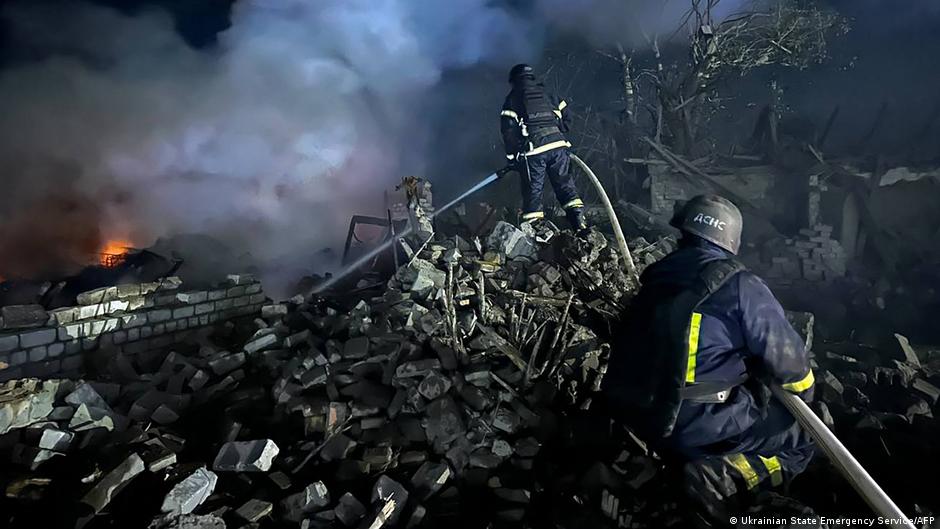
Recent escalations in the conflict between Russia and Ukraine have taken a troubling turn with Russia reportedly using a ballistic missile supplied from North Korea. The missile struck the suburban village of Radushne near Kryvyi Rih, resulting in the tragic deaths of a family of six, including children.
Impact on Consumer Confidence and Financial Markets
Ukraine's President Volodymyr Zelensky disclosed that this was the first use in a long time of North Korean ballistic technology by Russian forces. He called on international allies not only to condemn the strike but to provide enhanced missile defense systems and increase pressure on Moscow to halt such attacks.
"At the moment, it’s North Korean ballistic technology," Zelensky stated, emphasizing the gravity of this new development in the conflict.
For everyday consumers and investors, this development introduces additional uncertainty into global markets. The increased military cooperation between Russia and North Korea, formalized in a 2024 comprehensive strategic partnership, risks destabilizing not only security but also economic stability.
Financial markets often react sharply to geopolitical tensions, with currency values and commodity prices—especially energy—being particularly vulnerable. The threat of prolonged conflict and expanded missile use can drive volatility in exchange rates, affecting the purchasing power of households worldwide. Savings held in vulnerable currencies may lose value as investors seek safer assets.
Furthermore, the conflict’s impact on Ukraine’s infrastructure and population has direct consequences on the regional economy, disrupting supply chains and inflating costs. For countries reliant on imports from the region, consumer prices may rise, squeezing household budgets.
The threat of missile attacks also increases the urgency for enhanced defense spending among allied nations, potentially leading to higher taxes or reallocation of government resources. Such fiscal pressures can reduce disposable income and dampen consumer spending, with ripple effects through global economies.
Investors, particularly those with exposure to emerging markets or geopolitical hotspots, face increased risk. Defensive investment strategies and diversification become critical considerations to protect portfolios against sudden shocks linked to escalating conflicts.
In addition, the suspected transfer of missile launch systems from North Korea to Russia signals a deepening alliance that could alter power balances in Asia and Europe. This raises concerns about longer-term economic sanctions, trade restrictions, and currency disruptions that could further complicate the financial landscape for households and investors alike.
As Zelensky noted earlier this year, Russia’s efforts to recruit thousands of North Korean soldiers and acquire military technology represent a significant escalation. This cooperation not only threatens regional security but also has far-reaching implications for currency stability and consumer confidence across multiple continents.
In summary, the intersection of military developments and economic consequences underscores the complex challenges faced by households and investors. Vigilance in monitoring geopolitical tensions, coupled with prudent financial planning, remains essential in navigating the uncertainties ahead.