Trump Seeks November Meeting with Kim Jong Un Amid Renewed North Korea Nuclear Talks
US President Donald Trump aims to meet North Korean leader Kim Jong Un at APEC summit to restart nuclear negotiations.
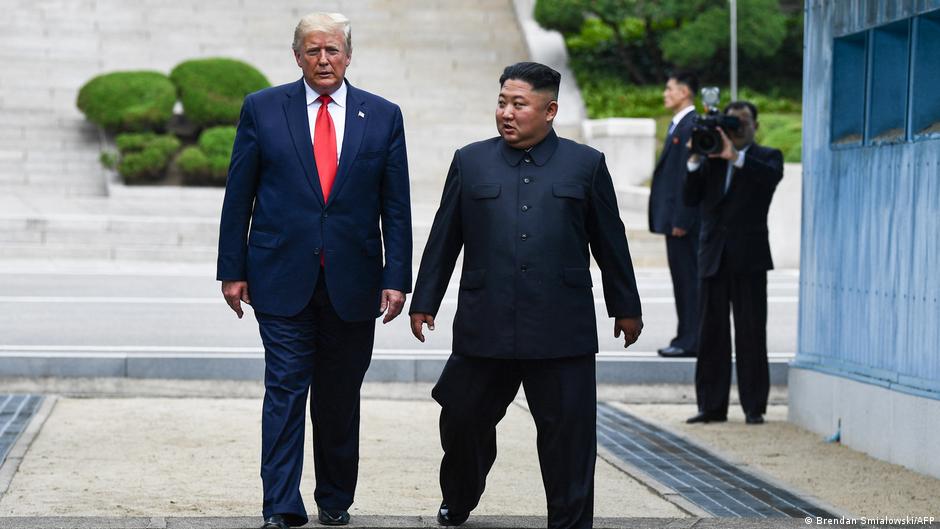
US President Donald Trump is planning to meet with North Korean leader Kim Jong Un this fall in an effort to revive stalled nuclear talks, according to reports. The proposed meeting is expected to take place during the Asia-Pacific Economic Cooperation (APEC) summit in November, held in Shenzhen, China.
This development signals a potential thaw in diplomatic relations, with Trump previously announcing a reduction in the scale of US-South Korea military exercises and extending an offer for peace talks to North Korea.
Implications for Global Markets and Household Economies
The prospect of renewed engagement between Washington and Pyongyang has broader implications beyond geopolitics. Stability on the Korean Peninsula influences global risk sentiment, currency valuations, and commodity prices, which directly impact household budgets and savings worldwide.
“Given North Korea’s expanding nuclear arsenal, the geopolitical risks remain significant, but a diplomatic breakthrough could ease regional tensions and stabilize markets,” says Jeffrey Lewis, a nuclear expert at Stanford University.
North Korea has reportedly increased its nuclear capabilities significantly since previous talks stalled, potentially possessing several hundred nuclear warheads. This escalation contributes to investor uncertainty, often triggering volatility in currency markets, particularly in Asia-Pacific currencies, and prompting shifts in safe-haven assets like gold and the US dollar.
For everyday consumers, such market volatility can affect the cost of imported goods and fuel, influencing inflation rates and household spending power. Renewed negotiations and reduced military tensions might ease these pressures by lowering the perceived risk, potentially stabilizing currency fluctuations and commodity prices.
Furthermore, for individual investors, developments in geopolitical relations can impact portfolio strategies. Markets tend to respond positively to diplomatic progress, which can bolster stock markets and reduce demand for traditionally safer investments. Conversely, heightened tensions often drive investors toward conservative assets.
Trump and Kim Jong Un have met three times during Trump’s presidency, but negotiations had previously stalled with no significant dismantling of North Korea's nuclear program. The renewed willingness to engage may influence global economic confidence, which in turn affects savings and investment decisions for households worldwide.
As the APEC summit approaches, financial advisors and consumers should monitor developments closely. A successful meeting could mark a turning point, reducing geopolitical risk premiums embedded in currencies and markets, and potentially benefiting everyday financial stability.