US Strikes on Iran Raise Oil Price Risks, Impacting Household Budgets and Savings
US strikes on Iran near the Strait of Hormuz raise the risk of higher oil prices, impacting household budgets, savings, and currency stability worldwide.

US strikes on Iran near the Strait of Hormuz raise the risk of higher oil prices, impacting household budgets, savings, and currency stability worldwide.

US Congress approved $70 billion for immigration enforcement, raising concerns about effects on household budgets, currency, and consumer finances.

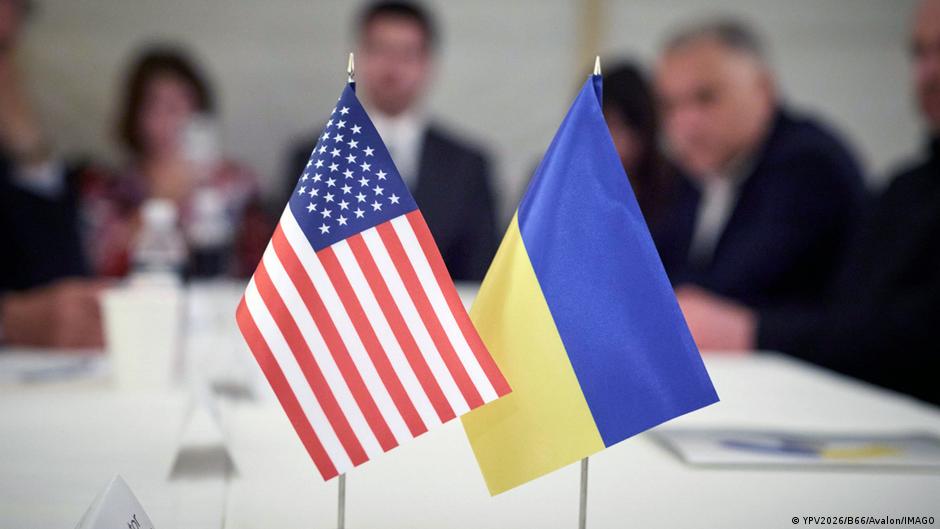
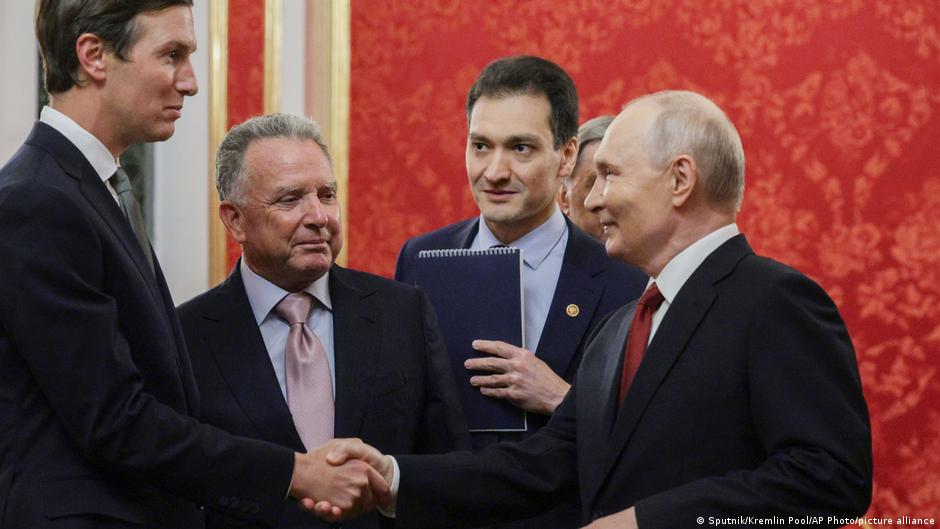
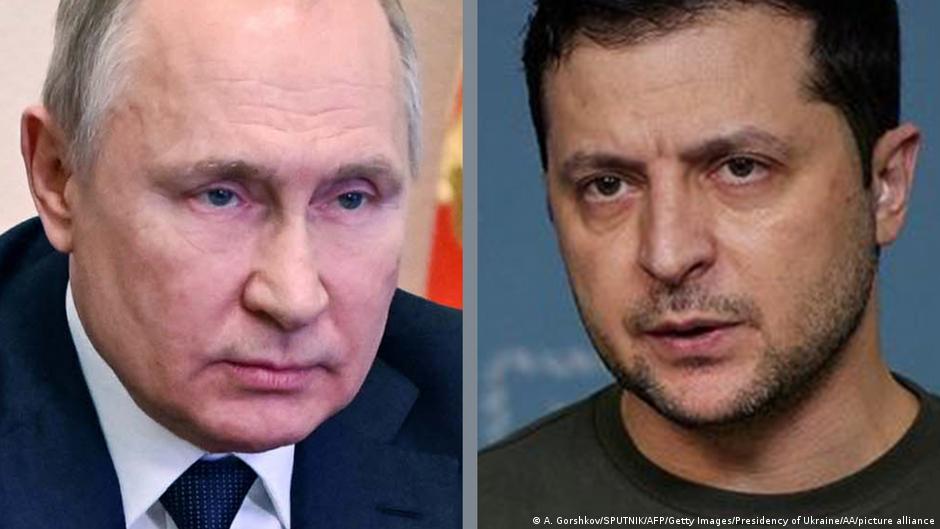
President Zelensky's positive talks with US envoys highlight ongoing efforts to end the Ukraine war, affecting household budgets and financial markets worldwide.

A US federal judge canceled the Trump administration's $100,000 fee on H-1B visas, reducing financial pressure on tech firms and skilled foreign workers.

The Israel-Iran conflict is affecting global markets, household budgets, and investments by driving volatility in currencies and energy costs, impacting consumers worldwide.

The US has expanded sanctions targeting Cuban leaders, worsening the island’s economic crisis and directly impacting household budgets and access to essential goods.
The US House approved sanctions on Russia and aid to Ukraine, with potential impacts on household budgets, currencies, and investment markets worldwide.

The US House limits Trump's Iran war powers, signaling shifts that could ease energy price pressures and affect currency markets, impacting household budgets and investors.

A US-mediated ceasefire between Israel and Lebanon aims to reduce conflict-driven economic strain on households, currencies, and investors in the region.

Escalating conflict in the Middle East threatens currency stability and market confidence, affecting household budgets and everyday investors worldwide.

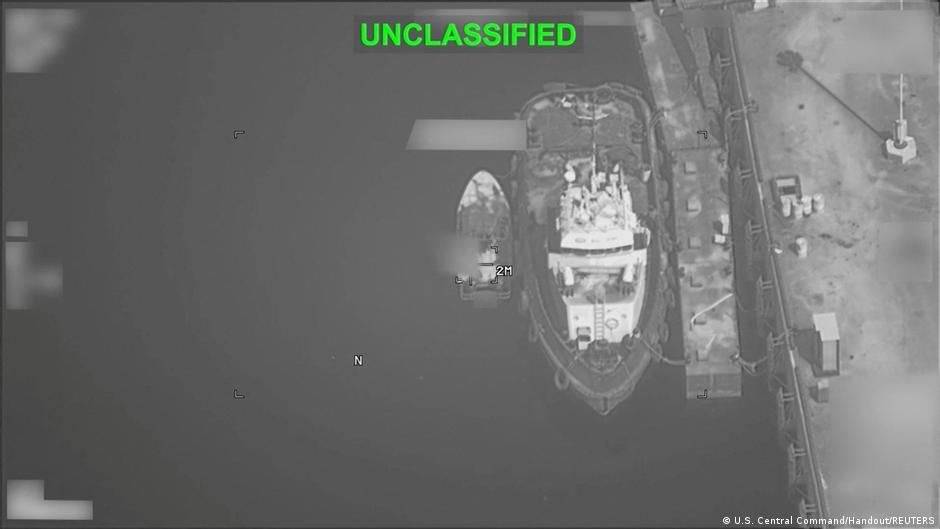
The US missile strike on a ship bound for Iran disrupts trade in the Strait of Hormuz, risking higher oil prices and impacting household budgets and savings globally.

US-Iran talks hinge on nuclear restrictions, with potential impacts on currencies, inflation, and household budgets amid ongoing uncertainty.

US military strikes on Iran escalate geopolitical tensions, risking volatility in markets and currencies that affect household budgets, savings, and consumer costs globally.

Trump’s call to destroy Iran’s enriched uranium raises geopolitical risks that could affect currencies, inflation, and household budgets worldwide.

The US plans to deploy 5,000 additional troops to Poland amidst military realignments, impacting defense budgets, currency stability, and potentially household finances globally.

The US indictment of Raul Castro over a 1996 incident signals heightened tensions with Cuba, affecting remittances, currencies, and household budgets on both sides.

The US Senate advances a resolution to restrict military actions against Iran, with significant impacts on household budgets, currency markets, and consumer investments.

US postpones planned strike on Iran after Gulf leaders’ intervention, easing pressure on global energy prices and currencies, with implications for household budgets and investors.

EU foreign policy chief warns Russia, China, and the US seek to weaken the bloc, risking economic stability that affects household budgets, savings, and investments.

Donald Trump’s discussions with China over Jimmy Lai’s harsh prison sentence highlight ongoing US-China tensions impacting currency stability and global markets.

Palm Beach International Airport in Florida will be renamed after President Trump, changing its code to DJT and impacting local tourism, businesses, and currency collectors.

China's renewed interest in purchasing U.S. oil and soybeans could influence commodity prices and impact American household budgets and markets.

Trump's Beijing meeting with Xi Jinping signals potential easing of trade tensions and energy conflicts, with important effects on consumer prices and currency stability.

Ukraine’s plan to supply NATO with long-range drones and missiles could reshape defense dynamics and affect household finances, currency stability, and consumer investment decisions in Europe.

The escape of Poland’s ex-justice minister to the US amid corruption charges highlights risks to currency stability and household financial confidence across Europe.

The brief ceasefire between Russia and Ukraine involves troop rotations and ongoing skirmishes, impacting regional economies, currency stability, and household financial security.

The US Defense Department has released 161 declassified UFO files, inviting public and expert analysis amid ongoing questions about unidentified aerial phenomena.

The potential redeployment of 5,000 US troops from Germany to Poland could influence local economies, household finances, currencies, and investment dynamics in Europe.

The US postpones planned 25% tariffs on EU cars until July 4, easing potential price increases for American consumers and providing time for trade negotiations.

Iran's new vessel declaration rules for the Strait of Hormuz may increase shipping costs, impacting global fuel prices and household budgets worldwide.

US-Iran talks nearing a deal could ease sanctions and lower energy prices, impacting household budgets, savings, and investment markets globally.

Germany is accelerating its long-range missile development after the US declined Tomahawk deployment, affecting European security, defense budgets, and investors’ outlook.

Iran’s missile and drone strikes on the UAE escalate regional tensions, threatening global energy supplies and raising costs that impact household budgets and investors.

Iran's proposed 14-point peace plan could influence global oil prices and market volatility, with direct effects on household budgets, savings, and everyday investors worldwide.

The US plans major cuts to its troops in Germany, affecting local economies, currency markets, and potentially household finances and investments.

US plans to raise auto tariffs on EU imports threaten Germany’s economy, potentially triggering a 2026 recession with significant impacts on household budgets and consumer prices.

The US plans to withdraw 5,000 troops from Germany, a move that could impact euro-dollar exchange rates, local economies, and household finances.

Oil prices surged over 7% amid US-Iran tensions, pressuring household budgets, savings, and currencies worldwide due to potential long-term supply disruptions.

The US issues special passports featuring President Trump for the 250th independence anniversary, affecting personal documents, currency, and collectors.

The resignation of the US acting envoy in Ukraine amid diplomatic tensions raises risks of aid disruption, impacting currencies, inflation, and investment stability for households and investors.

King Charles III’s US visit amid UK-US tensions spotlights rising energy costs and currency risks affecting household budgets and everyday investors.

US halts envoy travel to Pakistan for Iran talks, shifting to phone diplomacy amid strategic confidence, impacting energy markets and household budgets.

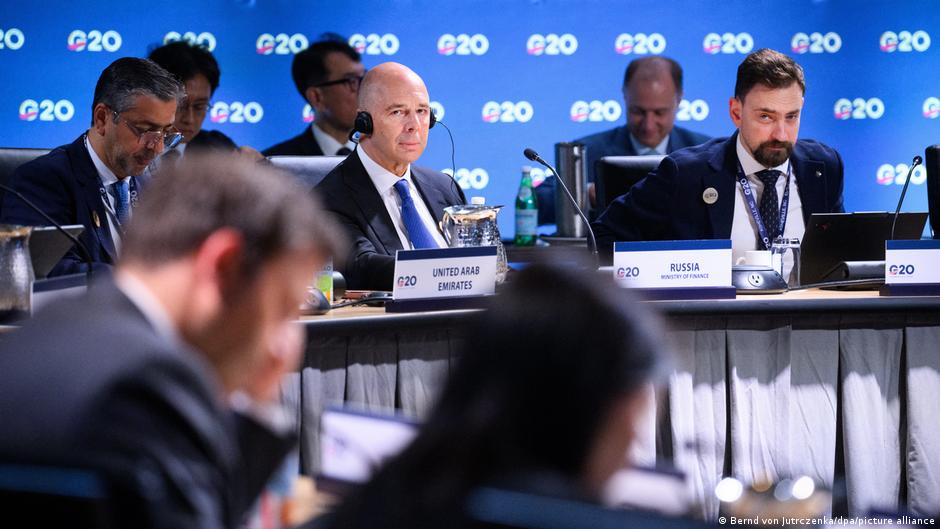
Trump sees Putin’s possible G20 attendance as "useful," but uncertainty over Russia’s participation raises concerns about market volatility affecting households and investors.

The extension of the Lebanon-Israel ceasefire could help stabilize regional currencies and ease financial pressures on households, affecting consumer confidence and investments.

Turkey is pushing to restart Russia-Ukraine peace talks, a move that could ease inflation and market volatility impacting household budgets and investors globally.

US Labor Secretary Lori Chavez-DeRemer resigns amid misconduct allegations, highlighting cabinet instability that may impact employment policies and household finances.

US seizure of Iranian cargo ship near Strait of Hormuz raises risks of rising energy prices and inflation, impacting household budgets and everyday investors worldwide.

Trump rejects NATO assistance in Strait of Hormuz amid rising tensions, risking higher energy prices and market volatility affecting consumers and investors.

Pope Leo XIV condemns exploitation and war, urging peace that affects global economies, household budgets, and everyday investors amid rising geopolitical tensions.

The US Senate rejected a resolution to end the war with Iran, maintaining broad presidential war powers and raising concerns over impacts on household budgets, currencies, and investors.