Iran's Missile Stockpile Recovery and Its Impact on Global Energy Markets and Household Finances
Iran has replenished most of its missile arsenal with potential Russian support, affecting energy supply routes and consumer fuel costs worldwide.
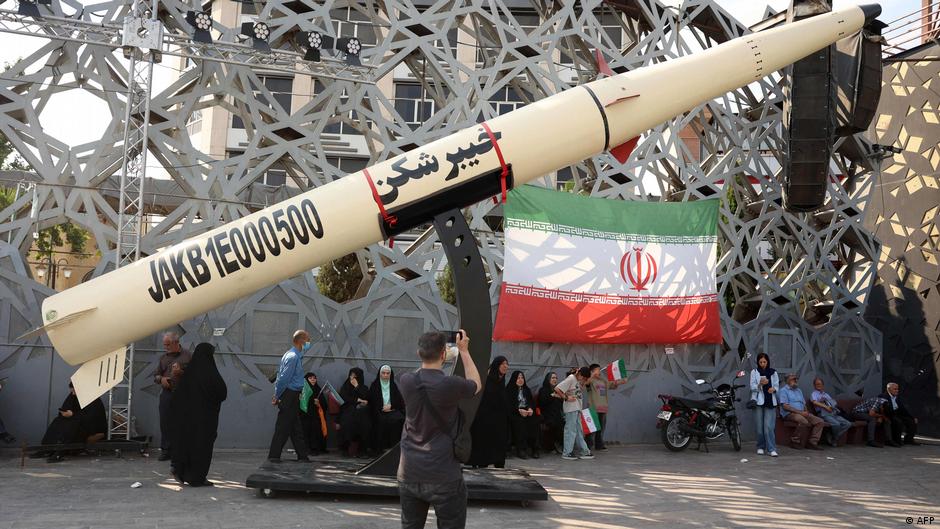
Recent intelligence reports indicate that Iran has successfully restored about three-quarters of its missile stockpile, potentially with assistance from Russia. This development comes despite ongoing military tensions and has significant implications for global energy markets and, by extension, household budgets and everyday investors.
Geopolitical Developments and Energy Supply Risks
According to sources cited by Bloomberg, Iran utilized an eight-week ceasefire with the United States to rebuild its missile capabilities and integrate new weaponry, including missiles likely produced in Russia within the past year. This replenishment ensures Iran retains the capacity to deliver a robust counterstrike should hostilities resume.
The renewed missile strength coincides with Iran’s stance on the strategic Strait of Hormuz, a critical chokepoint through which a substantial portion of the world's oil supply passes. U.S. President Donald Trump has linked a prospective peace agreement with Iran to the reopening of the Strait, signaling relief for global fuel markets currently strained by supply disruptions.
However, Iranian officials have yet to confirm a timeline for any peace deal, maintaining uncertainty that influences oil prices and fuel affordability worldwide.
"Iran’s ability to maintain and rebuild its arsenal amid conflict complicates the geopolitical landscape, directly impacting global energy security and household fuel costs," says Kelly Greco, senior fellow at the Stimson Center.
Energy markets have reacted sensitively to these developments. Prolonged tensions in the Middle East often drive up crude oil prices, leading to higher gasoline and heating fuel costs for consumers globally. In many countries, this translates to increased expenses for transportation and home energy, tightening household budgets.
Consequences for Consumers and Investors
For everyday consumers, the geopolitical friction in the region means more than distant conflict—it directly affects the cost of living. Elevated fuel prices can reduce disposable income, forcing households to adjust spending patterns, often cutting back on non-essential purchases or dipping into savings.
Moreover, investors with exposure to energy markets or currencies linked to oil-producing nations may face increased volatility. Currency fluctuations and commodity price swings can impact investment portfolios, retirement savings, and even the performance of mutual funds focused on energy sectors.
Financial advisors recommend diversifying investments to mitigate risks associated with geopolitical instability and monitoring energy market trends to anticipate shifts that may affect personal finances.
In summary, Iran’s missile replenishment and the ongoing uncertainty surrounding peace negotiations contribute to a fragile energy supply environment. This fragility trickles down to consumers worldwide, influencing fuel prices, household budgets, and investment landscapes.