Austria Plans to Extend Mandatory Military Service, Impacting Household Budgets and Savings
Austria proposes increasing mandatory military service to nine months with higher pay and new training, influencing personal finances and government spending.
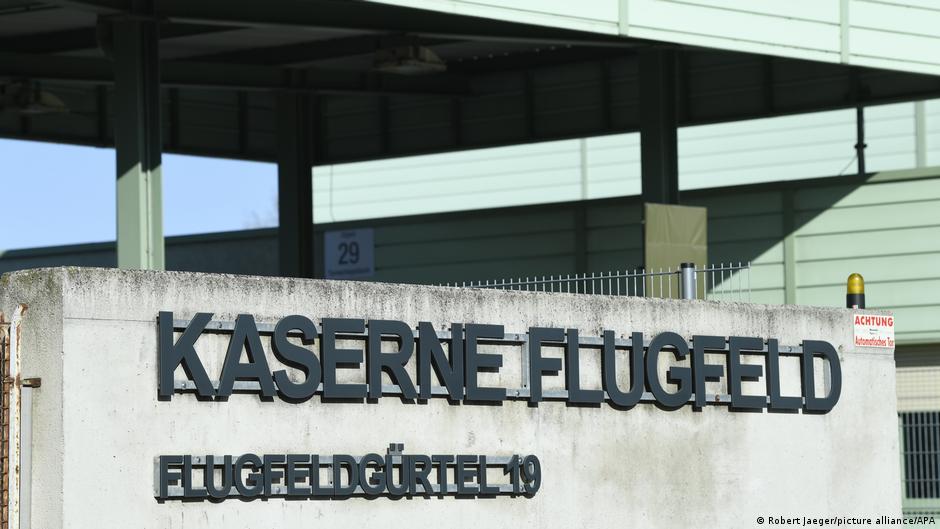
Austria's government has announced a proposal to extend the duration of mandatory military service from six to nine months. This reform, aimed at strengthening national defense in response to evolving security threats, also includes enhanced pay and benefits for conscripts. The changes are expected to have several implications for household budgets, savings, and the broader economy.
Details of the Military Service Extension
The governing coalition, consisting of the conservative Austrian People's Party (ÖVP), the Social Democratic Party (SPÖ), and the liberal Neos party, has agreed on amendments to the military service law. These amendments will require conscripts to complete nine months of active service, up from the current six months, followed by compulsory field training exercises that can be scheduled anytime within the subsequent ten years.
To make military service more attractive, the government plans to increase monthly pay for conscripts to approximately 1,000 euros, alongside introducing paid leave days during service. Additionally, the reform allows civil service volunteers, who currently serve nine months, to extend their service voluntarily by two months from 2027, with mandatory extensions starting in 2028 if recruitment targets are not met.
"It is not enough to simply acquire new equipment if our soldiers do not have sufficient practical experience," said Chancellor Christian Schallenberg, highlighting the need for comprehensive training amid heightened security risks.
Financial Implications for Households and Consumers
While the increased pay for conscripts may alleviate some financial strain on individual soldiers, the extended service period means young Austrians will spend more time away from the labor market, potentially delaying their personal income growth and savings accumulation.
Families might also face indirect economic impacts. Young adults serving longer in the military may contribute less to household incomes or require additional support, especially if they were previously working or studying. This could affect family budgets, altering spending patterns and savings behavior.
On a macroeconomic level, the government's increased military expenditure—including higher conscript pay and expanded training programs—will likely necessitate adjustments in public funding allocations. Depending on the government's fiscal strategy, this might influence taxation or public services, thereby affecting household disposable incomes.
Currency and Investment Considerations
Increased defense spending could influence Austria's sovereign debt and budget outlook, factors closely watched by currency markets and investors. While Austria remains a member of the Eurozone, shifts in government spending priorities can impact perceptions of economic stability and creditworthiness.
Everyday investors, particularly those holding Austrian government bonds or related financial instruments, should monitor these developments for potential changes in yield and credit risk. Additionally, sectors linked to defense procurement may see altered investment dynamics as the government commits to enhanced military capabilities.
Broader Context and Security Motivations
The reform is motivated by heightened security concerns stemming from the war in Ukraine, increased cyber and hybrid threats, and risks to critical infrastructure. Austria, maintaining a position of military neutrality and not belonging to NATO, sees improved soldier preparedness and extended service as essential to national defense.
Parliamentary approval is required, including a two-thirds majority, which the coalition seeks by engaging other parties like the Freedom Party (FPÖ) and the Greens. Should the reform pass, it would take effect on January 1, 2027.
This shift marks a significant change in Austria's defense policy, with tangible effects on the country's workforce, public finances, and individual households.