US Senate Confirms Jay Clayton as National Intelligence Director Amid Political Divisions
Jay Clayton's appointment to lead US intelligence raises questions about impact on economic policies and market stability.
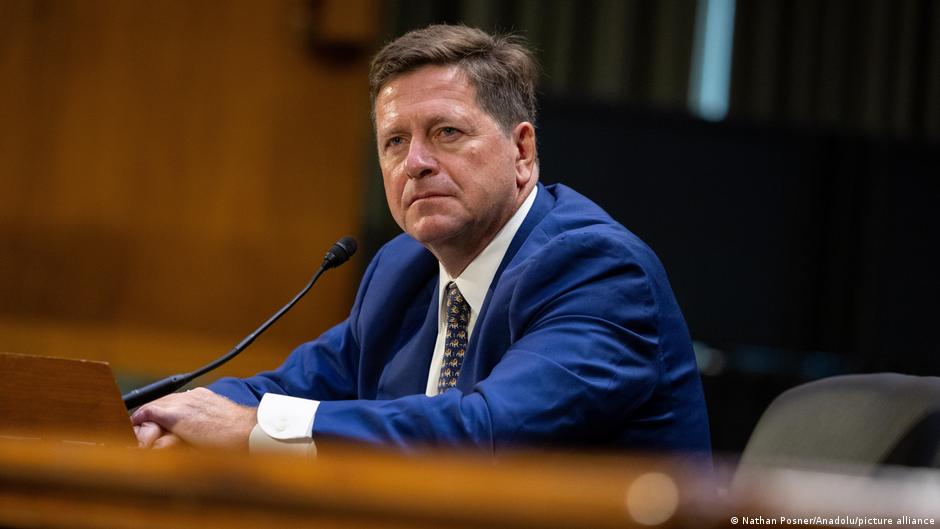
The US Senate has confirmed Jay Clayton, former Southern District of New York prosecutor, as the new Director of National Intelligence (DNI) in a closely contested vote. The 51-47 decision, with all Democrats opposing, highlights the political tensions surrounding the appointment and its potential ripple effects on economic and financial sectors.
Implications for Household Budgets, Savings, and Investors
While Jay Clayton’s background is primarily legal and regulatory, his new role overseeing 18 US intelligence agencies including the CIA, NSA, and Defense Intelligence Agency, indirectly affects the stability of financial markets and, by extension, everyday Americans’ household finances.
Clayton’s previous tenure as chairman of the Securities and Exchange Commission (SEC) involved regulating financial markets, which form the backbone of many personal investment portfolios and retirement savings. His expertise in securities law could influence future intelligence assessments related to economic threats, cybersecurity breaches, and market manipulation—issues with tangible consequences for investors.
“The intelligence community’s stability under Clayton’s leadership will be vital to preserving confidence in US financial systems during volatile times,” noted market analysts.
In addition, intelligence assessments play a crucial role in national security decisions that can impact currency valuations and foreign investment flows. For American households, shifts in these areas can affect everything from inflation rates to employment prospects.
Clayton’s appointment comes after the resignation of Tulsi Gabbard in May and a controversial interim leadership by William Pulte, whose lack of intelligence experience raised bipartisan concerns. Pulte’s tenure saw significant staff reductions—up to 30% of the intelligence coordination staff—which some experts warn could weaken the agency’s ability to foresee and mitigate risks to economic and national security.
The political dispute over Clayton’s confirmation partly stemmed from his evasive responses during Senate hearings regarding the legitimacy of the 2020 presidential election results, reflecting deep partisan divides. This contentious backdrop may influence public trust in the intelligence community’s impartiality, which is critical for maintaining market confidence.
President Donald Trump highlighted Clayton’s prior regulatory roles and legal experience in nominating him, emphasizing his leadership of the SEC and legal work at Sullivan & Cromwell as qualifications for overseeing the US intelligence apparatus.
For consumers and investors, the stability and effectiveness of the intelligence community under Clayton’s direction will be an important factor influencing economic policy decisions, market regulation, and the broader financial environment that affects personal finances.