US Military Intercepts Iranian Missile Attack Amid Rising Middle East Tensions
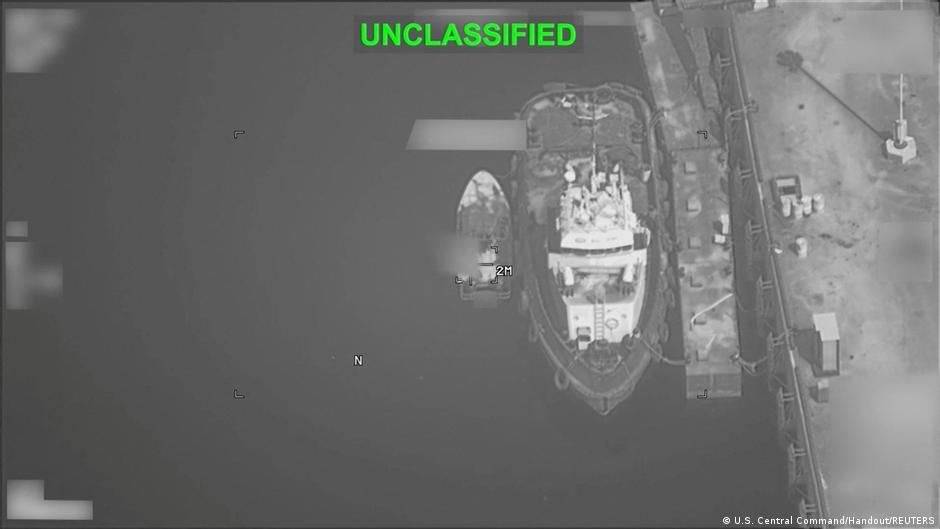
US intercepts Iranian missiles amid Middle East tensions, threatening global energy prices and impacting household budgets and savings worldwide.

US intercepts Iranian missiles amid Middle East tensions, threatening global energy prices and impacting household budgets and savings worldwide.

Jay Clayton's confirmation as US National Intelligence Director raises questions about potential impacts on financial markets and household economic stability amidst political divisions.

The US Senate advances sanctions bill imposing steep tariffs on Russian imports, potentially raising prices and affecting household budgets and investments.

Austria plans to extend mandatory military service to nine months and increase conscript pay, impacting household incomes, savings, and government spending.

Germany identifies 410 individuals linked to Islamist extremism, raising concerns about impacts on household finances, consumer confidence, and economic stability.

President Zelensky's Washington visit coincides with Senate moves to expand Russia sanctions, affecting household budgets and investment risks amid geopolitical tensions.

Germany’s transport minister resigns amid political tensions, raising concerns over infrastructure projects and economic effects on households and investors.

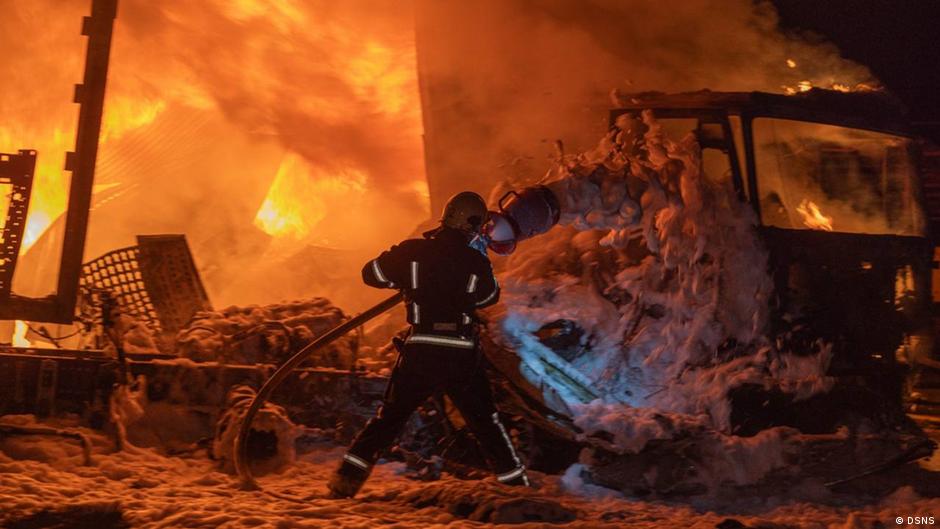
Drone strikes in Russian border regions cause civilian casualties and property damage, adding financial strain to households and local economies.


The UK’s transfer of rights for the Stone Cloak electronic warfare system to Ukraine affects defense innovation and has broader implications for household budgets and currency stability.

Ukraine warns Russia plans to expand military mobilization in 2026, including North Korean troops, raising economic risks for Russian households, savings, and currency stability.

A Russian disinformation campaign ahead of German elections threatens public trust, potentially impacting household finances, savings, and investment confidence across Europe.

Germany seeks to secure Ukraine’s advanced drone technologies through a government deal, impacting defense spending, currency stability, and investment opportunities.

Drone attacks on Russian cities disrupt energy and logistics infrastructure, potentially leading to higher consumer costs and financial market uncertainty.

Russia’s July oil and gas revenues may rise 60% year-on-year due to higher global prices, affecting household budgets, currency stability, and consumer finances amid ongoing sanctions.

US lifts sanctions on Belarus-linked Bel-Kap-Steel amid prisoner releases, potentially easing economic pressure on households and stabilizing currency and investments.

Attacks on Wildberries warehouses in Russia and Crimea disrupt logistics, threatening consumer goods availability and impacting household budgets and local markets.

Russian attacks on Black Sea trade routes disrupt global food supplies, risking higher consumer prices and straining household budgets worldwide.

Russia’s oil product production dropped nearly 22% in June, driving fuel price increases and straining household budgets and consumer spending.

Russia's updated fuel damping law aims to stabilize fuel prices, helping households manage costs amid market disruptions and supporting agricultural and import supply chains.

Eleven nights of US strikes on Iran disrupt key oil routes, pushing energy costs higher and affecting household budgets and investor confidence globally.

The US has sent $100 million in humanitarian aid to Cuba amid sanctions, providing direct relief to families while economic pressures and currency volatility rise.

US strikes on Iran enter the tenth day, risking global energy supply disruptions that could raise fuel prices and strain household budgets and investor portfolios worldwide.

The US has imposed 50% tariffs on Canadian imports, raising prices on goods like wine and cement, which may increase costs for American households and affect everyday investments.

The IMF approved a €604 million payment to Ukraine, supporting budget deficits and economic reforms amid war, with implications for household finances and currency stability.

Russian air strikes on Zaporizhzhia and Sumy caused civilian deaths and infrastructure damage, impacting household finances and local economies.

US-Iran conflict intensifies with nine nights of US strikes and Iranian retaliation, disrupting energy flows through the Strait of Hormuz and impacting global fuel prices.

The recent missile strikes on Kyiv caused property damage and casualties, impacting household budgets, local businesses, and consumer confidence amid conflict.

US plans to allow Saudi uranium enrichment could raise oil prices, affect currencies, and impact household budgets and investments worldwide.

Russia’s proposed law would allow convicted offenders to serve under military contracts, raising concerns about household income stability and economic impacts amid ongoing mobilization.

Hungary’s veto on Ukraine’s EU accession negotiation clusters delays integration, risking currency volatility, inflation, and uncertainty for households and investors.

Drone strikes on Russian logistics hubs and residential areas threaten supply chains, risking higher consumer prices and financial market volatility that impact households and investors.

US strikes on Iran's infrastructure heighten risks of oil supply disruptions, driving up energy costs and impacting household budgets and investors worldwide.

Trump alleges China accessed data of 220 million US voters in 2020, raising concerns over data breaches that threaten consumer security and household finances.

CIA director reveals Russian conscripts in Ukraine face 20-30 minute survival, driven by AI drone warfare impacting household finances and investor confidence.

Ukraine’s new Prime Minister Sergei Koretsky, an energy sector expert, could influence household utility costs and economic stability amid government reshuffle.

U.S.-Iran military clashes threaten to raise energy prices, impacting consumer costs, household budgets, and currency stability for everyday investors worldwide.

Russian missile and drone strikes on Kyiv and Kharkiv cause casualties and damage, intensifying economic uncertainty and affecting Ukrainian household finances.

The US is negotiating to restore an Iraq-Syria oil pipeline to bypass the Strait of Hormuz, aiming to stabilize energy supplies and ease global household energy costs.

US threats against the International Criminal Court spark concerns about global legal stability and economic impacts on currency markets, household budgets, and investors.

Germany sees a sharp rise in military service refusals, raising concerns about household budgets, savings, and investment strategies amid defense reforms.

Darlin Graham Norton assumes her late brother Lindsey Graham’s Senate seat, preserving Republican control and influencing policies that affect household budgets and investor confidence.

German President Steinmeier urges Europe to uphold international order and implement social reforms to stabilize economies and protect households amid rising geopolitical tensions.

US military strikes on Iran near the Strait of Hormuz risk disrupting oil supplies, driving up energy prices, and straining household budgets and investments globally.

The EU recommends cutting €2 million in funding from the Venice Biennale over Russia's participation, raising questions about the use of taxpayer money amid geopolitical tensions.

US strikes on Iran have closed the crucial Strait of Hormuz, threatening global oil supplies and raising energy costs that impact household budgets and everyday investors worldwide.

Russian drone strikes in Kharkiv damaged homes and a food industry plant, impacting local households and raising economic concerns for Ukraine’s civilians.

The killing of UK politician Anne Widdicombe raises public safety concerns that may impact household budgets, consumer confidence, and the broader economy.

Russia's closure of the Azov-Don Canal after drone attacks disrupts grain exports, driving up wheat prices and posing risks to household budgets and commodity markets.

June 2026 saw the highest civilian casualties in Ukraine since the Russian invasion, intensifying financial pressures on families and everyday investors amid ongoing conflict.

The Saratov refinery’s shutdown amid drone attacks worsens Russia’s fuel scarcity, impacting millions of consumers and raising fuel prices nationwide.