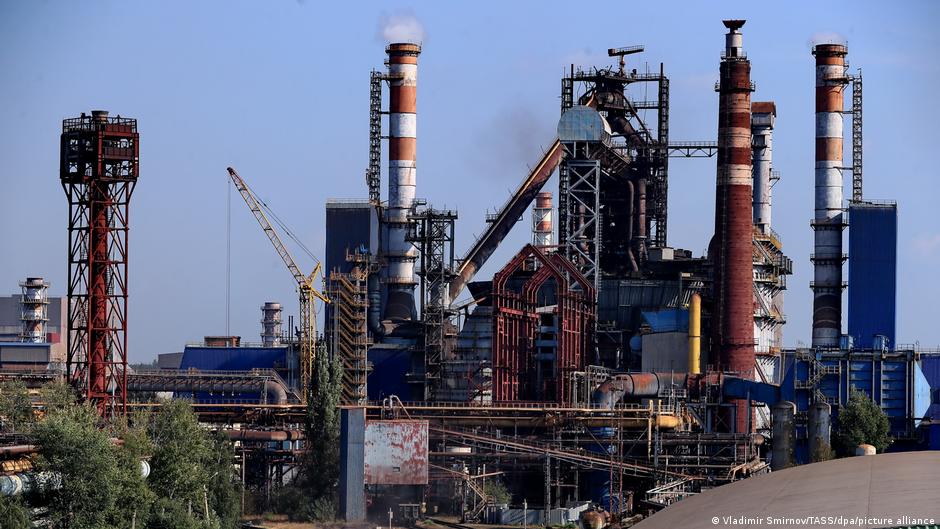
Potential Russia Sanctions Relief Could Reshape US Diesel Costs
A possible easing of restrictions on Russia’s sovereign investment fund could affect fuel prices, household budgets and energy investments.
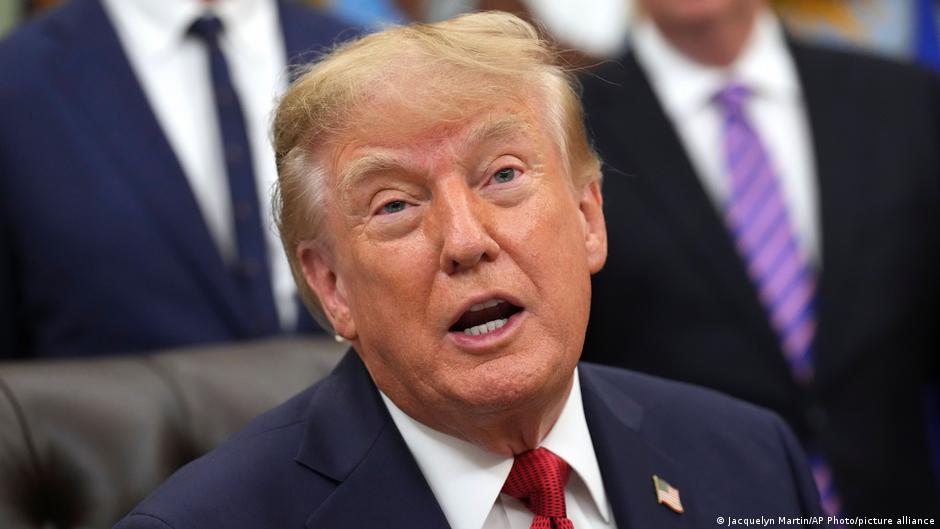
The Trump administration is considering lifting sanctions on the Russian Direct Investment Fund, or RDIF, as Moscow seeks a route for the fund to participate in shipments of Russian diesel fuel to the United States, The New York Times reported on October 27, citing people familiar with US-Russian negotiations.
For American households, the immediate issue is whether the proposed sanctions relief could help reduce diesel prices. Diesel costs affect consumers well beyond the fuel pump: trucks move groceries, clothing, appliances and other goods across the country, while farmers, construction companies and delivery services also rely heavily on the fuel. A sustained decline in diesel prices could therefore ease some transportation and distribution costs, although the report provides no estimate of how much of any reduction would ultimately reach consumers.
The Biden administration imposed sanctions on RDIF four days after Russia’s full-scale invasion of Ukraine. Although the organization is formally a sovereign investment fund, the US Treasury said at the time that many viewed it as President Vladimir Putin’s “slush fund” and an example of the kleptocracy associated with Russia’s system of government.
What sanctions relief could mean for fuel bills
Moscow is pressing Washington to remove the restrictions so RDIF can take part in supplying Russian diesel to the United States, according to the Times. One of the newspaper’s sources said the Treasury Department is reviewing RDIF’s request through its normal procedures. Under that process, the Russian fund would need to demonstrate that the original grounds for imposing sanctions no longer apply.
For consumers, the central question is whether additional diesel supply would produce durable savings at the pump and throughout the wider economy.
The Times said consideration of further sanctions relief, which had not previously been reported, shows how the Kremlin is using diplomacy connected to the war in Ukraine to advance an agenda that appears to have little to do with securing peace.
RDIF is headed by Kirill Dmitriev, a central participant in Russian-American negotiations, including discussions concerning the war in Ukraine. He has promoted Kremlin proposals for possible joint business projects between Russia and the United States and has met repeatedly with representatives of the current US administration.
The fund was established in 2011 to attract foreign investment into Russia. Its projects have included Sputnik V, Russia’s vaccine developed during the COVID-19 pandemic. Removing sanctions could potentially reopen channels for transactions involving RDIF, but the report does not establish when a decision might be made or whether the request will be approved.
Large diesel shipments are under discussion
President Donald Trump said on Truth Social on October 9 that he had held “very successful” talks with Putin and that they had reached an agreement covering supplies of Russian diesel to the United States and the global market.
According to Trump, Russia would immediately provide more than 300,000 metric tons of diesel to US and global markets, followed by another 500,000 tons during November and 1 million tons after that. He also said Moscow could quickly supply an additional 3 million tons of fuel, depending on the condition of Russian oil refineries.
Trump said Russian energy supplies, combined with what he described as the United States’ “full control” over the Strait of Hormuz, would drive diesel prices sharply and substantially lower for Americans and consumers worldwide. The same day, the US Treasury announced that the Office of Foreign Assets Control, acting at the president’s direction, was immediately issuing a temporary general license permitting Russian diesel supplies to the global market. Putin later formally confirmed the telephone conversation and the agreements concerning Russian petroleum-product deliveries to world markets.
Household savings and investor risks
Cheaper diesel could offer households indirect relief if lower freight expenses reduce pressure on retail prices. Consumers who drive diesel vehicles or operate small businesses with fuel-intensive fleets could feel a more direct effect. However, retail prices also depend on refining capacity, distribution costs, taxes, regional inventories and demand, so additional Russian supply alone does not guarantee a specific saving.
The development may also matter to everyday investors with exposure to energy producers, refiners, transport companies or inflation-sensitive assets. More diesel on the global market could weigh on fuel prices and refining margins, while potentially lowering operating expenses for airlines, logistics groups and manufacturers. Any market impact would depend on whether sanctions are actually lifted, how much fuel is delivered and whether the arrangements endure.
Currency effects are similarly uncertain. Expanded energy trade can influence demand for dollars and other settlement currencies, while a meaningful decline in fuel costs could reduce some inflation pressure. For savers, that could eventually matter through interest-rate expectations and returns on cash accounts or bonds. Yet the negotiations remain politically sensitive, and sanctions policy can change quickly, leaving households and investors exposed to renewed volatility even if near-term fuel prices fall.