Reported Lipetsk Plant Fire Raises Risks for Russian Household Budgets
Unconfirmed attacks on industrial sites could affect jobs, prices and savings if production or regional infrastructure is disrupted.
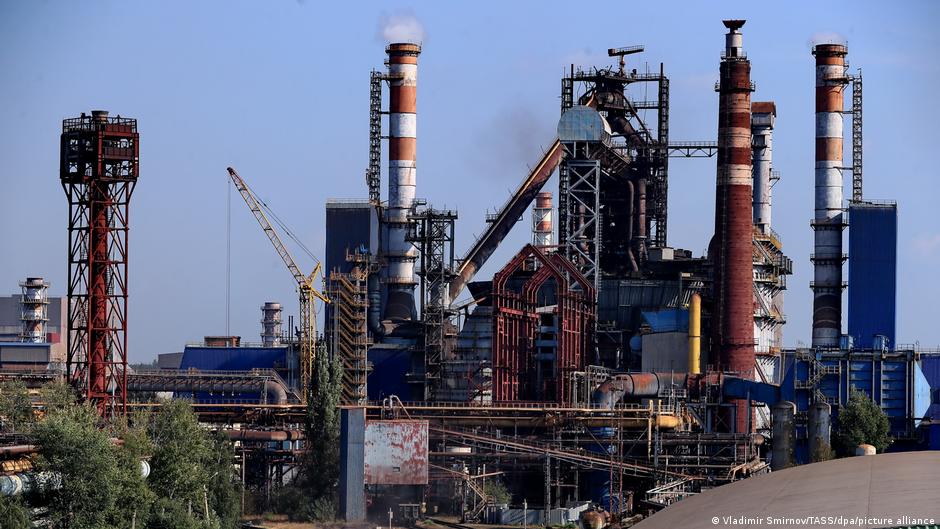
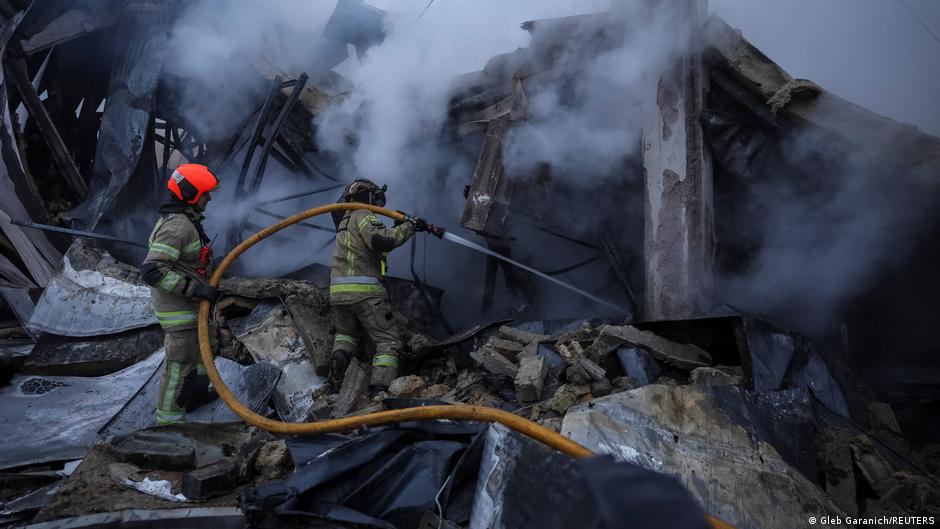
A reported Ukrainian drone attack on the Russian city of Lipetsk has caused a fire at the Novolipetsk Metallurgical Plant, according to Ukrainian monitoring channel Exilenova+. Preliminary open-source intelligence from the channel also indicated a fire near a military airfield. Neither the extent of the damage nor any interruption to production had been confirmed at the time of publication.
For households, the immediate financial issue is uncertainty. A significant disruption at a major industrial employer can affect wages, contractor income and local business activity. Damage to surrounding infrastructure may also raise transport and repair costs. Any effect on consumer prices, savings or investments, however, would depend on verified damage and the duration of a possible shutdown.
Exilenova+ said Lipetsk was attacked by jet-powered unmanned aerial vehicles operated by the Armed Forces of Ukraine overnight into Wednesday, October 28. Its preliminary assessment said a fire broke out near the Novolipetsk Metallurgical Plant, including as a result of local air-defense activity. The steelworks was previously targeted in Ukrainian attacks during 2024.
Industrial disruption could reach household finances
A prolonged interruption at a metallurgical complex could expose workers and suppliers to reduced shifts, delayed contracts or weaker local demand. Households whose incomes depend directly or indirectly on the plant would be the most vulnerable. Consumers could also face higher costs if damage constrained the supply of industrial materials or disrupted regional logistics, although the available reports did not establish that either had occurred.
Everyday investors face a similar verification problem. Reports of fires at strategic factories can trigger concern about industrial earnings, government spending and the ruble, but the source provided no information about production losses, financial damage or market movements. Savers and investors therefore lack the data needed to calculate a direct impact on company valuations, deposit purchasing power or household portfolios.
The channel also reported strikes in the area of Lipetsk’s military airfield. It said missile alerts had sounded in several Russian regions and air defenses had engaged jet-powered targets over the city.
“There is preliminary information about impacts and a fire in the area of the airfield,” the channel said.
Exilenova+ published photographs and witness videos that it said showed air-defense systems operating. According to the channel, one recording captured explosions of 30-millimeter rounds fired by automatic anti-aircraft guns belonging to a Russian Pantsir surface-to-air missile and artillery system. It said the firing did not hit the targets.
Separate reports emerge from Tula region
Exilenova+ later cited local residents in reporting an attack and subsequent fire at the Azot chemical plant in Novomoskovsk, in Russia’s Tula region. It provided no further details. According to Ukraine’s Foreign Intelligence Service, the facility supplies nitric acid to the Sverdlov plant in Dzerzhinsk, Nizhny Novgorod region, which produces explosives.
Tula regional governor Dmitry Milyaev said air-defense units were repelling a drone raid. He wrote on Telegram that apartment buildings, private homes and infrastructure in the industrial area bordering Novomoskovsk had been damaged. Such residential damage creates a more direct household burden, including potential repair expenses, temporary displacement and losses involving personal property, though no monetary estimate was provided.
At the time of publication, the General Staff of the Armed Forces of Ukraine, Ukraine’s Defense Ministry and the Lipetsk regional authorities had not commented on the reported Lipetsk attack.
Repeated attacks add to regional economic uncertainty
The reports followed another strike on October 25 against what was described as Russia’s largest battery manufacturing plant in Yelets, Lipetsk region. Regional governor Igor Artamonov did not identify the enterprise or disclose the scale of the damage.
According to an open-source analysis by Astra, the target was the Energia plant in Yelets’s industrial zone. Astra said the facility produces batteries for Russian drones, several missile systems and other weapons widely used by the Russian military in its war against Ukraine.
Exilenova+ reported that several Storm Shadow missiles attacked the plant. The channel claimed that at least two strikes hit two buildings and that one production building sustained extensive destruction. The following day, Ukraine’s General Staff confirmed that the enterprise had been hit and damaged but did not identify the weapon used. Before the October 25 strike, Energia had already been targeted five times by Ukrainian forces.
For Russian families, repeated attacks on industrial centers increase the risk of uneven regional financial pressure. Workers may worry about income continuity, homeowners about property damage and savers about inflation or currency volatility. Still, the reports remain incomplete: no verified assessment has established the operational impact at the Lipetsk steelworks, the airfield or the Novomoskovsk chemical plant. Until official damage and production data emerge, the consequences for household budgets and everyday investors remain potential rather than measurable.