Kharkiv Drone Strike Deepens Financial Strain on Affected Households
Damage to homes and a production building adds emergency housing, medical and income pressures for Kharkiv residents already facing wartime uncertainty.
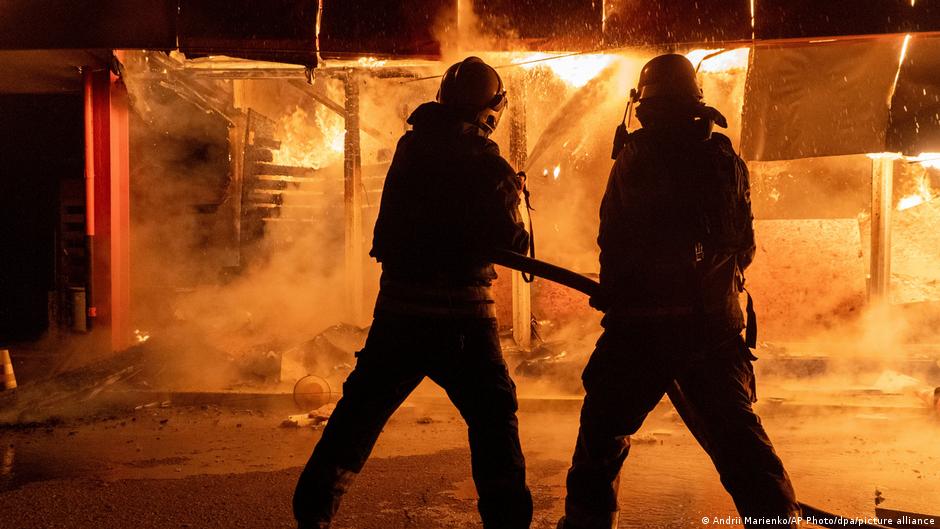
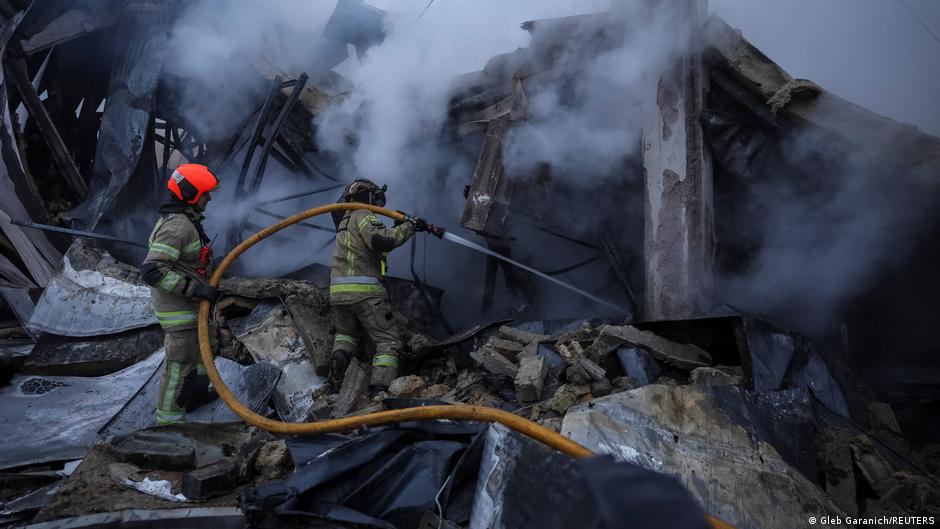
A Russian drone struck a residential building in Kharkiv overnight into Wednesday, October 28, injuring four people, including a four-year-old boy, according to regional authorities. The attack also caused fires at residential properties and a two-story production building, creating immediate financial pressures for affected households alongside the human cost.
Oleh Syniehubov, head of the Kharkiv Regional Military Administration, said the attack hit the city’s Osnovianskyi district. A two-story production building, a two-story apartment building and a single-story home caught fire following the strike.
Syniehubov later identified the injured as two women aged 32 and 65, a 56-year-old man and the four-year-old boy. Three of the four required hospitalization.
“A strike on an apartment building. According to available information, people are trapped inside,” Kharkiv Mayor Ihor Terekhov wrote.
The reported entrapment highlighted the immediate danger to residents as emergency personnel responded. Authorities did not provide an estimate of the property damage, identify how many households were displaced or give details about the condition of the hospitalized victims.
Emergency costs compound pressure on family finances
For residents of damaged buildings, the financial consequences can begin before the full scale of the destruction is known. Families may need to pay for temporary accommodation, transport, food, clothing and basic household supplies if they cannot safely return home. Broken windows, smoke damage, fire damage and interrupted utilities can also make apartments uninhabitable even when the structure remains standing.
Medical treatment and hospitalization can create additional costs and disrupt household income, particularly when an injured adult is unable to work or another family member must provide care. The presence of an injured child may add further transport, caregiving and accommodation needs for relatives supporting the family.
No information was provided on insurance coverage, compensation, repair funding or emergency financial assistance for those affected. The absence of an official damage assessment means the eventual burden on residents, property owners, employers and public services cannot yet be calculated.
The fire at the production building also introduces possible risks for workers and nearby businesses. Damage to a workplace can interrupt operations, delay wages or reduce working hours, though officials did not say what the facility produced, how badly it was damaged or whether employment was affected.
Savings and household resilience face repeated shocks
For households already managing wartime uncertainty, a sudden evacuation or repair bill can rapidly consume cash reserves. Savings intended for rent, education, medical care or future purchases may instead be redirected toward immediate shelter and replacing essential possessions. Residents without accessible emergency funds can face especially difficult choices when housing and income are disrupted at the same time.
Property damage can also leave families waiting for inspections, repairs and decisions on whether a building is safe to occupy. During that period, overlapping expenses may arise if residents continue to carry obligations connected to a damaged home while paying for temporary housing elsewhere.
The attack occurred amid wider warnings of continuing aerial threats. Ukraine’s Air Force warned of a possible ballistic-weapon launch from Bryansk toward Kyiv, but later lifted that alert. According to messages on the Air Force’s Telegram channel, attacks involving jet-powered unmanned aerial vehicles and guided aerial bombs continued toward the Kharkiv and Dnipropetrovsk regions, as well as Kyiv and the surrounding region.
Continued alerts can have broader effects on everyday economic activity by interrupting work, retail operations, transport and access to services. For individual investors and savers, repeated attacks reinforce the uncertainty surrounding local property, business continuity and household liquidity. The source report provided no figures on market movements, currency effects or investment losses linked to the latest strike, so any direct financial-market impact remains unquantified.
The immediate priority remains the injured residents and the safety of people in the affected buildings. For families caught in the attack, however, recovery is also likely to involve practical financial decisions about where to stay, how to cover essential expenses and when damaged homes or workplaces can be used again. Authorities had not disclosed the total number of affected residents or the anticipated cost of recovery.