Kyiv Missile Strikes Deepen Financial Strain on Ukrainian Households
Damage to homes, vehicles and public infrastructure is adding fresh costs and uncertainty for families in Kyiv and Kharkiv.
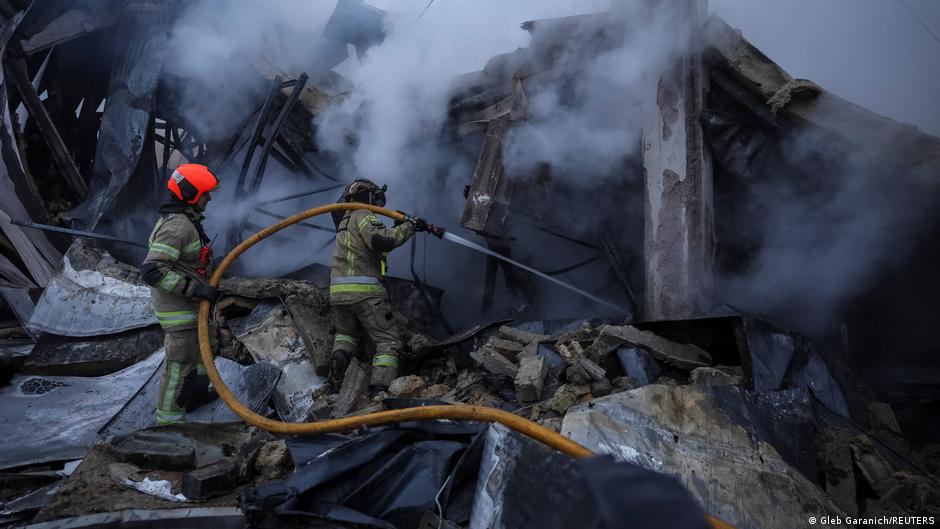
Russian forces launched a series of missile strikes on Kyiv on the evening of October 26, killing at least one person and injuring no fewer than 10 others, according to local authorities. Three of the injured were reported to be in serious condition. Earlier attacks on Kharkiv killed two people and injured four, while damaging apartment buildings, private homes and vehicles.
Beyond the immediate human toll, the latest attacks threaten to intensify the financial pressure on Ukrainian households. Damage to residential property and cars can leave families facing urgent repair, replacement and temporary accommodation costs. When strikes affect areas near public transport, universities and medical facilities, the disruption can also complicate commutes, education and access to healthcare.
Kyiv Mayor Vitali Klitschko said at around 11 p.m. local time that nine injured people had been taken to hospital. Three were in serious condition. The mayor had previously reported attacks in two districts of the capital.
Homes and essential services face renewed disruption
In Kyiv’s Desnianskyi district, a strike hit near a metro station and close to a university dormitory. The Kyiv City Military Administration said a residential building was damaged and that, according to preliminary information, people might be trapped inside.
In the Dniprovskyi district, a strike hit a building in a non-residential development. Windows were also blown out in two departments of a medical facility in the district. Klitschko said patients and medical staff were not injured. Authorities were still assessing the other consequences of the attacks.
For residents, the destruction of windows and damage to buildings can translate into immediate out-of-pocket expenses, even before the full scale of losses becomes clear. Families may need to secure exposed homes, replace essential belongings or arrange alternative places to stay. Damage near a metro station may also affect everyday travel, forcing commuters to find other routes and potentially raising transport costs.
The financial burden is likely to be most acute for households with limited savings or those already paying for earlier repairs. A damaged home or vehicle is not only an asset loss: it can also interrupt employment, study and caregiving. Medical emergencies may create additional costs and reduce income when injured people or their relatives are unable to work.
“As a result of the shelling of the Novobavarskyi district, two people have already been killed and four injured. Apartment buildings and private homes, as well as cars, were damaged,” Kharkiv Mayor Ihor Terekhov wrote on Telegram.
Household budgets absorb the shock
The attacks demonstrate how wartime risk reaches household balance sheets through several channels at once. Property damage can erode family wealth, while disruption to transport and local services can raise routine expenses. Families whose vehicles were damaged may face repair or replacement decisions at the same time as they are dealing with damaged housing.
For savers and everyday investors, repeated strikes reinforce the need to prioritize access to emergency funds and liquidity. Households may have to draw down savings intended for education, retirement or major purchases to cover immediate needs. The source reports did not provide estimates of the value of property damage, the cost of repairs or any compensation available to affected residents.
The reports also did not specify any immediate impact on the Ukrainian currency or financial markets. Nevertheless, attacks on major cities can deepen uncertainty for consumers and investors by increasing the risk of infrastructure disruption and unexpected household spending. Any direct market reaction would require separate confirmation from current trading data.
Ukraine’s Air Force said the ballistic missile launches targeting Kyiv originated from Bryansk. At the time of publication, the attack was continuing, including through the use of jet-powered drones. That continuing threat meant the extent of the damage and the number of people affected could not yet be considered final.
For residents of Kyiv and Kharkiv, the priority remained personal safety and emergency response. The economic consequences will become clearer only after authorities complete damage assessments. For affected families, however, the impact is already tangible: damaged homes, lost vehicles, medical emergencies and a renewed need to protect whatever financial reserves remain.