UniCredit Wins ECB Approval to Tighten Its Grip on Commerzbank
The proposed takeover could reshape banking competition in Germany, with potential consequences for savers, borrowers and small businesses.
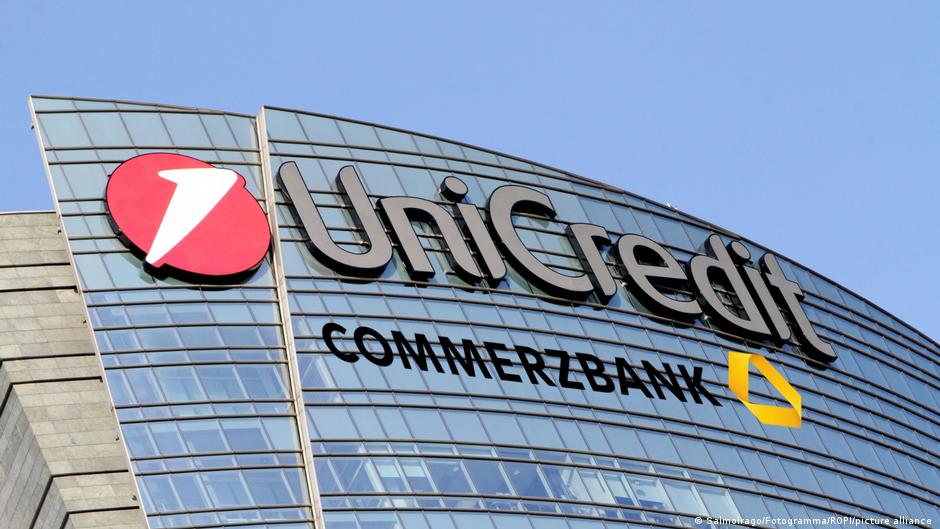
UniCredit has received approval from the European Central Bank to acquire additional stakes in Commerzbank, clearing a crucial regulatory hurdle in the Italian lender’s pursuit of Germany’s second most important commercial bank.
Representatives of UniCredit announced the ECB’s decision on Thursday, October 15. The approval allows UniCredit to cross the threshold of 30% ownership in Commerzbank, one of Germany’s two largest private banks, and subsequently increase its holding without further limits. In practical terms, that gives the Italian group a path toward a gradual takeover.
For households, the immediate effect is likely to be limited: deposits, loans, mortgages and payment services do not automatically change because a shareholder gains greater control. The longer-term implications, however, could reach German consumers and everyday investors through changes in competition, branch networks, product pricing and the strategic direction of a bank that plays a major role in the country’s economy.
What the approval means for customers
Bank mergers commonly promise lower costs and greater efficiency, but those benefits do not necessarily flow directly to retail customers. If UniCredit eventually integrates operations, it could streamline overlapping services, revise account packages or place greater emphasis on digital banking. Such steps may affect fees and access to in-person services, although UniCredit has not detailed consumer-facing changes in the source announcement.
Savers should distinguish between a change in ownership and a change in the terms of their accounts. The ECB’s approval concerns UniCredit’s ability to increase its stake, not an immediate transfer or cancellation of customer products. Borrowers likewise remain bound by their existing loan agreements unless they are separately notified of lawful changes.
The decision may also matter for competition. A larger cross-border banking group could offer customers a broader European network and potentially stronger digital services. At the same time, consolidation can reduce the number of major competitors in a national market. Consumers comparing savings rates, mortgage costs and current-account fees will therefore need to watch how Commerzbank’s offers evolve if UniCredit establishes control.
UniCredit said the ECB’s decision demonstrated confidence in its “strong position in the European banking sector.”
The transaction is expected to pass through supervisory procedures by the end of the current year. By that point, UniCredit is expected to hold half of the voting rights in Commerzbank’s shareholder council, enabling it to establish control over the German lender.
Shareholders face an equity exchange
The process began in May, when UniCredit offered Commerzbank shareholders 0.485 UniCredit shares for every Commerzbank share they owned. That proposal gave the Italian bank access to almost half of the German company’s shares. Completion of the share exchange nevertheless required permission from the ECB, making the regulator’s review a decisive stage in the transaction.
For retail investors, the proposed exchange changes the nature of their exposure. Commerzbank shareholders accepting UniCredit shares would move from owning stock focused on a major German commercial bank to holding an interest in a broader Italian-led European banking group. Their returns would then be influenced by UniCredit’s overall performance, integration decisions and activities across several markets.
The structure may also expose German investors more directly to cross-border considerations, including movements in banking-sector valuations and differences between national economies. Both Germany and Italy use the euro, so the exchange does not introduce direct euro-to-euro currency conversion for shareholders. Investors outside the euro area, however, may still see the value of either bank’s shares fluctuate in their home currency as exchange rates move.
The ECB’s decision was not considered unexpected. The central bank has repeatedly indicated support for bank mergers within the eurozone, viewing such transactions as a way to strengthen the European Union’s single internal market. Larger banking groups can spread operations across borders, although the consequences for consumers depend on how management handles pricing, staffing and local services.
German resistance focuses on jobs and small businesses
Commerzbank’s management and employees, as well as German authorities, previously opposed UniCredit’s takeover plans. Germany’s federal government owns slightly more than 13% of Commerzbank and wants to prevent job losses resulting from post-takeover efficiency measures.
That concern has a household-finance dimension. Staff reductions can affect the incomes of bank employees and the communities where they live, while branch closures or reorganizations can make face-to-face services less accessible. No specific number of potential job cuts was provided, and the eventual employment impact will depend on decisions made after control is established.
German authorities also want Commerzbank to remain a publicly listed company headquartered in Frankfurt and to continue developing services for German small and medium-sized enterprises. Those businesses are an important part of household finances because they employ workers, support local economies and often depend on bank credit for investment and cash flow.
If UniCredit ultimately takes control, customers and investors should focus on concrete notices rather than assuming immediate disruption. The most relevant signals will be changes to deposit rates, account fees, lending standards, branch access and support for small businesses. The ECB approval makes a takeover possible, but the practical effect on family budgets and savings will emerge only as UniCredit sets out how it intends to run Commerzbank.



