Russian Attacks on Black Sea Trade Routes Threaten Global Food Prices and Household Budgets
Russian attacks on Black Sea trade routes disrupt global food supplies, risking higher consumer prices and straining household budgets worldwide.

Russian attacks on Black Sea trade routes disrupt global food supplies, risking higher consumer prices and straining household budgets worldwide.

US military deaths in the Iran conflict rise, increasing geopolitical risks that affect household budgets, currency markets, and investment decisions.

US threats against the International Criminal Court spark concerns about global legal stability and economic impacts on currency markets, household budgets, and investors.

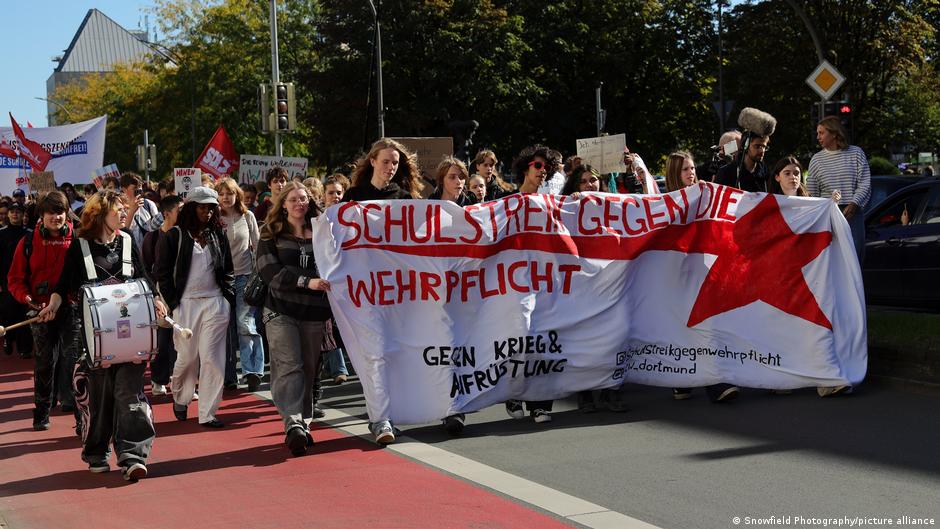
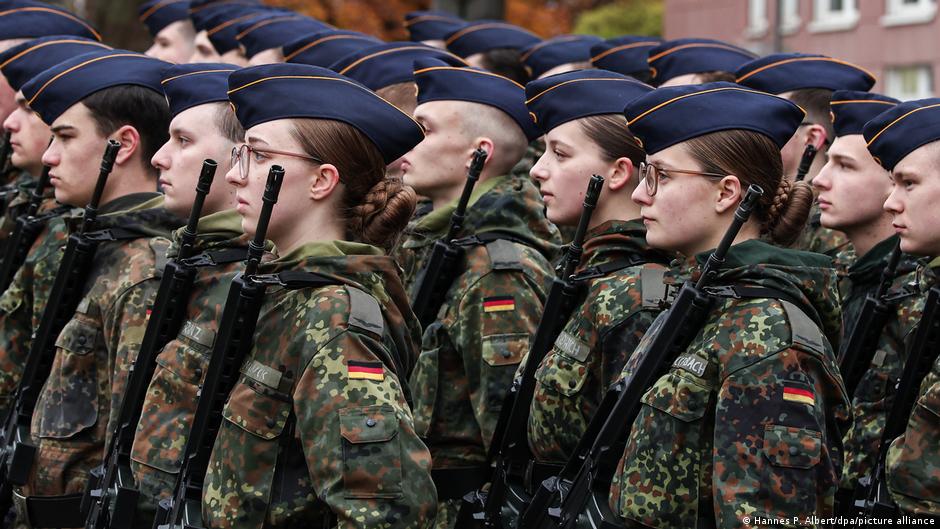
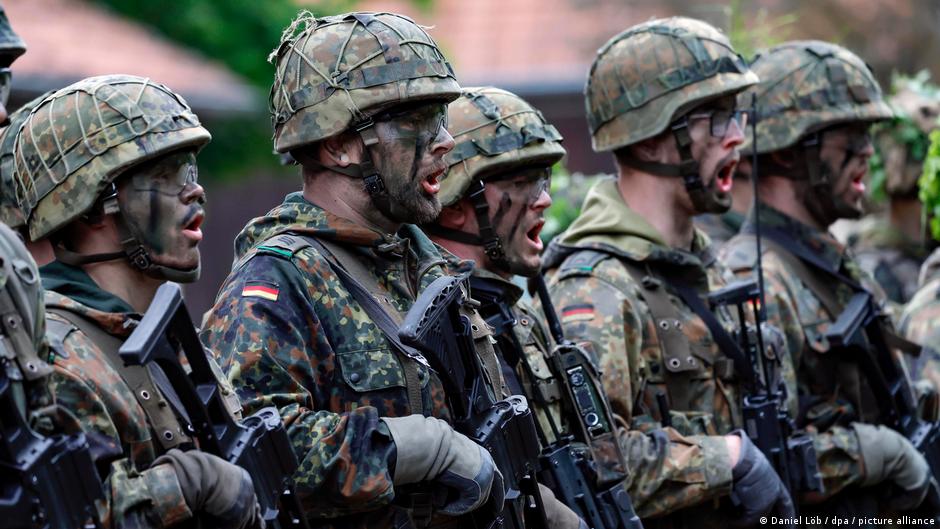
Germany sees a sharp rise in military service refusals, raising concerns about household budgets, savings, and investment strategies amid defense reforms.

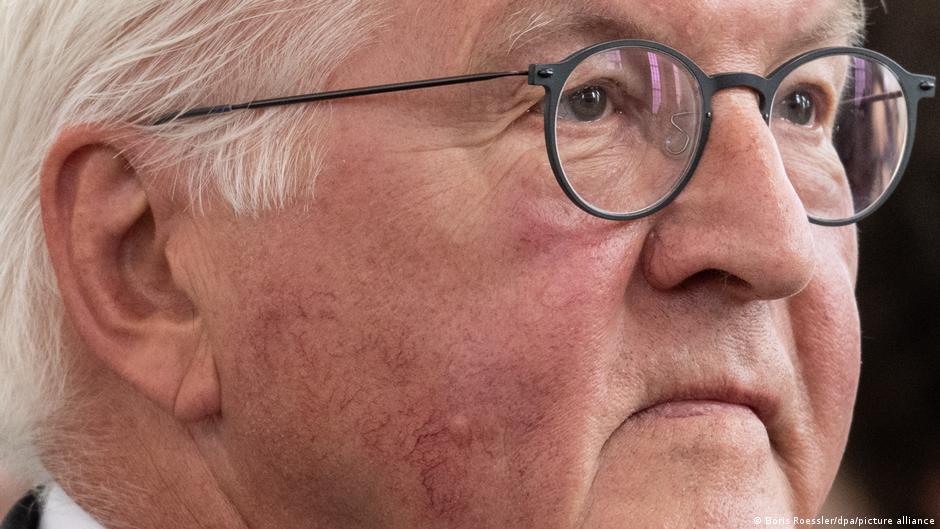
German President Steinmeier urges Europe to uphold international order and implement social reforms to stabilize economies and protect households amid rising geopolitical tensions.

Germany plans a 25.5% defense budget increase for 2026, raising concerns over impacts on household finances, public debt, and investor markets.

Germany plans a 6% increase in spending and higher borrowing in its 2027 budget, with defense costs rising sharply, raising concerns for household finances and economic growth.

Canada's selection of German TKMS for submarine procurement signals deepening transatlantic ties, with wide-ranging effects on currencies, government budgets, and investors.

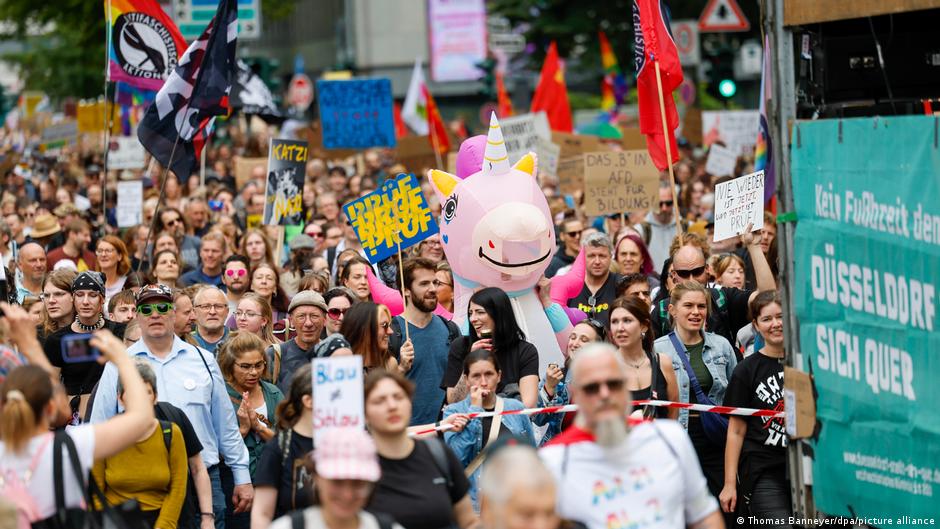
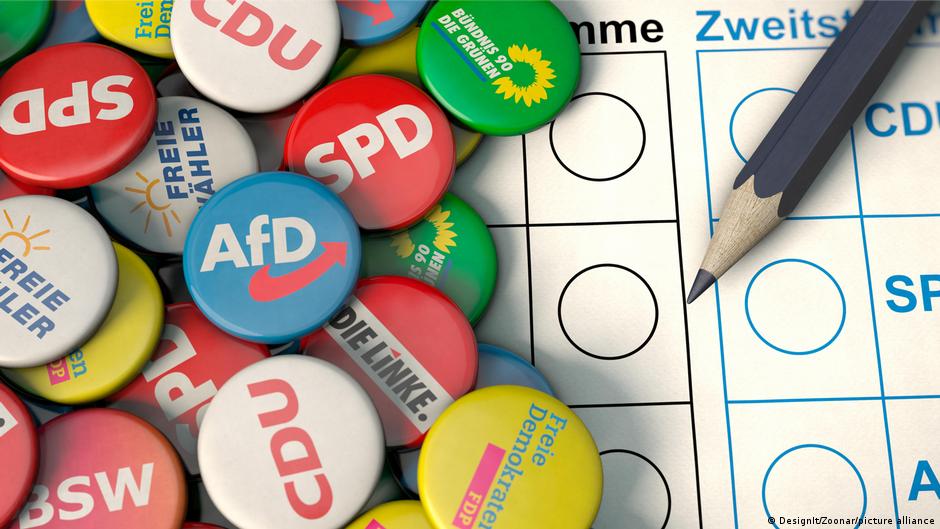
Nearly half of Germans oppose banning the far-right AfD party, which leads polls and influences consumer confidence, savings, and household financial strategies.

A survey shows 40% of Germans doubt they can work until retirement due to heavy job strain, raising concerns about pension security and household finances.

Two brothers in Germany admitted to violating EU sanctions by exporting industrial parts to Russia, highlighting risks for businesses and impacts on consumer finances and markets.

The EU cuts duty-free steel imports by 47%, imposing 50% tariffs on excess, potentially raising prices for consumers and impacting household budgets and investors.

German and US foreign ministers emphasize their partnership's role in stabilizing the global economy amid crises affecting household finances and investor confidence.

German authorities grant asylum to Russian activist Ilya Shkolny after a lengthy legal fight, underscoring the financial and social impacts of geopolitical instability on households and investors.

President Trump praises Zelensky amid the Ukraine war, highlighting impacts on household budgets, currencies, and market volatility affecting consumers and investors globally.

Belgium granted one-day visas to five Taliban representatives for EU talks on Afghan deportations, highlighting migration policy impacts on households and financial stability.

Russian drone and missile strikes in Kharkiv and Odessa damage homes and agriculture, impacting household budgets, food prices, and consumer confidence in Ukraine.

Germany urges Turkey to exclude Russian gas from future EU contracts, affecting energy prices, household budgets, and currency markets amid evolving geopolitics.

The EU's quiet talks with Russia may pave the way for peace, potentially easing inflation and market volatility that affect European households and investors.

G7 countries announced new sanctions on Russian oil and gas, increased arms aid to Ukraine, raising concerns over rising energy prices and household budget impacts.

Germany’s workforce shortage is set to rise by 4.3 million by 2036 due to retiring baby boomers and reduced immigration, impacting household incomes and economic stability.

European leaders welcome the US-Iran peace deal as a move to stabilize energy markets, potentially easing household energy costs and inflation worldwide.

Twenty-two countries accuse Iran of orchestrating attacks abroad, raising geopolitical risks that could affect currencies, household budgets, and investor confidence.

Germany commits an extra €300 million to Ukraine ammunition supplies, raising concerns about European fiscal pressures affecting household budgets and consumer finances.

President Zelensky's positive talks with US envoys highlight ongoing efforts to end the Ukraine war, affecting household budgets and financial markets worldwide.

Repeated drone strikes over Kyiv disrupt daily life and threaten household finances, with impacts on incomes, savings, and currency stability amid ongoing conflict.

The UN faces a financial crisis as major donors like the US and China delay payments, forcing cuts to vital programs and raising concerns for global aid and economic stability.

Putin’s alleged children receive foreign language tutoring costing hundreds of thousands annually, revealing stark contrasts in elite versus average household spending amid Russia’s economic challenges.

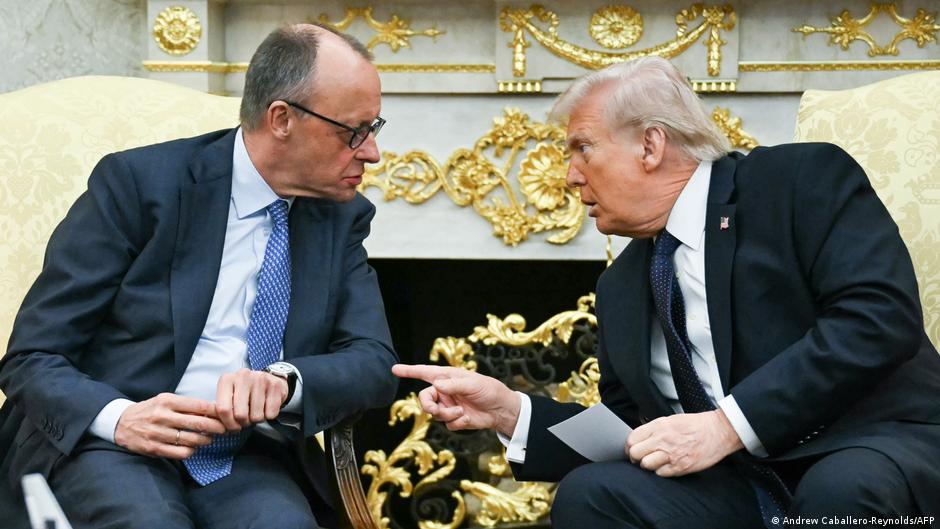
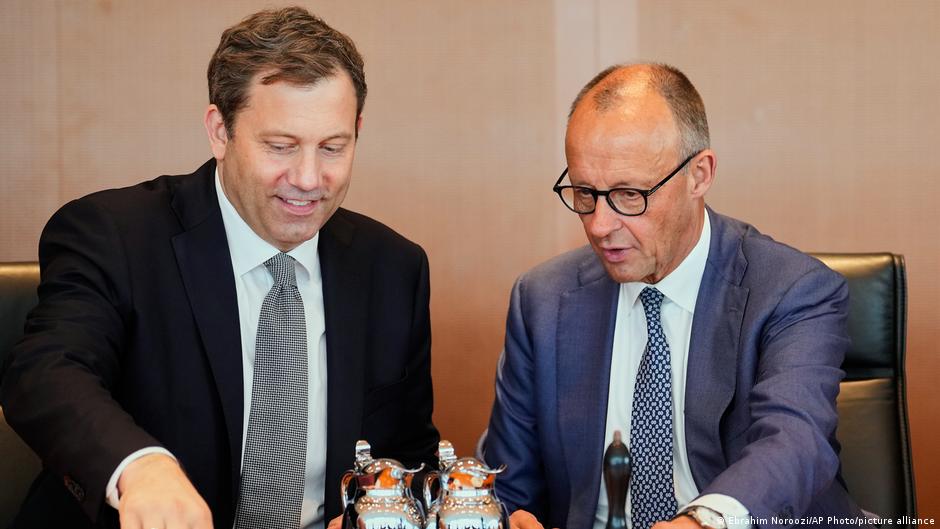
Denials of Chancellor Friedrich Merz’s early replacement ease political uncertainty, helping stabilize Germany’s economy and consumer confidence amid current challenges.

The EU postpones appointing a negotiator with Russia, focusing on sanction strategies that impact European households' finances and market stability.

European leaders and Ukraine's Zelensky renew peace talks as the war's economic toll grows, affecting household budgets, savings, currencies, and everyday investors.

Western condemnation of Israel’s treatment of Palestinian activists highlights risks to currency stability and household finances amid rising geopolitical tensions.

Moscow's approval of a new German ambassador amid strained ties may impact household budgets, currency stability, and everyday investors in Germany and Russia.

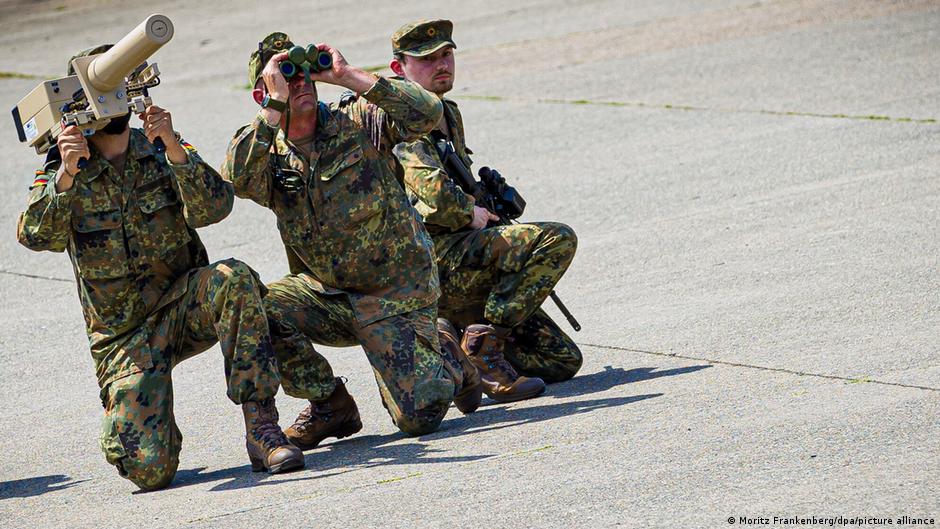
Ukraine and Germany deepen defense cooperation to enhance air defense and drone production, influencing regional security and economic stability amid ongoing conflict.

Serbia hosts first joint NATO military exercises amid neutrality policy, with potential but limited impact on household finances and economic stability.

Ukraine’s plan to supply NATO with long-range drones and missiles could reshape defense dynamics and affect household finances, currency stability, and consumer investment decisions in Europe.

Germany is considering President Steinmeier to represent the EU in potential peace talks with Russia, a move that could influence European markets, currencies, and household finances amid the Ukraine conflict.

Putin names former German Chancellor Schröder as preferred EU negotiator in Ukraine talks, potentially impacting energy prices, currencies, and household budgets across Europe.

The potential redeployment of 5,000 US troops from Germany to Poland could influence local economies, household finances, currencies, and investment dynamics in Europe.

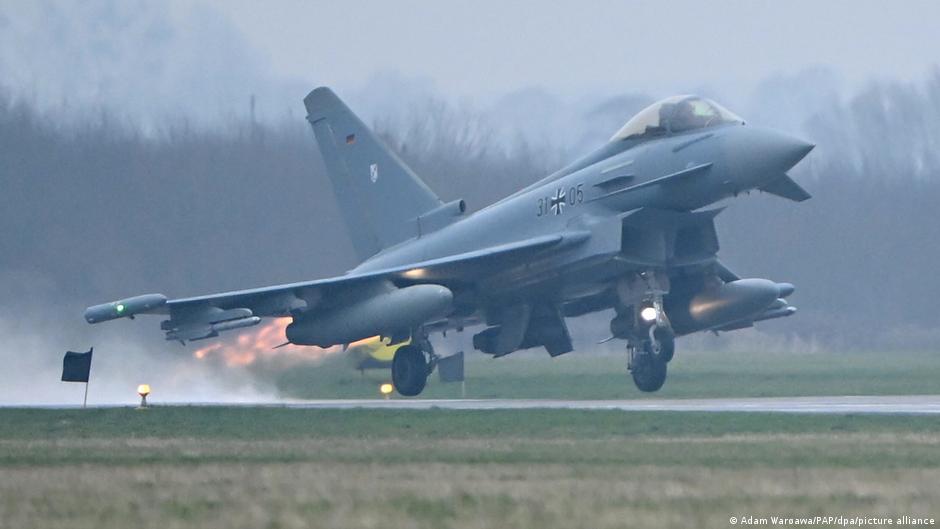
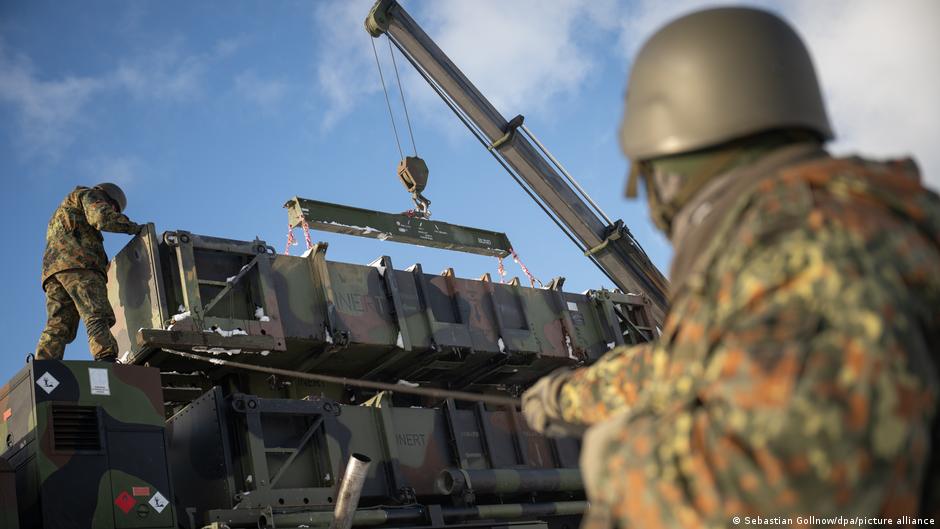
Germany is accelerating its long-range missile development after the US declined Tomahawk deployment, affecting European security, defense budgets, and investors’ outlook.

Iran’s missile and drone strikes on the UAE escalate regional tensions, threatening global energy supplies and raising costs that impact household budgets and investors.

Germany transfers an 84 MW gas power plant from the Nord Stream pipeline to Ukraine, impacting energy infrastructure and household energy costs amid ongoing conflict.

The US plans major cuts to its troops in Germany, affecting local economies, currency markets, and potentially household finances and investments.

US plans to raise auto tariffs on EU imports threaten Germany’s economy, potentially triggering a 2026 recession with significant impacts on household budgets and consumer prices.

The US plans to withdraw 5,000 troops from Germany, a move that could impact euro-dollar exchange rates, local economies, and household finances.

The EU-Mercosur free trade agreement starts provisionally, promising cheaper goods but raising concerns over environmental standards and agricultural impacts affecting households and investors.

Italy and Germany express concern as Israel halts Gaza aid flotilla, highlighting potential impacts on household budgets, currency markets, and consumer costs worldwide.

German CEO pay has surged 56% since 2019 while real wages for workers have declined, intensifying financial pressures on households amid rising inflation and economic uncertainty.

Alexander Eichwald was expelled from Germany's AfD party for a speech mimicking Hitler, raising concerns about political stability and its effects on household finances and currency markets.

Phishing attacks targeting German officials via Signal expose risks in digital communication, highlighting the need for vigilance among everyday users to protect personal data and finances.