Foreign Investment in Germany Jumps to 86 Billion Euros, Shifting Market Signals
A sharp rebound in foreign capital into Germany in 2025 may matter for household finances through jobs, savings sentiment, currencies and investment flows.
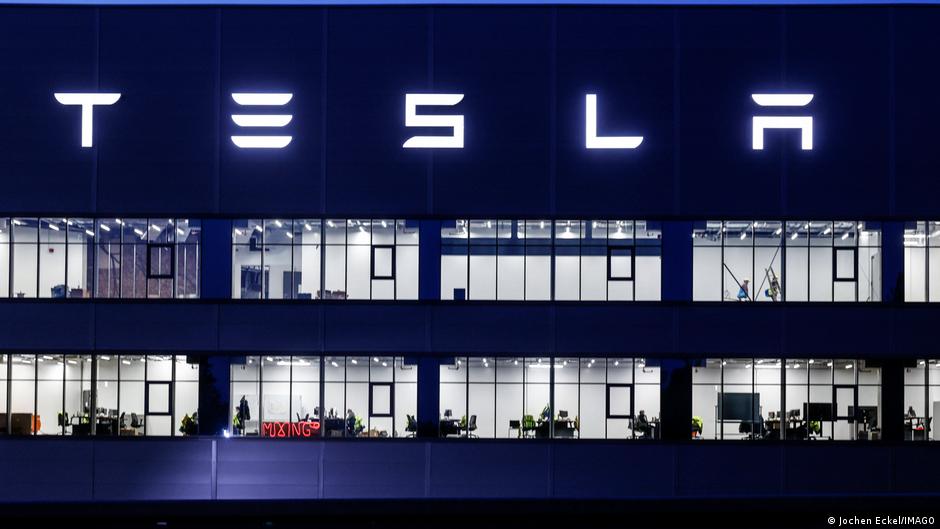
Foreign direct investment into Germany rose sharply in 2025, reaching 86 billion euros, a 50% increase from the previous year, according to the German Economic Institute (IW) in Cologne. For households and small investors, the headline is not just about cross-border capital flows. A large swing in foreign investment can shape confidence in Europe’s biggest economy, influence business activity and, over time, affect wages, consumer sentiment and the appeal of German and broader European assets.
IW said on Monday, August 31, that foreign direct investment into Germany increased by half in 2025 after a particularly weak 2024, when such inflows had fallen by 32%. The institute cautioned that direct investment flows can vary significantly from year to year. Large individual transactions can heavily affect annual totals, and figures are often revised later, either upward or downward.
“Direct investment flows differ from year to year. Their total can change because of individual large operations,” IW experts said, adding that data are frequently revised after the fact.
Even with that warning, the 2025 figure still points to a stronger investment environment than the recent historical norm. IW said that compared with the median level for the period from 2015 to 2024, foreign investment in Germany in 2025 was up 11%.
For consumers, that matters because foreign direct investment usually reflects how companies view a country’s long-term prospects. While it does not translate directly into lower grocery bills or cheaper mortgages, it can feed into the broader economic backdrop that shapes employment, corporate expansion and market sentiment. A stronger investment picture can also influence how ordinary savers think about exposure to Germany, the euro area and companies tied to domestic demand.
Where the money is coming from is changing
The more striking shift in IW’s report is not only the overall increase, but the changing source of the capital. U.S. companies invested much less money in Germany in 2025, while British firms sharply increased their commitments.
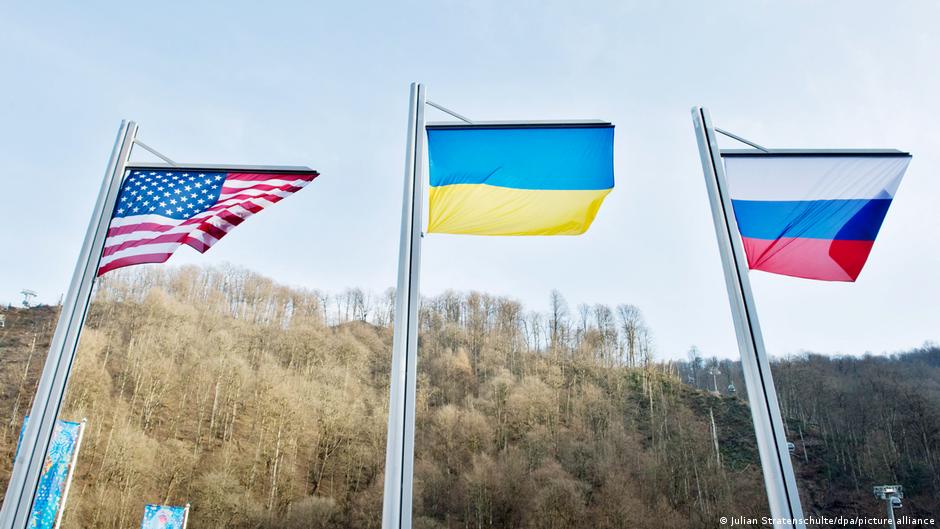
According to IW, investment from U.S. companies fell by 44% to 11.8 billion euros in 2025. As a result, the U.S. share of total foreign investment in Germany dropped from 36% to 14%. For market watchers, that is a notable rebalancing. American investors have long been closely watched as a source of foreign capital in major European economies, and a pullback can prompt questions about sector preferences, relative growth expectations and corporate strategy.
At the same time, British companies moved in the opposite direction. Their investment in Germany jumped by 284% to 26 billion euros. That gave the United Kingdom a 31% share of total foreign investment in Germany in 2025, making Britain one of the most significant drivers of the year’s rebound.
For households following pension funds, retail portfolios or European equity markets, such shifts can matter less for immediate spending power than for the tone of the investment landscape. A larger role for British capital and a smaller one for U.S. capital does not by itself mean better or worse outcomes for consumers. But it does suggest that international investors are reassessing where they want exposure, and that can influence the sectors and companies that attract money inside Germany.
IW also said investment from China, Chile and Saudi Arabia increased. Even so, those countries still play only a minor role in the overall volume of foreign investment in Germany. That means the bigger story remains concentrated in Europe, the United States and the United Kingdom rather than in newer pools of capital.
Why this could matter to ordinary savers
The largest share of foreign investment into Germany still comes from other European Union countries. In 2025, investment from fellow EU states fell by 2.7% from the previous year to 43 billion euros. Even with that decline, EU capital still accounted for half of all foreign investment in Germany.
That is an important detail for consumers because it underscores Germany’s central role inside the European economic system. When half of foreign capital comes from within the EU, it suggests that Germany remains tightly linked to the region’s corporate and financial networks. For savers, that can reinforce the case that developments in Germany are not isolated national stories but part of the broader picture for euro-area growth, business confidence and investment returns.
There is also a cautionary note. IW’s own explanation makes clear that foreign direct investment figures should not be read like a simple scorecard. One large transaction can distort a yearly total, and later revisions can change the picture. Consumers and everyday investors therefore should be careful about treating the 2025 jump as a definitive turning point.
Still, the rebound after a deep 2024 slump is difficult to ignore. A 50% rise to 86 billion euros, combined with an 11% increase over the 2015-2024 median, points to a stronger year for foreign capital entering Germany. For households, the practical takeaway is indirect but relevant: stronger investment can support a more stable economic outlook, while changes in the origin of that money can offer clues about how international businesses are repositioning themselves in Europe.
For anyone tracking personal finances, retirement savings or European market exposure, Germany’s foreign investment rebound is less a pocketbook event than a signal. It suggests renewed corporate interest in Europe’s largest economy, but also a changing map of who is placing the biggest bets.