German President Steinmeier Urges Europe to Counter Ruthless Global Powers Amid Economic Challenges
Steinmeier highlights the need for a stable international order and calls for patience with Germany’s social reforms to restore economic growth and trust.
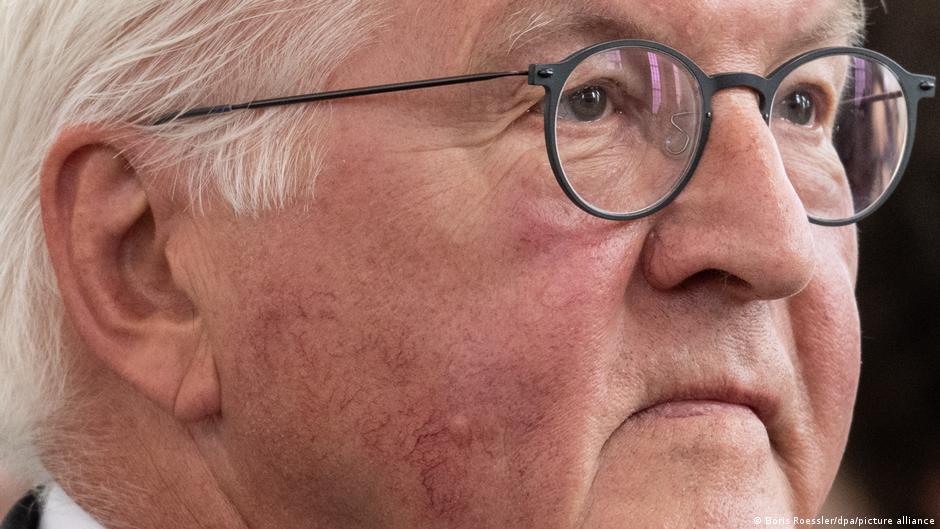
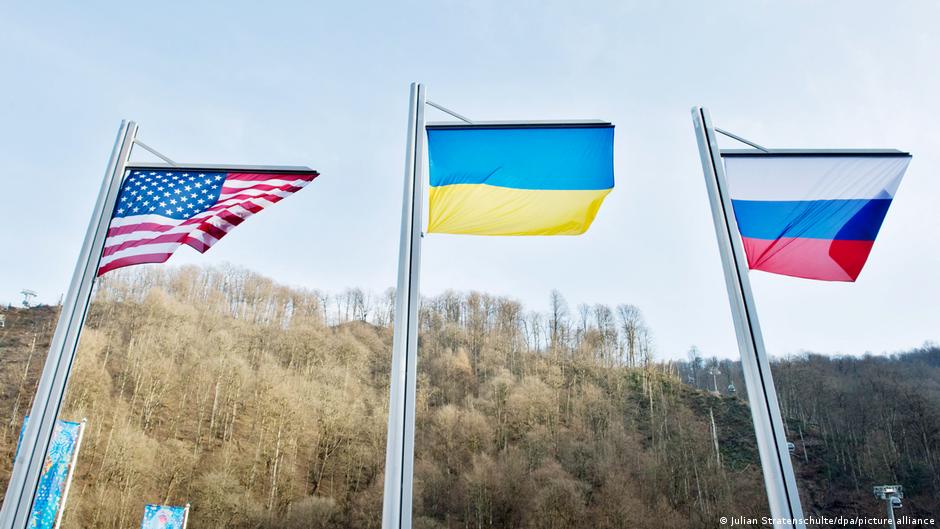
In a recent summer interview with ZDF, German President Frank-Walter Steinmeier emphasized the importance of Europe responding firmly to the "new spirit of ruthlessness" he attributes to both Russia and the United States. This geopolitical shift, he warned, is reshaping the global order and directly impacts economic stability, household finances, and consumer confidence across Europe.
Economic Implications for Households and Investors
Steinmeier pointed to the dual upheaval caused first by Russia’s invasion of Ukraine and subsequently by a shift in U.S. values, describing these events as a "double epochal fracture." This has led to heightened global uncertainty that trickles down to everyday citizens through volatile currencies, fluctuating energy prices, and disrupted supply chains.
"We cannot mimic the behavior of great powers; instead, we need international law and order," Steinmeier stated, underscoring the need for predictability in economic and political relations.
For German households and consumers, these geopolitical tensions translate into increased living costs and cautious saving behavior. Inflationary pressures, driven by energy market volatility linked to the conflict and sanctions, have squeezed disposable incomes, compelling many to adjust budgets and delay investments.
Steinmeier’s call for Europe to uphold a rules-based international system aims to stabilize markets and foster conditions conducive to economic growth. Without such stability, everyday investors face greater risks amid currency fluctuations and uncertain returns, complicating retirement planning and wealth preservation.
Social Reforms and Economic Growth Prospects
The German president also addressed domestic economic policy, praising a significant social reform package unveiled in early July by Chancellor Friedrich Merz’s coalition government. He described the reforms as "something important," acknowledging their potential to strengthen social safety nets and support households grappling with inflation.
However, Steinmeier emphasized that the success of these policies hinges on their ability to spur sustainable economic growth. Without such growth, he warned, the government risks losing public trust and respect, which are crucial for long-term stability.
He urged patience and perseverance during the reform implementation, highlighting that immediate effects may be limited but long-term benefits essential for restoring confidence among consumers and investors.
The Rise of Populism and Its Economic Consequences
Addressing the political landscape, Steinmeier expressed concern over the rising popularity of the far-right Alternative for Germany (AfD) party, especially in eastern German states like Saxony-Anhalt. While he noted that polls do not guarantee election outcomes, he stressed the importance of central parties preventing extremist majorities.
The growth of populist movements often correlates with economic dissatisfaction, which can further unsettle markets and consumer confidence. For households already feeling the pinch from inflation and geopolitical unrest, political instability adds another layer of uncertainty affecting spending and investment decisions.
Steinmeier reminded voters that upcoming state elections in Saxony-Anhalt, Berlin, and Mecklenburg-Vorpommern represent critical moments for preserving democratic stability, which underpins economic security.
Ultimately, Steinmeier’s message to European citizens and policymakers is clear: maintaining a rules-based international order and successfully implementing social reforms are vital to protecting household budgets, stabilizing currencies, and supporting everyday investors amid challenging global dynamics.