EU May Withdraw €2 Million Funding from Venice Biennale Over Russia's Participation
The European Commission recommends cutting subsidies to the Venice Biennale due to the inclusion of the Russian pavilion, highlighting implications for EU cultural funding and taxpayer money.
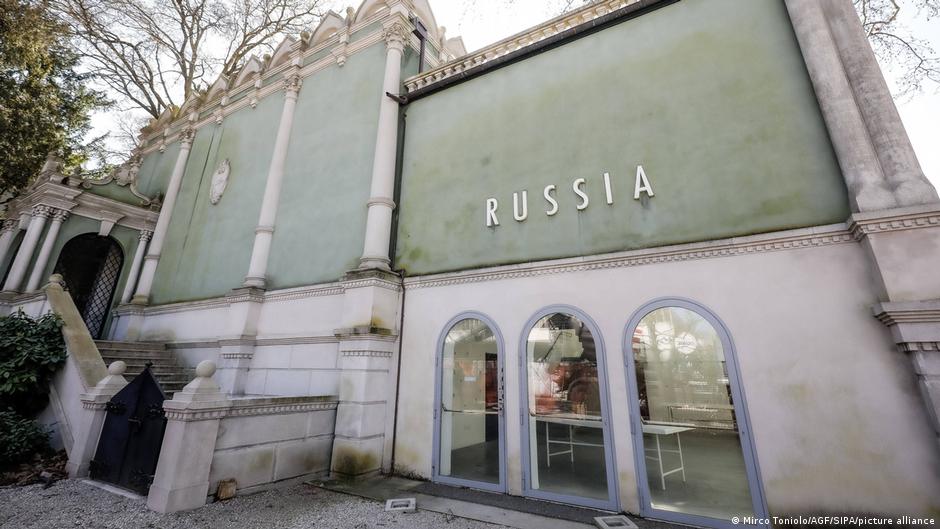
The European Commission has officially recommended that the European Education and Culture Executive Agency (EACEA) withdraw €2 million in funding from the Venice Biennale following Russia's readmission to the prestigious cultural event. This development underscores the complex balancing act between cultural diplomacy and political sanctions, with direct ramifications for EU taxpayer-funded programs.
Impact on EU Funding and Cultural Policy
Henna Virkkunen, the European Commission’s Executive Vice-President for Technology Sovereignty, Security, and Democracy, stated that the decision was made after careful evaluation of the Venice Biennale organizers' justification for reopening the Russian pavilion. “Culture in Europe—financed by taxpayers’ money—must promote and protect democratic values. These values are currently not respected in modern Russia,” Virkkunen noted.
The recommendation follows significant political and public backlash against Russia's participation in the 2026 edition of the Biennale, marking its first involvement since Russia’s full-scale invasion of Ukraine. The presence of the Russian pavilion was met with protests from activist groups such as Femen and Pussy Riot, further fueling controversy.
“Participation of Russia violates EU sanctions, as the pavilion is funded by the Russian government, which indirectly supports the Kremlin economically,” a commission official remarked.
EU Foreign Affairs Chief Kaja Kallas had already expressed the intention to reduce funding to the Venice Biennale over Russia’s reinstatement. By early May, the European Commission issued a formal warning to both the Italian government and the Biennale organizers, emphasizing that Russia’s involvement contravenes EU sanctions regulations. The letter pointed out that since the pavilion is government-controlled, its financing equates to indirect economic support of the Kremlin, conflicting with EU policy.
Meanwhile, the President of the Venice Biennale, Pietrangelo Buttafuoco, defended the decision to allow Russia's participation by citing a commitment to freedom of speech, adding complexity to the debate between cultural freedom and geopolitical accountability.
Consequences for Households and Everyday Investors
While this dispute may seem distant from everyday finances, it highlights broader concerns about how geopolitical conflicts influence the allocation of public funds and cultural investments within the EU. The €2 million subsidy cut reflects a reconsideration of how taxpayer money is used, potentially redirecting funds away from cultural programs with controversial participants.
For European households, such decisions affect budget priorities at both the governmental and local levels. Reduced cultural funding could lead to fewer public events or increased pressure on national budgets, which in turn can impact subsidies, local employment in the arts sector, and tourism revenue linked to international exhibitions.
Currency markets and investors are also indirectly affected. Geopolitical tensions that influence EU funding decisions can contribute to economic uncertainty, affecting the euro’s stability and investor confidence in European assets. Cultural programs like the Venice Biennale, often supported by public and private investment, form part of a broader ecosystem where politics and economics intersect.
In conclusion, the withdrawal of European Union funding from the Venice Biennale due to Russia’s participation demonstrates how political conflicts permeate cultural and economic realms. For consumers and investors, it serves as a reminder of the interconnectedness of global affairs with personal finances and public spending priorities.