Nighttime Missile Strikes in Kyiv Impact Civilian Safety and Regional Stability
Missile attacks in Kyiv cause injuries and infrastructure damage, with wider economic effects influencing household budgets and fuel markets in the region.
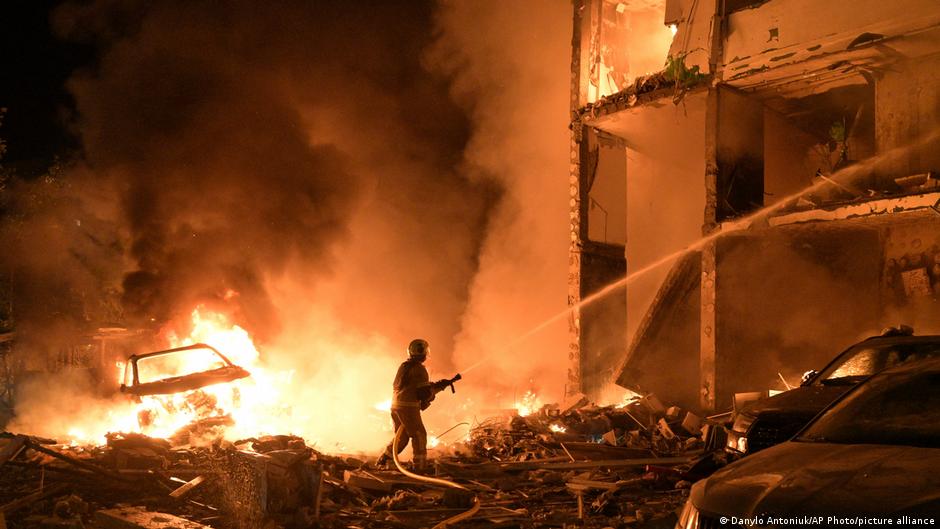
In the early hours of July 10, Kyiv experienced a series of ballistic missile strikes launched by Russian forces, resulting in injuries to at least six civilians and significant damage to critical infrastructure. The attacks occurred without prior air raid warnings, amplifying risks to residents and raising concerns about the broader economic fallout for households and consumers in Ukraine and neighboring regions.
Impact on Civilians and Infrastructure
The first explosions were reported around 03:38 local time, affecting multiple districts including Darnytskyi, Solomianskyi, Sviatoshynskyi, and Dniprovskyi. Notably, a transformer substation caught fire in the Darnytskyi district, while other strikes hit office and non-residential buildings across the city. Emergency services treated three victims on-site and hospitalized three others, according to Kyiv's mayor Vitali Klitschko.
"The missile attacks struck key infrastructure under cover of darkness, exacerbating risks to civilian lives and disrupting essential city services," the mayor stated.
May and June 2026 marked the deadliest months for civilians since the escalation of the conflict, with United Nations monitoring missions confirming hundreds of deaths and thousands of injuries from similar attacks. The trend continued into July, underscoring the persistent humanitarian toll of ongoing hostilities.
Economic and Consumer Consequences
Beyond the immediate human cost, the strikes contribute to regional instability that directly affects household finances and consumer markets. In particular, attacks on industrial and energy facilities—such as the intensified drone strikes on Russian oil refineries—are worsening fuel shortages and price volatility.
Ukrainian President Volodymyr Zelensky has characterized these strikes as "long-range sanctions," aiming to pressure Moscow economically by exacerbating a gasoline crisis inside Russia. This energy disruption ripples through markets, raising fuel costs that burden consumers on both sides of the conflict and complicate transportation and logistics for everyday Ukrainians.
The impact on currency stability and savings is also notable. Heightened uncertainty and risk often lead to inflationary pressures and currency depreciation, eroding household purchasing power and discouraging investment among everyday citizens. For many, these conditions necessitate tighter budgeting and reallocation of savings to cover essential needs such as fuel, food, and utilities.
Despite these challenges, Ukrainian leadership signals intent to continue these pressure tactics, with plans to establish a dedicated command within the armed forces to sustain the strategic targeting of Russian economic interests. Conversely, Kremlin sources indicate a firm stance on escalating military objectives, particularly regarding control of the Donbass region, which may prolong instability and associated economic disruption.
Outlook for Households and Investors
The persistence of conflict-driven shocks to infrastructure and energy supplies underscores the importance of cautious financial planning for households in Ukraine and affected neighboring economies. Consumers may face increased costs for fuel and essential goods, while savings and investment returns could be undermined by currency volatility and inflation.
Investors and financial advisors are monitoring developments closely, emphasizing portfolio diversification and liquidity to navigate the heightened risk environment. Meanwhile, policymakers are challenged with addressing urgent humanitarian needs while stabilizing economic fundamentals to protect vulnerable populations.
In summary, the recent missile strikes in Kyiv represent not only a tragic human toll but also a significant economic stressor affecting everyday consumers, household budgets, and regional market dynamics amid an ongoing conflict.