US Strikes on Iran Close Strait of Hormuz, Impacting Global Oil and Household Budgets
Renewed US-Iran conflict shuts critical oil route, threatening fuel prices and savings worldwide.
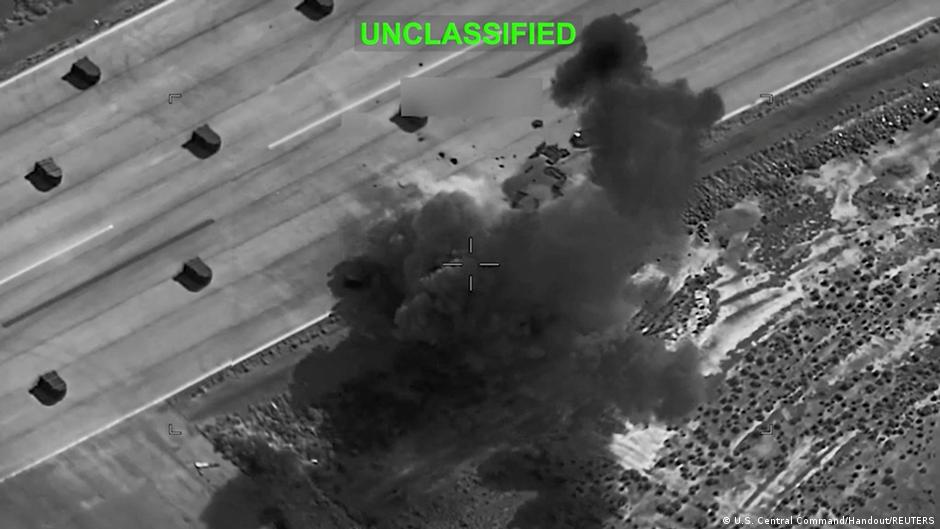
The recent escalation of US military strikes against Iran has led to the closure of the Strait of Hormuz, a strategically vital waterway responsible for the passage of about 20% of the world's oil trade. This development directly affects global energy supplies and could have significant consequences for household budgets and everyday consumers worldwide.
What Is Happening in the Strait of Hormuz?
On July 12, the US Central Command (CENTCOM) announced a third wave of military strikes against Iranian targets within a week. These strikes followed an attack on the container ship GFS Galaxy, flying the Cypriot flag, which was navigating through the Strait of Hormuz. American officials reported that the ship suffered a fire and damage to its engine room, rendering it unable to continue its voyage and leaving one crew member missing.
Iran’s Islamic Revolutionary Guard Corps (IRGC) acknowledged firing warning shots at the vessel, accusing it of deviating from Iran-approved navigation routes and disabling its tracking systems. The IRGC also declared the Strait of Hormuz closed until US interventions in the region cease, threatening further attacks on American bases if strikes continue.
“Iran was given another chance to comply with the Memorandum of Understanding but failed; the US continues to degrade Iran’s ability to threaten civilian shipping through the strait.” – CENTCOM statement
The Strait of Hormuz is a crucial chokepoint for global energy markets, through which nearly one-fifth of all seaborne oil shipments pass. Any disruptions here quickly ripple into global oil prices, impacting fuel costs, inflation rates, and consumer spending worldwide.
Economic and Consumer Implications
With the Strait of Hormuz effectively closed, global oil supply risks tightening, which commonly triggers higher crude prices. Increased fuel and energy prices often translate into higher gasoline costs, heating bills, and transportation expenses that directly affect household budgets. For consumers, this can mean less disposable income available for other essentials or discretionary spending.
Moreover, uncertainty in oil markets tends to influence currency valuations and stock markets, including investments in energy companies and commodities. Everyday investors with retirement accounts or mutual funds exposed to energy sectors may face increased volatility. Savings rates can be indirectly impacted as inflationary pressures mount.
Despite a framework agreement signed on June 17 between the US and Iran to reduce hostilities and reopen the strait, recent drone attacks and retaliatory US strikes have undone progress. US President Donald Trump has declared the prior memorandum void and reinstated oil sanctions against Iran, further straining the situation.
The Broader Context and Outlook
This conflict extends beyond military engagements and touches upon global economic stability. The strait’s closure exemplifies how geopolitical tensions can swiftly translate into real-life impacts on consumers and investors. Households should prepare for potential increases in energy costs and budget accordingly. Investors might consider diversifying portfolios to mitigate risks tied to oil market volatility.
Ongoing diplomatic talks, as reported, suggest some Iranian officials acknowledge the mistakes leading to renewed conflict, which might open a path toward de-escalation. However, until stability returns, consumers worldwide are likely to feel the financial ripple effects.