Escalating US-Iran Conflict in Strait of Hormuz Threatens Global Energy Prices and Household Budgets
New US strikes on Iran heighten tensions in the Strait of Hormuz, risking disruptions to oil trade and inflating consumer energy costs worldwide.
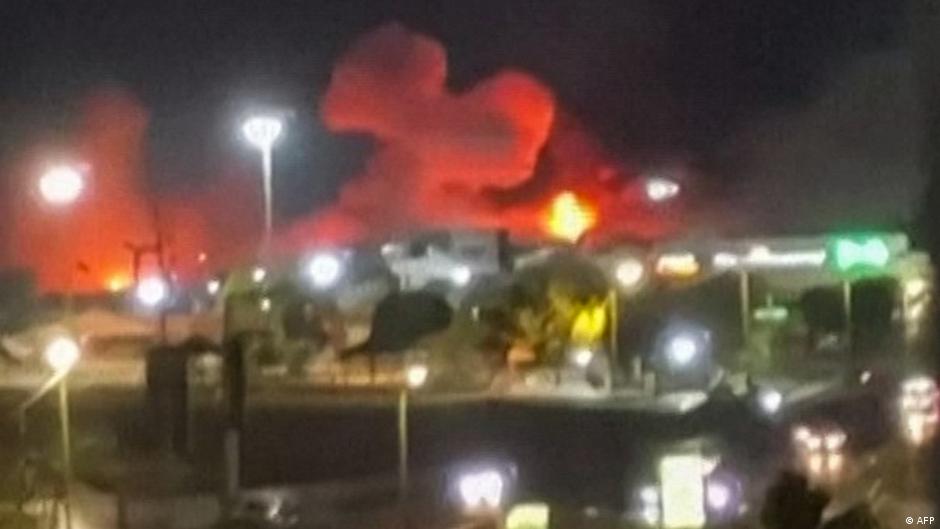
The recent military confrontation between the United States and Iran in the strategically critical Strait of Hormuz has raised concerns about rising energy prices and financial strain on household budgets globally. The US military conducted fresh strikes targeting Iranian military facilities to undermine Tehran's ability to threaten commercial shipping in the vital waterway, a key artery for approximately 20 percent of the world's oil trade.
Impact on Global Oil Supply and Consumer Costs
On July 13, the US Central Command announced a new wave of airstrikes aimed at inhibiting Iran's capacity to attack civilian maritime vessels passing through the Strait of Hormuz. This move follows escalating Iranian assaults on Gulf countries and vessels, including attacks on commercial ships deemed off-route by Iran.
"The Supreme Commander authorized these strikes to contain the Iranian regime," stated US military officials, emphasizing their intent to protect free navigation through the Strait.
Iran’s Islamic Revolutionary Guard Corps (IRGC) retaliated by declaring the Strait closed until US military interventions cease, a claim disputed by US authorities who affirmed that shipping continues uninterrupted. Nonetheless, the heightened military activity in one of the world's most critical oil transit corridors fuels concerns over potential supply disruptions.
Energy market volatility directly influences household budgets and everyday investors. Any threat to oil flow through the Strait often triggers spikes in global oil prices, which cascade into higher gasoline, heating, and electricity costs for consumers. These price surges erode disposable income, strain savings, and increase inflationary pressures, particularly impacting lower- and middle-income families.
Broader Economic Ramifications and Investor Considerations
The ongoing conflict follows a fragile tentative agreement signed on June 17, which aimed to halt hostilities and unblock the Strait but collapsed amid renewed Iranian attacks and US counterstrikes. US President Donald Trump has denounced the memorandum, reinstated sanctions on Iran’s oil sector, and adopted a hardline stance that complicates diplomatic solutions.
For everyday investors, the instability in the Gulf region underscores the risks inherent in energy and commodity markets. Rising oil prices can benefit energy sector investments but may also trigger inflation and market volatility, affecting other asset classes. Currency markets can respond to geopolitical tensions, influencing exchange rates and cross-border financial flows.
Households should consider the conflict’s potential to increase living costs and reassess budgets accordingly, perhaps prioritizing energy efficiency and diversifying savings and investments to mitigate geopolitical risks.
Looking Ahead
Despite ongoing negotiations, recent talks between US and Iranian officials yielded no breakthrough, with both sides blaming uncontrolled elements for continued hostilities. Until a stable resolution is reached, the persistence of military actions in the Strait of Hormuz will likely continue to unsettle global energy markets and strain personal finances worldwide.
Consumers and investors alike are advised to monitor developments closely, as the stability of this crucial maritime passage remains a linchpin for energy security and economic stability.