NATO Considers Expanding Nuclear Deterrence in Europe Amid Rising Security Concerns
Plans to deploy additional tactical nuclear weapons in Finland, Poland, and Lithuania could impact European household economies and currency stability.
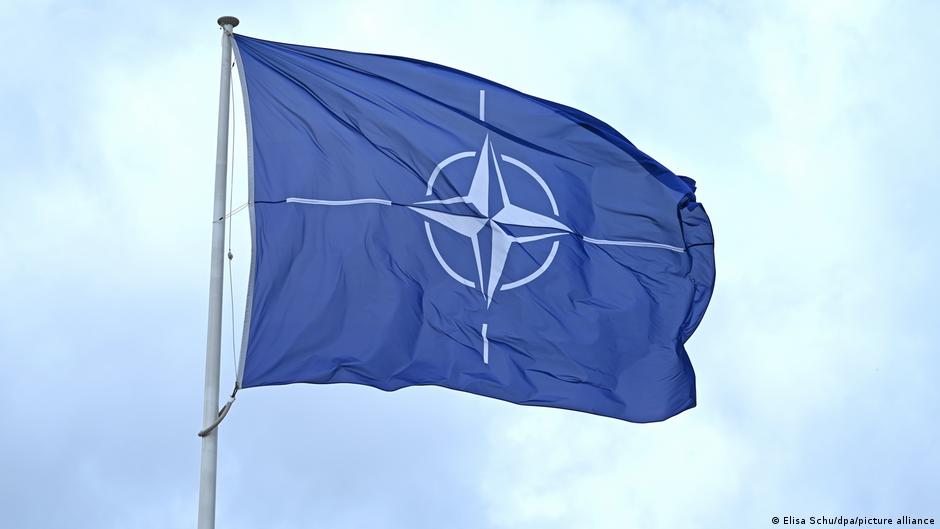
NATO allies are exploring plans to strengthen nuclear deterrence in Europe by potentially deploying additional tactical nuclear weapons in Finland, Poland, and Lithuania. This development comes amid heightened security tensions and has broader implications for European households, savings, and currency markets.
Potential Economic and Financial Impact on Households
The discussions around expanding NATO's nuclear footprint aim to counter perceived threats from Russia. While the immediate focus is military, the ripple effects will likely extend into consumer markets and personal finances. Increased geopolitical tensions often translate into greater economic uncertainty, which can affect everyday investors and household budgets across the continent.
Tactical nuclear weapons, unlike strategic nuclear arms, are designed for use against military targets such as troops, airbases, ports, and command centers. Delivered via fighter jets or cruise missiles, these weapons are less powerful but increase the stakes of regional security. The prospect of nuclear deployments in new countries may influence investor sentiment, potentially prompting increased volatility in currency and stock markets.
Households may see indirect effects through inflationary pressures or shifts in energy prices, which tend to be sensitive to geopolitical risks. For example, any escalation in tensions could disrupt supply chains or provoke market reactions that impact fuel, food, and commodity costs, directly affecting consumer expenses and savings.
“We must ensure that no one can launch a nuclear strike against us without facing a response,” said NATO Secretary General Mark Rutte, underscoring the alliance's commitment to deterrence amid growing uncertainty.
Currently, about 100 American B61-12 nuclear bombs are stationed across six airbases in five NATO countries: Germany, Belgium, Italy, the Netherlands, and Turkey. These weapons are part of NATO's Nuclear Sharing program, which allows allied countries to participate in nuclear planning and deployment.
Recent legislative changes in Finland have lifted previous bans on the import and stationing of nuclear weapons, becoming effective from July 1, reflecting the nation's strategic repositioning in response to regional security challenges. Meanwhile, Lithuania’s leadership has expressed readiness to participate in NATO's nuclear deterrent system, although no immediate plans exist to deploy nuclear arms on its territory during peacetime.
For European consumers and investors, the evolving security landscape underscores the importance of prudent financial planning and diversification to mitigate risks associated with geopolitical volatility. Currency fluctuations and market instability could affect retirement savings, investment portfolios, and everyday costs, making economic resilience a priority for households.
In summary, NATO's potential expansion of tactical nuclear weapons in Europe is a critical geopolitical development with far-reaching consequences beyond defense. It highlights the interconnectedness of security policy and personal finance, emphasizing how global military decisions can affect the economic well-being of millions of Europeans.