Russian Ballistic Missile Strikes on Kyiv Cause Fatalities and Damage, Impacting Consumer Security
At least nine dead and over twenty injured in Kyiv missile attacks, raising concerns over household safety and economic stability.
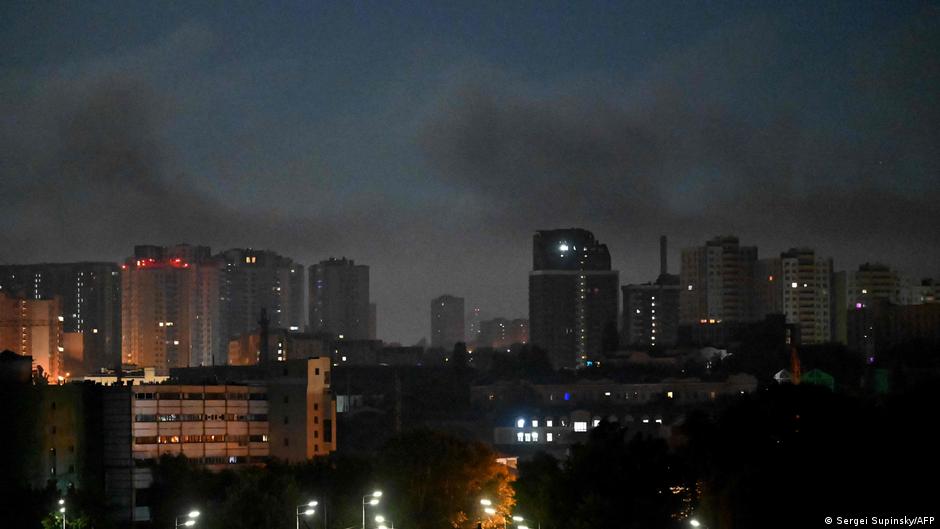
In the early hours of August 1, the Ukrainian capital, Kyiv, was struck by a series of Russian ballistic missile attacks, resulting in significant human casualties and property damage. This escalation not only threatens the immediate safety of residents but also poses notable risks to household budgets, local economies, and consumer confidence.
Impact on Households and Local Economy
The attacks, confirmed by the Kyiv City Military Administration, caused the deaths of at least nine people and injured 23 others, including teenagers aged 13 and 17. The missile strikes affected five districts of Kyiv, with damage to residential buildings, administrative offices, and industrial facilities.
In Solomensky district, two fatalities and eight injuries were reported, including two children. One incident involved partial destruction of a five-story residential building accompanied by a fire, while another saw multiple vehicles ablaze in parking areas. Emergency services evacuated 35 residents from upper floors, containing the fires to prevent further damage.
Similarly, the Darnytsky district suffered fires and structural damage in administrative and non-residential buildings. Seven fatalities and 14 injuries, including two children, were recorded. Firefighters successfully extinguished multiple vehicle fires and minimized infrastructural harm.
Beyond Kyiv’s city limits, a fire broke out at an industrial plant in Kyiv region due to the missile attack, injuring two individuals and emphasizing the broader economic risks posed to industrial operations and employment.
“Residents are urged to remain in shelters as Kyiv endures these ballistic missile attacks,” advised Kyiv’s mayor, underscoring ongoing security concerns for families and communities.
Financial and Consumer Implications
For households, these attacks have immediate and longer-term financial consequences. Destruction of homes and vehicles imposes unexpected expenses for repairs and replacements, often straining personal savings and insurance resources. The damage to administrative and industrial buildings also signals potential disruptions in employment and local service availability, impacting household incomes.
Moreover, the heightened security risks contribute to economic uncertainty, potentially influencing currency stability and inflation rates. Ukrainian families face increased living costs as supply chains and production facilities suffer interruptions. For everyday investors, the conflict exacerbates market volatility, complicating financial planning and asset management.
These developments highlight the importance of emergency preparedness, insurance coverage, and diversified savings strategies for consumers in conflict-affected regions. Economic resilience becomes crucial as residents navigate the combined pressures of security threats and financial challenges.