Russian Attacks on Black Sea Trade Routes Threaten Global Food Prices and Household Budgets
Ukraine urges UN Security Council emergency meeting as Russian strikes on civilian ships raise concerns over rising consumer costs worldwide.
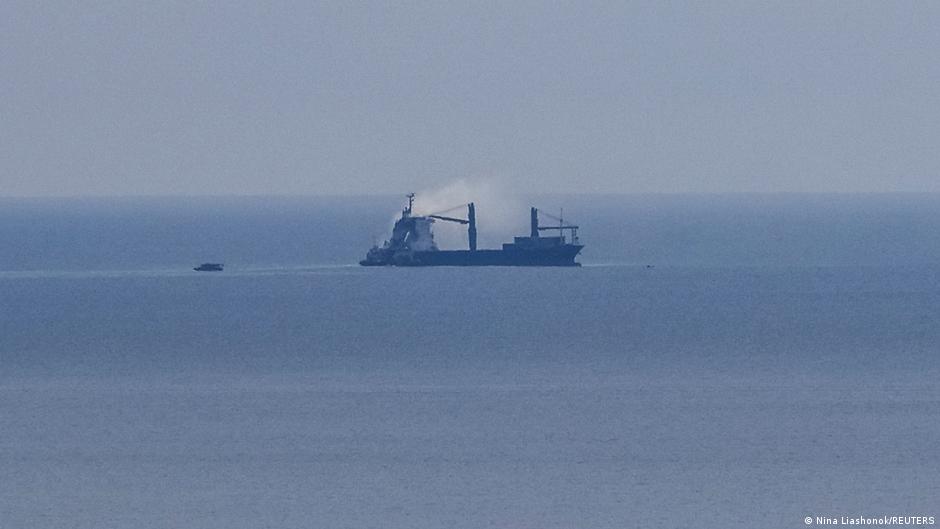
Russian attacks on civilian merchant vessels in the Black Sea are creating significant disruptions to global trade, posing risks to household budgets and consumer prices across multiple regions. Ukraine has condemned these actions as "economic and humanitarian terror" and has called for an emergency meeting of the United Nations Security Council to address the crisis.
Impact on Trade and Consumer Prices
Ukraine's Foreign Minister, Andriy Sybiha, announced that Kyiv requested the urgent convening of the UN Security Council on July 27, in response to Russia's attacks on commercial shipping in the Black Sea. These attacks threaten to block essential trade routes, which are critical for the transportation of goods, including food supplies.
"If this terror continues, millions of families in Africa, Asia, the Middle East, and Latin America may face rising prices and hunger," warned Sybiha.
The disruption of maritime trade corridors risks driving up the costs of imported goods and foodstuffs, putting additional pressure on household budgets globally, especially in vulnerable regions dependent on Black Sea grain exports. Consumer inflation could accelerate, reducing disposable incomes and savings for everyday families.
Maritime Security and International Response
Sybiha discussed the situation extensively with international partners, including Germany's Foreign Minister Johann Wadephul and Estonia's Foreign Minister Margus Tsahkna. The talks focused on restoring freedom of navigation, enhancing maritime security, and mobilizing a firm international response to the ongoing threats.
Despite Russian claims that Ukraine is transporting weapons disguised as civilian cargo, Ukrainian authorities reported that at least three civilian cargo ships have been attacked by Russia in recent days, severely disrupting Black Sea trading activities.
Ukraine's Ministry of Infrastructure confirmed that the port of Chornomorsk, a key hub in the Greater Odessa port complex, continues to operate normally. This port handles a significant share of Ukraine's export and import cargo, ensuring that, for now, the maritime corridor remains functional and international contracts are being honored.
However, on July 22, no vessels passed through the Ukrainian maritime corridor, highlighting the growing operational risks and uncertainties for shipping companies and traders. This disruption has direct implications for supply chains and consumer prices, as delays and increased transportation risks typically translate into higher costs.
Broader Economic Consequences
Russia's aggressive tactics in the Black Sea also include targeting Ukraine's "shadow fleet" — vessels operating under Russian control — with Ukrainian unmanned systems reportedly striking 70 ships in the Black Sea and 126 in the Sea of Azov between July 6 and 22.
These maritime confrontations exacerbate instability and unpredictability in regional trade, further impacting global commodity markets. For consumers worldwide, this means higher prices for essential goods, reduced availability of certain products, and greater volatility in currency and savings as markets react to geopolitical risks.
Households in import-dependent countries may face tighter budgets as inflation rises, while everyday investors could see increased market volatility linked to these geopolitical tensions. The ongoing conflict underscored the interconnectedness of international security and personal financial well-being in today's global economy.