Germany Announces Record NATO Defense Spending, Impacting Household Budgets and Economy
Germany plans a 25.5% increase in defense spending for 2026, raising concerns for consumer finances and national debt levels.
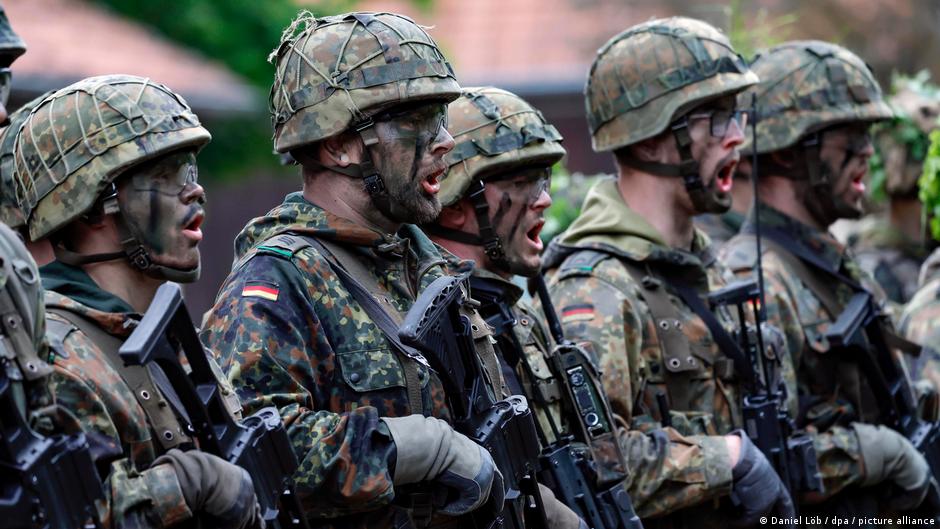
Germany has revealed plans to increase its defense spending to a record €124.7 billion in 2026, marking a 25.5% rise compared to the previous year’s €99.3 billion. This announcement, timed with the NATO summit in Ankara, highlights the growing financial commitments European countries are making to meet alliance defense targets, but it also raises important questions about the impact on household budgets, government debt, and everyday investors.
Economic and Household Financial Implications
The proposed defense budget increase translates to Germany allocating approximately 2.69% of its Gross Domestic Product (GDP) to military expenditures, up from 2.22% in 2025. This significant rise necessitates the issuance of over €200 billion in government bonds in 2027 alone, a 12.5% increase from the current year, according to German Finance Ministry forecasts reported by the Financial Times. Overall, Germany aims to borrow more than €800 billion by 2030 to fund its defense expansion.
Such massive borrowing to finance defense may place upward pressure on interest rates and could crowd out other public spending priorities, potentially affecting social services or infrastructure projects. For households, this could translate into higher taxes or reduced public benefits in the medium term. Additionally, increased government debt issuance might influence the bond market, creating ripple effects for personal investors holding government securities or pension funds invested in them.
Moreover, as government spending shifts towards defense, consumer confidence and disposable income could be impacted if fiscal tightening measures follow. The increased demand for borrowing by the government might also affect the euro’s strength, influencing import prices and household costs.
“Only last year, European allies and Canada increased defense spending by nearly 20%, adding $139 billion, with Germany’s share a key driver of this growth,” NATO Secretary General Jens Stoltenberg remarked, emphasizing the alliance-wide trend.
This surge in defense investment is largely motivated by geopolitical concerns and the desire to meet NATO’s defense spending benchmarks. However, consumers should be aware that these national security priorities come with financial trade-offs that may influence everyday expenses and savings capacity.
NATO Spending Targets and Broader Context
NATO members agreed in 2022 to raise defense spending to at least 3.5% of GDP by 2035, with an additional 1.5% for related defense expenditures. Currently, only five NATO countries—Greece, Poland, Latvia, Lithuania, and Estonia—are projected to meet a higher 5% GDP target in 2024. Germany’s move to increase spending aligns with these targets but also highlights the disparity within the alliance, with some countries like Belgium, Spain, and the Czech Republic remaining at around 2% of GDP in defense budgets.
The United States remains the largest defense spender by far, with an estimated $850 billion (approx. €745 billion) allocated in 2026, outpacing all other NATO partners combined. Germany ranks fourth worldwide in defense expenditure, behind the US, China, and Russia.
For everyday consumers and investors in Germany and across Europe, these developments underline a shifting economic landscape where national security priorities are increasingly shaping fiscal policies. The anticipated rise in government borrowing to fund defense may affect interest rates, currency valuations, and ultimately, household financial health.