Cuba’s Nationwide Blackout Deepens Economic Strain on Households and Investors
Worsening power outages amid U.S. sanctions add pressure on Cuban households’ budgets and savings, while complicating economic reforms.
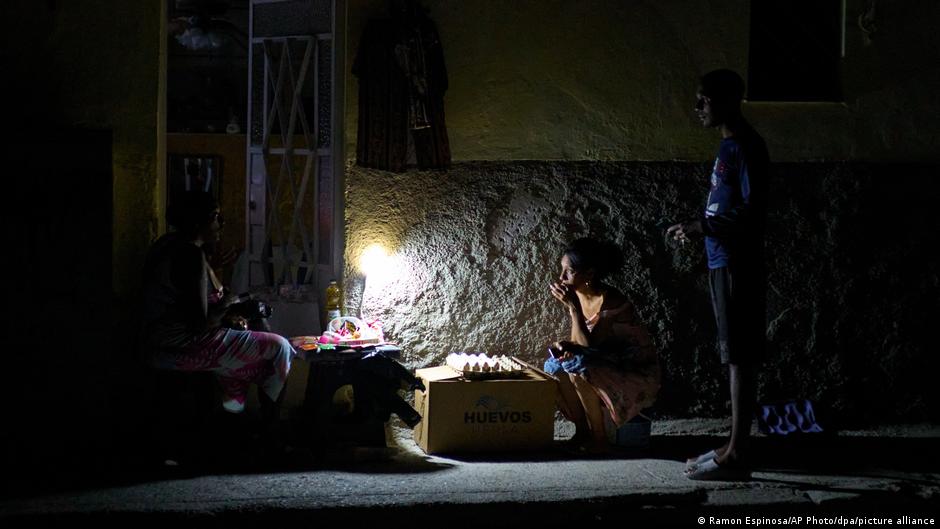
On July 6, Cuba experienced a complete nationwide blackout as its electrical grid failed, highlighting the deepening economic crisis the island nation faces amid escalating U.S. sanctions. The state-run utility company, Unión Eléctrica, confirmed the outage and announced that restoration efforts were underway, though the precise cause of the failure remains under investigation.
Impact on Household Budgets and Economic Stability
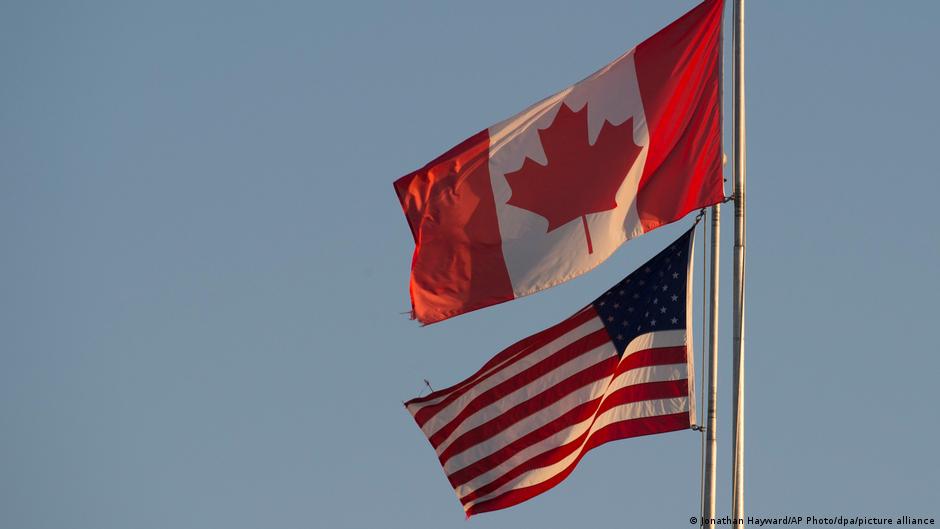
The blackout comes amid ongoing fuel shortages exacerbated by tightened U.S. restrictions on oil imports to Cuba. Since January 2026, the United States has limited Cuba’s oil deliveries to a single Russian tanker arriving in late March, providing 730,000 barrels of oil that ran out by May. As Cuba can internally supply only about 40% of its fuel needs, these constraints have significantly disrupted power generation.
For Cuba’s nearly 10 million residents, this means extended power outages that disrupt everyday life and strain household budgets. Frequent blackouts and scheduled power cuts lasting up to 24 hours force families to seek alternatives for cooking, refrigeration, and lighting, often relying on costly and unreliable private generators or purchasing goods that require refrigeration less frequently. These adjustments increase living costs for already cash-strapped households and reduce savings capacity.
"Regular blackouts and fuel shortages have made everyday essentials like electricity a scarce commodity, pushing families to spend more on alternatives and undermining financial stability," noted economic observers.
The ripple effects extend beyond individual households. Small business owners and local investors face interrupted operations, jeopardizing income streams and deterring private investment in a country already grappling with economic reforms. Cuba’s government has responded with sweeping reforms, including the largest partial privatization in 65 years, proposing nearly 200 market-oriented changes in June 2026 in an attempt to revive economic growth and lift the U.S. fuel blockade.
However, negotiations between the U.S. and Cuba appear stalled, with Washington seeking a regime change in Havana. This political deadlock complicates prospects for easing sanctions and securing more reliable energy supplies.
Meanwhile, the blackout and fuel shortages exacerbate inflationary pressures, affecting the Cuban peso’s stability and reducing the purchasing power of ordinary citizens. Currency depreciation further diminishes savings and complicates financial planning, particularly for middle- and low-income families.
As Cuba navigates this challenging intersection of political tensions and economic hardship, the immediate consequences for household finances and everyday investors highlight the broader risks posed by prolonged energy insecurity and geopolitical friction.