Germany’s 2027 Budget Plan Raises Borrowing and Defense Spending, Impacting Households and Investors
Germany’s government approves a 2027 budget with higher borrowing and defense expenditures, raising concerns for household finances and economic growth.
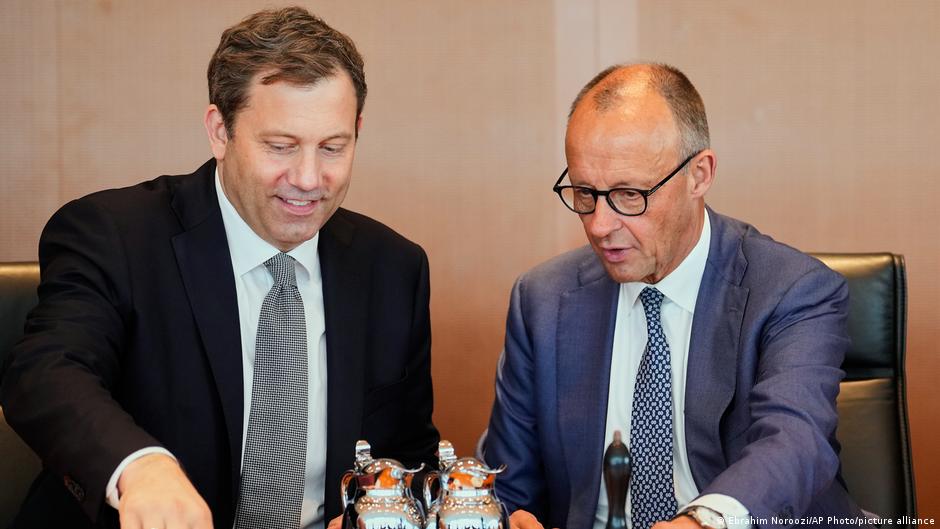
On July 6, the German government approved a draft federal budget for 2027 that forecasts a substantial increase in public spending and new borrowing. The plan, crafted by Finance Minister Lars Klingbeil, has sparked criticism over its growing defense allocations and the reallocation of funds from climate and transformation projects to the core budget.
Key Budget Figures and Their Impact on Households
The proposed budget sets total expenditures at €555.4 billion, marking nearly a 6% rise compared to the current year. New net borrowing is also slated to increase markedly, from €98 billion in 2026 to €118.7 billion in 2027. Such increased government debt levels will have implications for fiscal policy, interest rates, and ultimately household finances.
The largest portion of spending remains directed towards the Federal Ministry of Labour and Social Affairs, with €201.4 billion earmarked primarily for pension payments. This signals continued pressure on social welfare systems amid an aging population, which could influence future tax policies or social contributions, affecting disposable incomes.
The defense ministry stands as the second largest spending recipient, with its budget projected to surge 32.7% from €82.69 billion to €109.75 billion. This unprecedented jump aims to address perceived security threats from Russia. However, such a sharp increase in defense spending may limit funds available for other public investments and could pressure public debt servicing costs.
The Ministry of Transport is allocated €26.43 billion, the third largest share, which may support infrastructure projects but also competes with social and economic growth spending for government resources.
"We must catch up on three decades of underfunding that weakened our armed forces and do so in a very short time," stated Finance Minister Klingbeil, emphasizing security concerns as justification for higher defense outlays and borrowing.
Economic Growth and Household Financial Concerns
The draft budget has drawn criticism from key industry associations worried about its economic implications. The President of the Federation of German Industries (BDI), Tanja Gönner, warned that the planned increases in spending and borrowing could undermine economic growth. She called for policies that stimulate growth and enhance the efficiency of public spending.
Similarly, Helena Melnikov, head of the German Chamber of Commerce and Industry (DIHK), stressed that by 2030, 80% of the budget will be absorbed by social spending, defense, and debt interest payments. This scenario leaves little fiscal room for investments that drive economic expansion, which could ultimately dampen household income growth and savings potential.
For everyday investors and consumers, the expanded borrowing may lead to higher government debt servicing costs, potentially pushing up interest rates and affecting credit conditions. Increased defense spending could crowd out social and economic programs that support job creation and wage growth, impacting household budgets over the medium term.
With growing debt and reallocated funds from climate initiatives, the government's fiscal strategy raises questions about the balance between security priorities and long-term economic stability. Households may face higher taxes or constrained public services as a result, while investors should monitor how these fiscal policies influence market conditions and economic prospects.
As the Bundestag reviews the draft budget, policymakers will need to weigh the trade-offs between urgent security needs and sustainable economic growth, factoring in the direct and indirect effects on citizens' finances.