Germany Presses Ukraine to Factor Berlin’s Industry Into Aid Spending
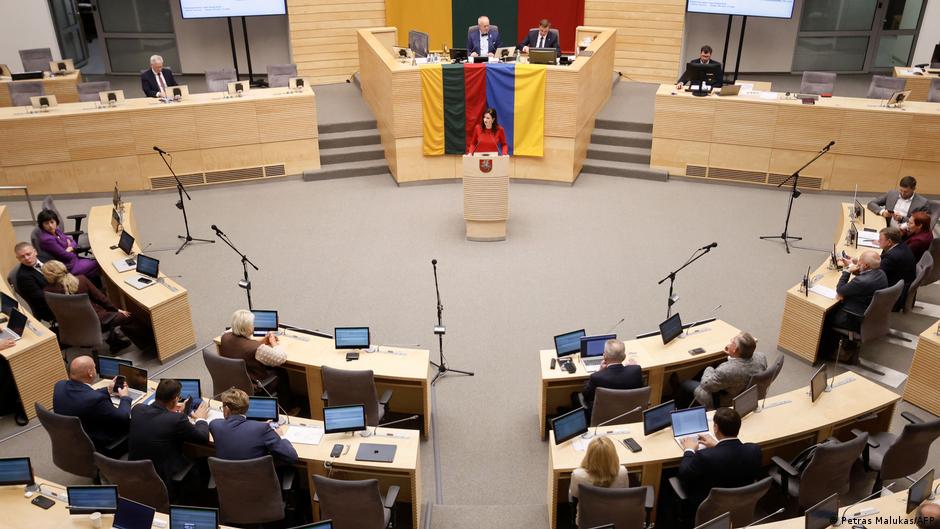
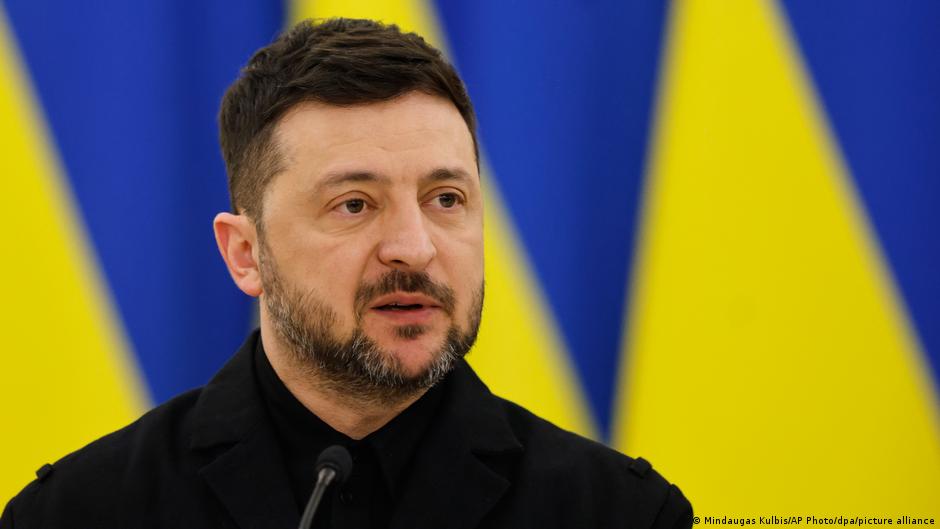
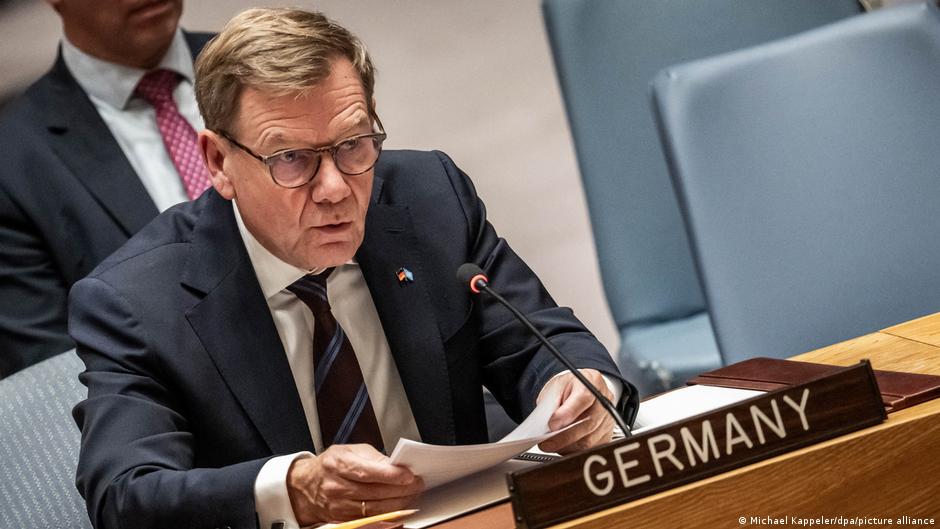
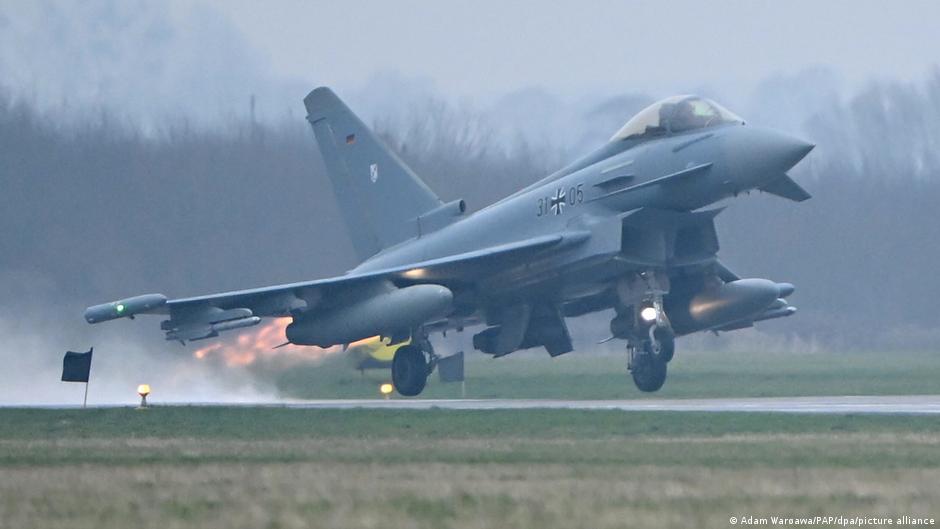
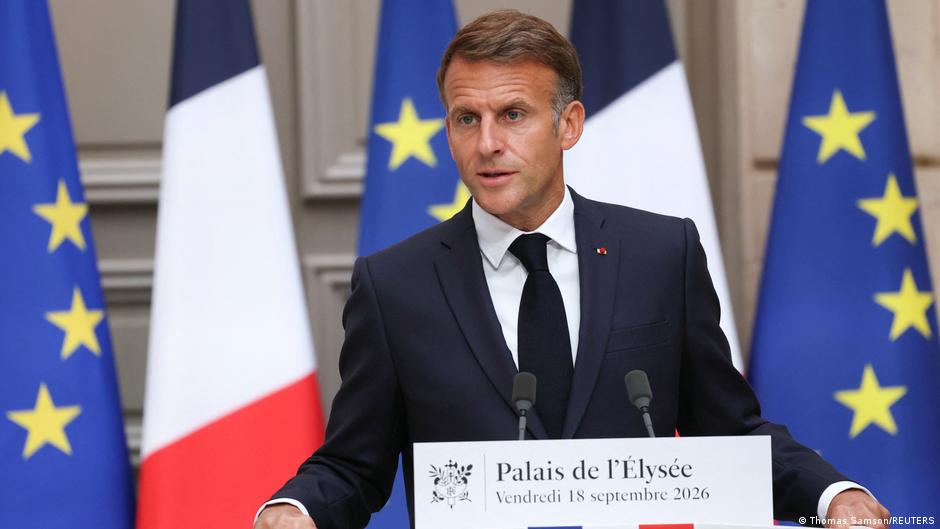
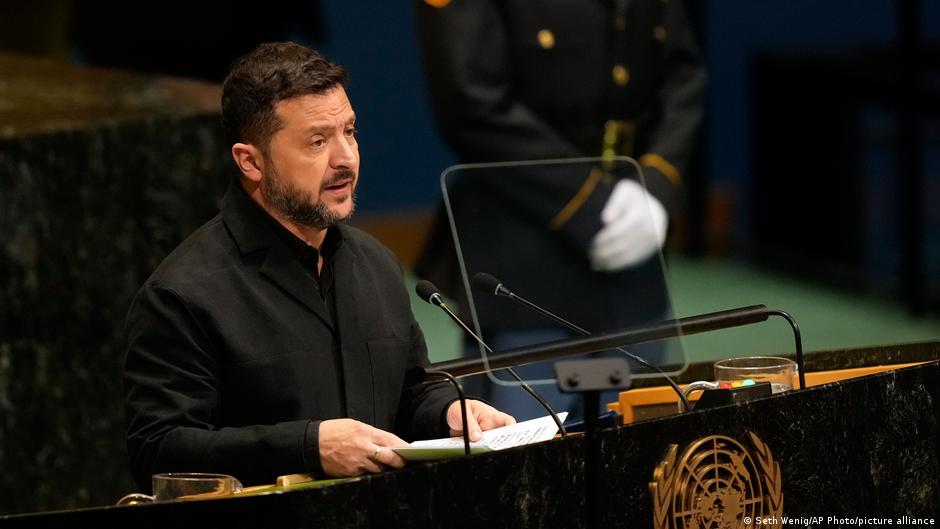
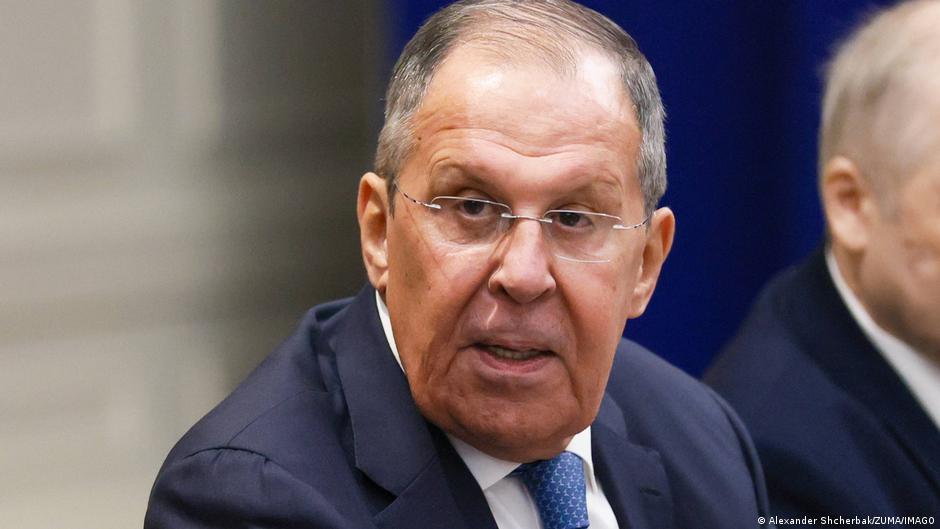
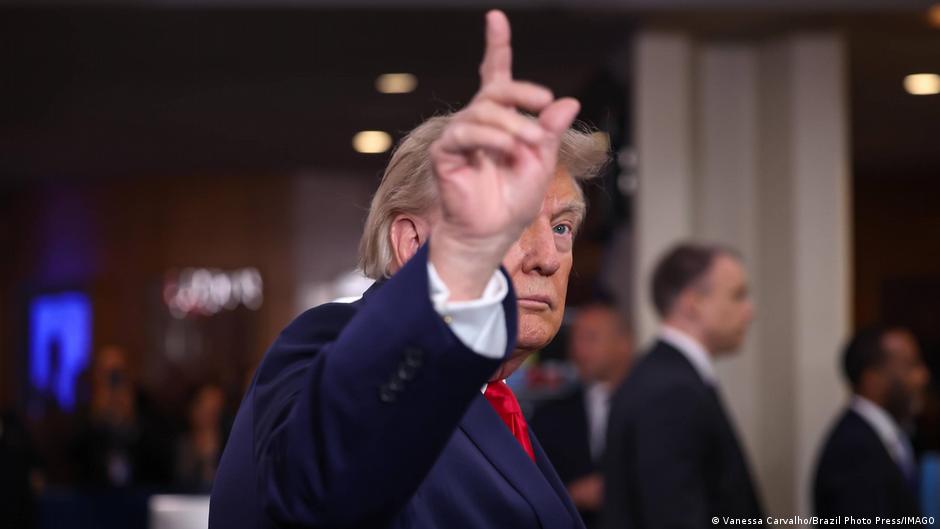
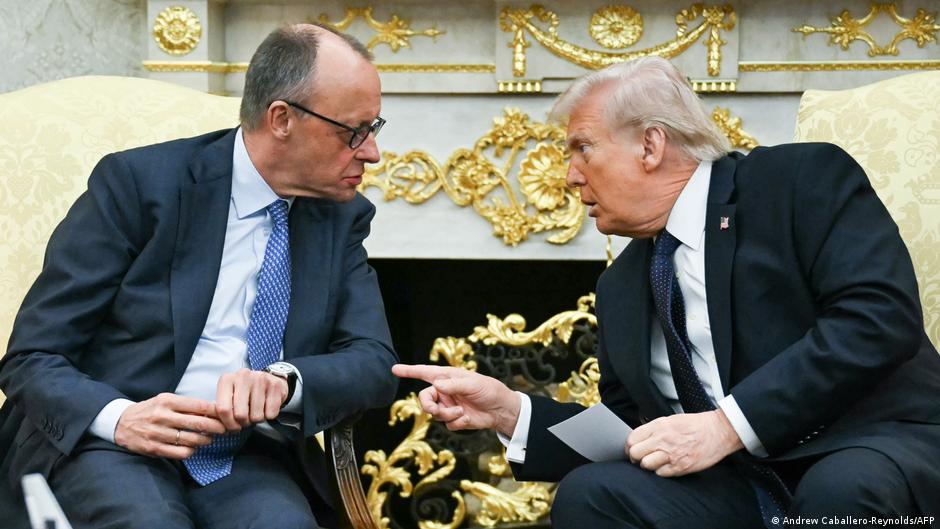
Germany’s foreign minister says aid to Ukraine should also benefit German defense firms, citing the need to justify spending to taxpayers.

Germany’s foreign minister says aid to Ukraine should also benefit German defense firms, citing the need to justify spending to taxpayers.

Finland’s completed Russia border fence highlights how security spending can affect public budgets, local economies and household finances.

AfD’s Saxony-Anhalt win drew sharp reactions from Poland and France, adding political uncertainty for European savers, households and investors.

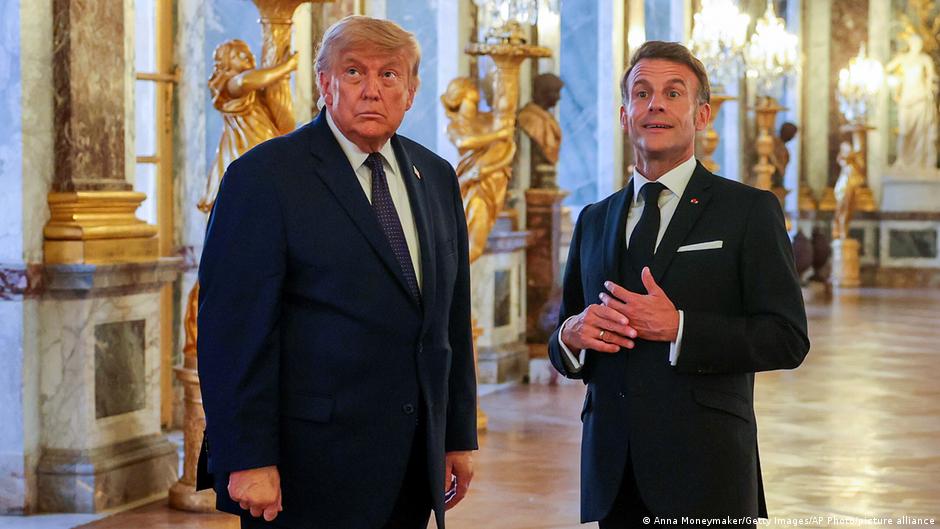
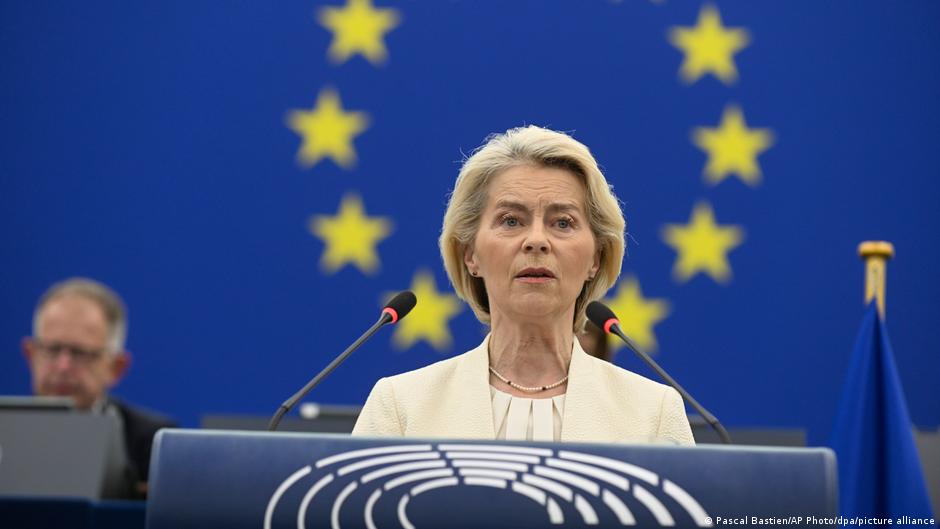
Kaja Kallas shelved an EU defense expert group after resistance from Germany and Italy, raising questions for budgets and investors.

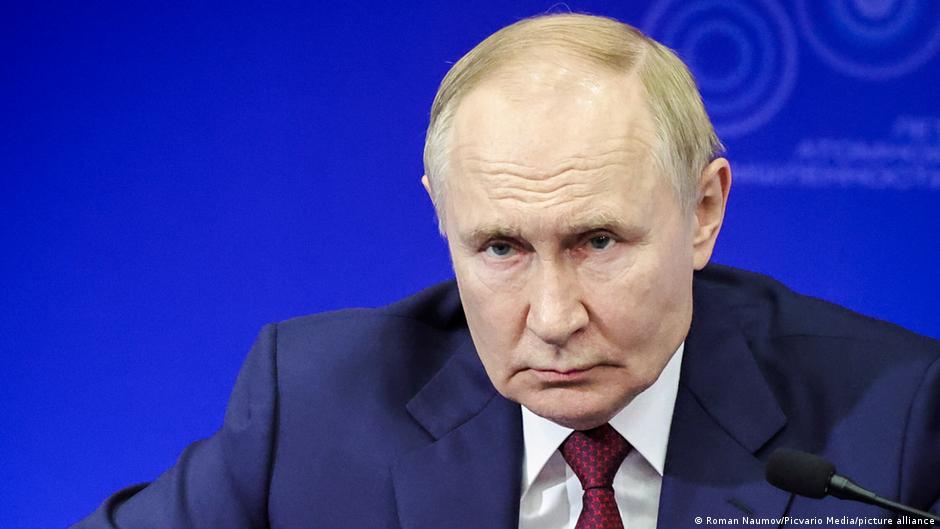
Putin backed using medically unfit volunteers for rear-area drone defense, adding financial uncertainty for Russian households and savers.

Germany’s planned anti-sabotage shield could add new cost pressures across transport, energy, cybersecurity and household budgets.

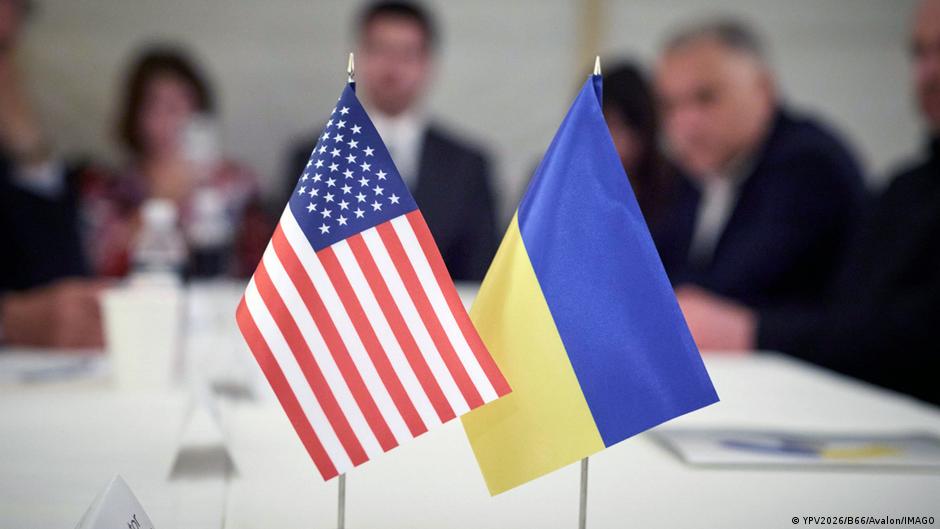
U.S. envoys discussed Ukraine peace plans with Putin before Kyiv talks, a development that could affect household costs, currencies and investors.

ICAO’s call for stronger protections over conflict zones may influence travel costs, insurance pricing and investor sentiment around airlines and transport.

Daniel Driscoll’s resignation after a clash with Pete Hegseth adds new uncertainty around Pentagon spending, procurement priorities and defense-sector sentiment.

Sabotage at European defense factories risks supply chain disruptions that could raise consumer costs and disrupt savings amid ongoing geopolitical tensions.

Drone attacks on Ozon warehouses in Krasnodar and Stavropol disrupt operations, cause casualties, and threaten supply chains, impacting consumer access and costs.

Russia's shadow air fleet in Africa bypasses sanctions, fueling geopolitical tensions that may impact household budgets, inflation, and investor risks globally.

Hundreds of Ukrainian soldiers have deserted military training in Germany since 2022, creating financial uncertainty for families dependent on remittances and affecting currency stability.

NATO responds to Iranian threats targeting European military sites, signaling potential impacts on household budgets, currency markets, and consumer prices amid rising tensions.

Former Ukrainian Defense Minister Mikhail Fedorov urges elections during wartime, highlighting key challenges impacting household finances and economic confidence.

Protests in Kyiv demand the return of Mykhailo Fedorov as defense minister, raising concerns about political stability and reforms impacting household finances and currency stability.

The US scales back joint military drills with South Korea, affecting defense budgets and potentially impacting household finances and currency stability in the region.

Ukraine sanctions 13 ships and 28 companies over illegal grain exports from Russian-occupied territories, aiming to protect agricultural revenues and stabilize commodity markets.

The strike on Russian warships and infrastructure in Novorossiysk disrupts regional energy and grain exports, impacting household budgets and consumer prices.

Germany faces rising drone incidents near military bases, prompting increased defense spending that could impact household budgets and economic stability.

Concerns over Ukraine’s potential to produce Patriot missiles raise questions about defense spending, supply chains, currency impacts, and investor risks affecting households globally.

Two civilian aircraft were intercepted near Trump's New Jersey golf club due to temporary flight restrictions, highlighting financial impacts on private pilots and local economies.

Germany faces growing hybrid warfare threats, including drone attacks, impacting national security and posing risks to household budgets, savings, and investor confidence.

US Senate sanctions targeting Russian energy exports may drive higher fuel prices and inflation, affecting household budgets and investors worldwide.

Lithuanian defense warns of possible Russian drone attacks on Baltic infrastructure, highlighting risks to household budgets and financial stability in the region.

US missile supplies are strained by aid to Ukraine, prompting concerns about increased defense spending and potential impacts on household budgets and consumer finances.

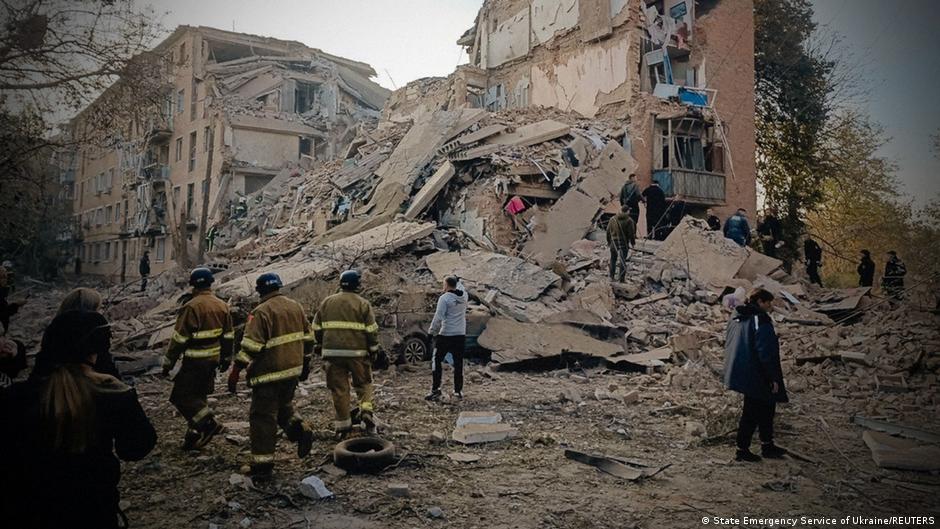
Renewed Russian missile attacks on Kyiv and surrounding regions cause civilian casualties and disrupt local economies, straining household budgets and defense capabilities.

Ukraine’s unlikely NATO membership shifts security alliances, impacting household budgets, currency stability, and the economic outlook for everyday investors.

NATO's plans to expand nuclear deterrence in Europe could influence household budgets and market stability amid rising geopolitical tensions.

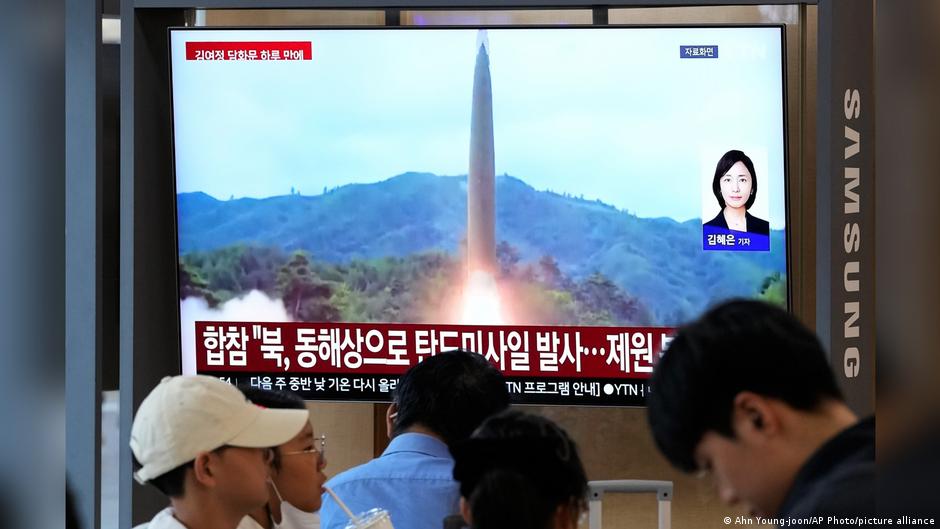
Russia’s use of North Korean ballistic missiles in Ukraine raises global concerns over economic stability, affecting household budgets, currencies, and investor confidence worldwide.

Ukraine’s fourth F-16 fighter jet crash highlights rising military costs and financial pressures affecting national budgets and household economies amid ongoing conflict.

Russian missile and drone strikes in Ukraine cause tragic losses and property damage, threatening household budgets, local currency stability, and everyday investors’ financial security.

Jay Clayton's confirmation as US National Intelligence Director raises questions about potential impacts on financial markets and household economic stability amidst political divisions.

The US Senate advances sanctions bill imposing steep tariffs on Russian imports, potentially raising prices and affecting household budgets and investments.

Austria plans to extend mandatory military service to nine months and increase conscript pay, impacting household incomes, savings, and government spending.

The UK’s transfer of rights for the Stone Cloak electronic warfare system to Ukraine affects defense innovation and has broader implications for household budgets and currency stability.

Germany seeks to secure Ukraine’s advanced drone technologies through a government deal, impacting defense spending, currency stability, and investment opportunities.

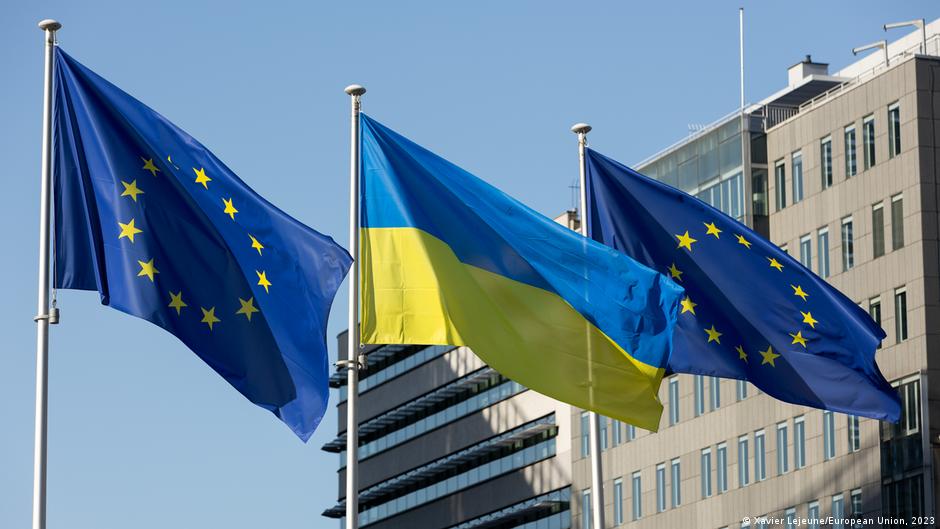
The EU protests Russian missile strikes damaging civilian and diplomatic sites in Ukraine, escalating regional tensions that affect European household budgets, inflation, and currency markets.

Eleven nights of US strikes on Iran disrupt key oil routes, pushing energy costs higher and affecting household budgets and investor confidence globally.

US strikes on Iran enter the tenth day, risking global energy supply disruptions that could raise fuel prices and strain household budgets and investor portfolios worldwide.

Russia’s proposed law would allow convicted offenders to serve under military contracts, raising concerns about household income stability and economic impacts amid ongoing mobilization.

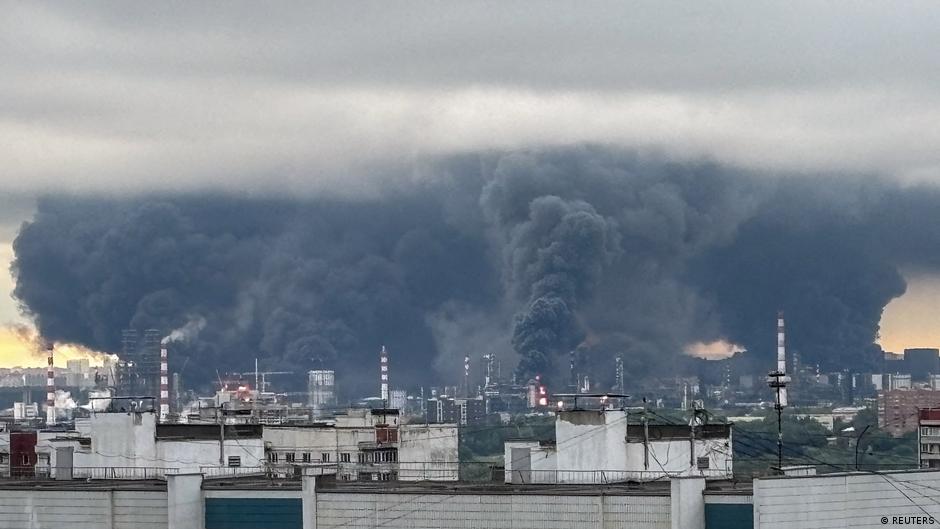
Drone strikes on Russian logistics hubs and residential areas threaten supply chains, risking higher consumer prices and financial market volatility that impact households and investors.

US strikes on Iran's infrastructure heighten risks of oil supply disruptions, driving up energy costs and impacting household budgets and investors worldwide.

CIA director reveals Russian conscripts in Ukraine face 20-30 minute survival, driven by AI drone warfare impacting household finances and investor confidence.

Ukraine’s new Prime Minister Sergei Koretsky, an energy sector expert, could influence household utility costs and economic stability amid government reshuffle.

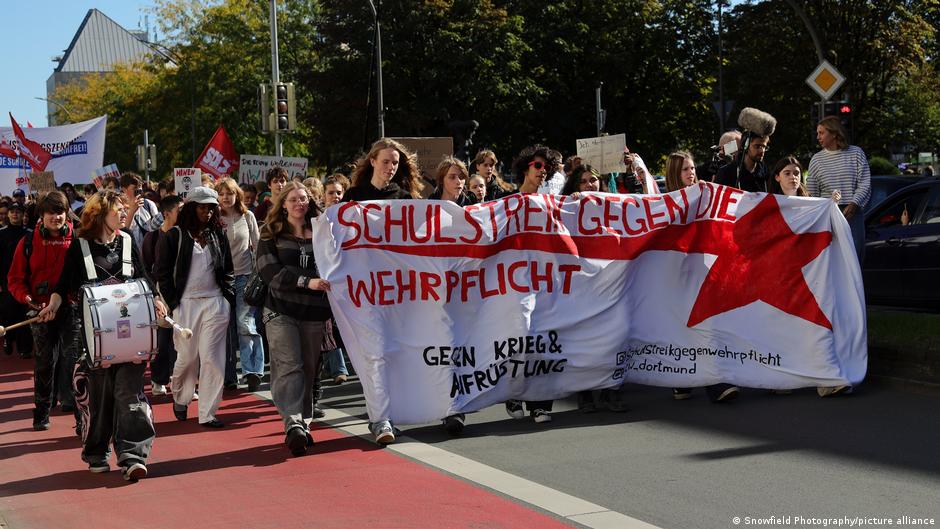
Germany sees a sharp rise in military service refusals, raising concerns about household budgets, savings, and investment strategies amid defense reforms.

Darlin Graham Norton assumes her late brother Lindsey Graham’s Senate seat, preserving Republican control and influencing policies that affect household budgets and investor confidence.

Germany plans a 25.5% defense budget increase for 2026, raising concerns over impacts on household finances, public debt, and investor markets.

US strikes on Iran and renewed sanctions risk disrupting global oil supplies, pushing energy costs higher and impacting household budgets and investors worldwide.

Germany plans a 6% increase in spending and higher borrowing in its 2027 budget, with defense costs rising sharply, raising concerns for household finances and economic growth.