Prolonged Conflict in Russia Could Impact Household Budgets and Savings for Years
Advisor to Rosneft CEO predicts Russia may face war for decades, urging economic adjustments that will affect everyday consumers and investors.
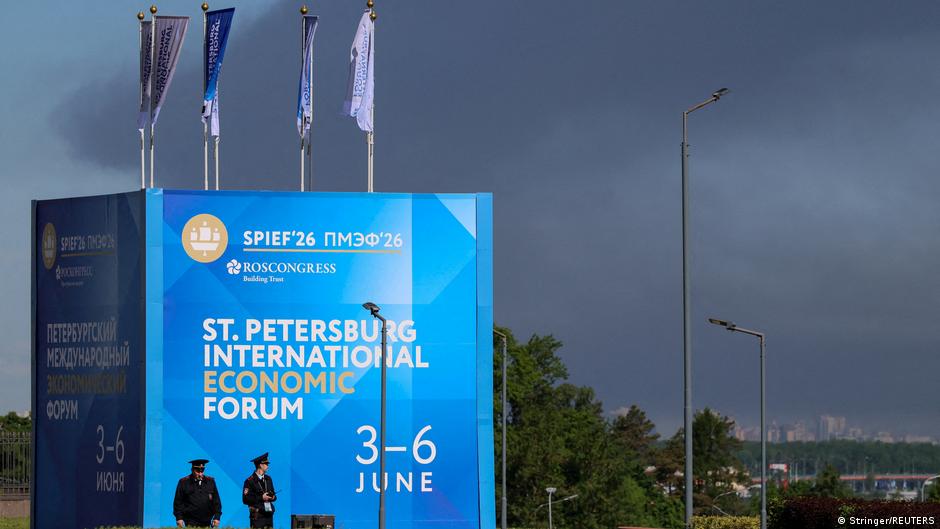
Russia may remain in a state of conflict for several years, potentially stretching into a couple of decades, according to Andrey Bezrukov, an advisor to Rosneft CEO Igor Sechin. Speaking at the St. Petersburg International Economic Forum (SPIEF) on June 3, Bezrukov warned that two generations in Russia could essentially be considered at war, affecting all spheres of life — including the economy and household finances.
Long-Term War and Its Economic Consequences
Bezrukov described the current conflict as "hot war" but suggested it could evolve into a "creeping war" with fluctuating intensity and possibly expanding to other regions. This prolonged state of conflict will require Russia to build a state and economic system not only focused on growth but also on defense capabilities.
"We need to learn to live with this war," Bezrukov stated, emphasizing the need for a dual-purpose economic model.
For Russian households and consumers, this outlook signals continued economic uncertainty. Extended military engagement often leads to increased government spending on defense, which can crowd out other public investments and may result in higher taxes or inflation. Consumers might face rising prices, especially for essential goods and energy, as resources are diverted and supply chains are disrupted.
Moreover, the recent drone attacks on St. Petersburg and the surrounding Leningrad region, including damage to a major oil terminal and residential buildings, underscore the potential for further infrastructure disruptions. Such events contribute to instability in energy supplies and can influence fuel prices, directly impacting household budgets.
Effects on Savings, Currency Stability, and Investors
The ongoing conflict and associated geopolitical tensions carry significant risks for currency stability. The Russian ruble could face continued volatility due to sanctions, trade disruptions, and increased defense spending. For everyday investors, this environment complicates portfolio management — safer assets may become scarce, and inflationary pressures could erode the real value of savings.
Financial advisors often recommend diversifying investments across asset classes and geographies during times of uncertainty. However, restrictions on capital movement and the broader economic sanctions environment may limit options for Russian consumers seeking to protect their wealth.
Additionally, Bezrukov raised concerns about potential "biological warfare" technologies, reflecting a heightened sense of risk that could further influence government policy and economic priorities. While experts dispute some of these claims, the rhetoric adds to an atmosphere of insecurity that can deter both domestic and foreign investment.
Daily Life Amid Conflict: Infrastructure and Services Disruptions
Recent drone strikes have led to explosions and fires in St. Petersburg, affecting transportation hubs like Pulkovo Airport and critical infrastructure such as oil terminals. These disruptions cause delays, reduced service quality, and increased costs that ripple through the economy.
Residents reported mobile internet outages and difficulties accessing even approved websites, highlighting challenges to communication and access to information. Such disruptions impact work, education, and commerce, further straining household finances.
Given these conditions, Russian families might need to reassess their budgets to accommodate possible price hikes, service interruptions, and inflation. Emergency savings could become more critical, alongside prudent financial planning to navigate an uncertain future.
In summary, the prospect of a prolonged conflict as described by a senior advisor to one of Russia's largest energy firms points to sustained economic and social pressures. Households, savers, and individual investors should prepare for an extended period of volatility affecting everyday financial life.