EU Protests Russia's Missile Strikes on Ukraine; Impact on Regional Stability and Consumer Costs
EU summons Russian envoy over attacks that damage civilian sites and escalate geopolitical tensions affecting household finances and markets.
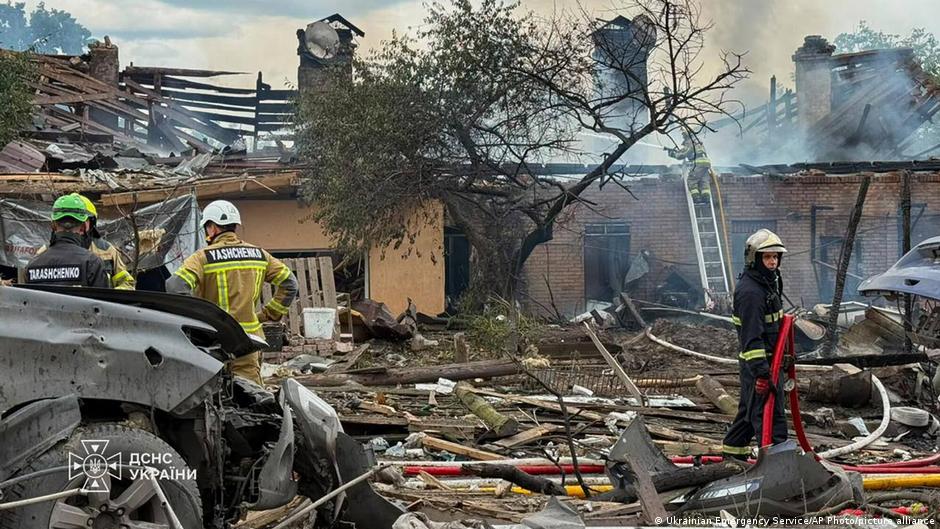
The European Union has formally protested Russia's recent missile strikes on Ukraine, which targeted civilian sites including a weapons exhibition and a Latvian honorary consulate. These attacks, denounced by the EU's top diplomat, Kaja Kallas, have heightened geopolitical tensions that ripple through household budgets, currency markets, and consumer confidence across Europe.
Geopolitical Conflict and Consumer Impact
On July 24, Russian forces launched ballistic missile strikes using Zircon missiles on the Kyiv region, specifically hitting a private weapons testing range in Bucha district during a drone exhibition. The attack resulted in ten deaths and approximately 100 injuries, and also damaged diplomatic premises, including the Latvian honorary consulate in Slaviansk.
EU High Representative Kaja Kallas condemned the attacks as deliberate and indiscriminate, highlighting Moscow's disregard for international law. In response, the EU summoned the Russian permanent representative to deliver a protest note and signaled intentions to expand sanctions against additional Russian defense enterprises and entities.
"These attacks reflect a targeted policy by Russia, underscoring a blatant neglect of international norms," said Kallas.
Such geopolitical actions have tangible consequences for European consumers. Heightened conflict exacerbates energy price volatility, disrupts supply chains, and fuels inflationary pressures. Households may face increased costs for fuel, food, and imports, while investors contend with currency fluctuations and market uncertainty.
Ukraine's Expanding Drone Capabilities and Economic Implications
Amid ongoing conflict, Ukraine is escalating its drone warfare capacities, with President Volodymyr Zelensky announcing plans to produce long-range unmanned aerial vehicles (UAVs) capable of striking targets up to 10,000 kilometers away by 2027. Currently, Ukrainian drones reach ranges of up to 3,000 kilometers, comparable to those of Russia.
Zelensky revealed intentions to sign agreements with the United States to build domestic drone manufacturing facilities, emphasizing the rapid development cycles of drones—often requiring updates as frequently as every three to six months in active combat zones. This drive toward indigenous high-tech production reflects Ukraine's strategic priorities but also signals increased defense spending and economic reorientation.
For ordinary citizens and investors, these developments indicate prolonged regional instability. Defense expenditures, sanctions, and disrupted trade could influence exchange rates, investment flows, and inflation. Households might experience constrained purchasing power and greater uncertainty in financial planning.
By establishing a "special command for long-range influence" targeting Russian assets deep inside its territory, Ukraine aims to further shift the conflict dynamics. While militarily strategic, this escalation could prolong economic disruption across Europe, impacting energy markets and commodity prices vital to consumers.
In summary, EU diplomatic responses to Russian aggression and Ukraine's military advancements underscore a complex interplay between geopolitics and economics. European households and everyday investors are likely to feel these impacts through inflation, currency volatility, and market unpredictability in the months ahead.