Russia Proposes Ending Mandatory Medical Exams for Military Contractors Amid Recruitment Struggles
The Russian Defense Ministry aims to lift compulsory health screenings for contract soldiers, signaling challenges in recruitment and potential impacts on military spending and household finances.
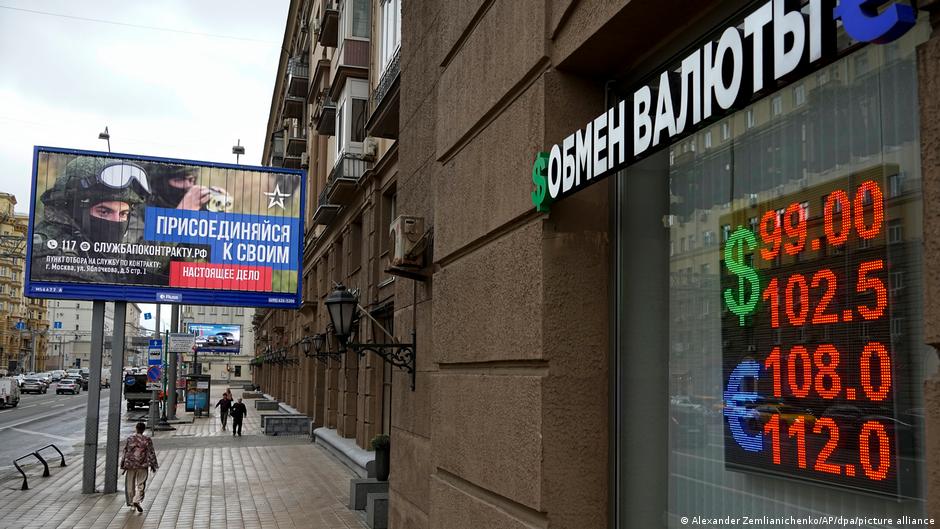
The Russian Ministry of Defense has introduced legislative amendments proposing the cancellation of mandatory medical examinations for individuals enlisted as contract soldiers and mobilized personnel, except in cases of obvious injuries or severe illnesses. This move reflects ongoing recruitment difficulties amid the country’s prolonged military engagement in Ukraine.
Implications for Military Recruitment and Household Budgets
On July 3, a draft law was published for public discussion and is currently undergoing independent anti-corruption review. The proposal suggests that compulsory medical screening during mobilization, martial law, or wartime should only occur when there are indications of physical impairments that might limit fitness for service. The Defense Ministry would establish procedures to identify such cases.
"It appears the situation with recruiting contract soldiers is so dire that they want to eliminate mandatory medical checks," said Grigory Sverdlin, head of a legal aid project helping individuals avoid conscription.
Eliminating routine medical exams may streamline recruitment processes by lowering administrative barriers, potentially allowing the Defense Ministry to absorb more personnel faster. However, this raises concerns about the quality and readiness of new recruits, which could have repercussions on military effectiveness and operational costs.
For Russian families, the change could signal increased pressure on men of conscription age to join the military without full health evaluations. This uncertainty may affect household financial planning, as families face sudden enlistments and possible disruptions to income and savings. Additionally, the prospect of expanded mobilization has already prompted concerns about economic stability in affected regions.
Context of Recruitment Challenges and Financial Measures
Recent months have seen escalating efforts by Russian authorities to bolster contract soldier numbers. In late May, President Vladimir Putin signed legislation allowing the write-off of debts for military contractors, aiming to incentivize enlistment. Recruitment campaigns have extended beyond Russia’s borders, targeting individuals in Belarus and China, while reports indicate aggressive conscription tactics within Russian regions such as the Penza Oblast.
These developments come amid rumors of a potential new wave of mobilization, which would impose further strains on household economies and consumer confidence. The military’s efforts to recruit more personnel without mandatory medical screenings could be interpreted as a cost- and time-saving measure, though it may introduce risks related to personnel health and operational readiness.
For everyday investors and consumers, the ongoing conflict and its associated strains on manpower and public finances contribute to economic volatility. Currency fluctuations, inflationary pressures, and uncertainty in labor markets are likely to persist as the government adapts its military policies to current recruitment realities.
In this context, households managing budgets must remain vigilant to potential sudden changes in family income and expenditure patterns related to conscription policies. The evolving military recruitment landscape underscores the interconnectedness of national security decisions and personal financial stability in Russia today.