NATO's Military Build-Up and Its Impact on European Household Budgets and Savings
Latvian President warns NATO must prepare for escalation with Russia, highlighting increased defense spending and implications for consumers.
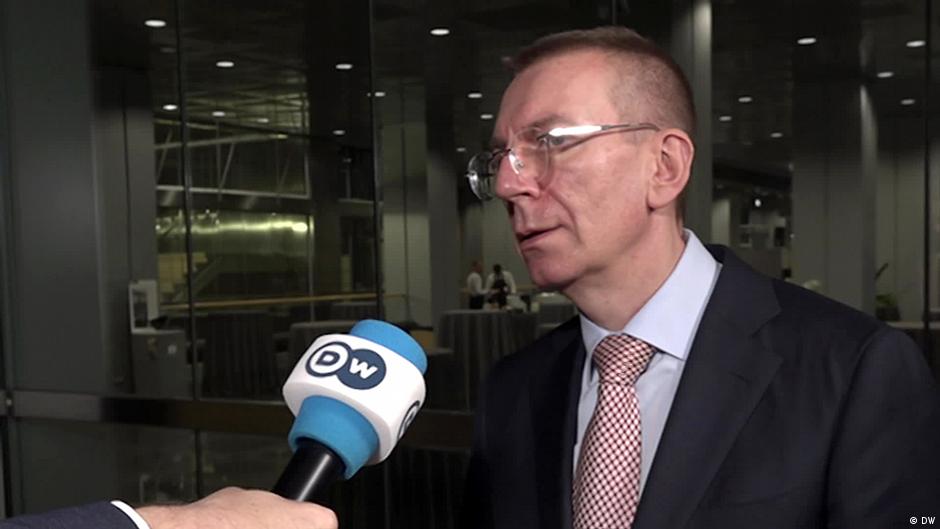
In a recent interview, Latvian President Edgars Rinkevics emphasized the urgent need for NATO to brace for a potential escalation in conflict with Russia. This development carries significant implications not only for geopolitical stability but also for European household finances, savings, and everyday investors.
Rising Defense Expenditures and Their Economic Impact
President Rinkevics noted that while NATO member states have agreed to raise defense spending to 5% of GDP, this measure alone is insufficient. The challenge lies not just in allocating funds but in ensuring those funds translate into real military capabilities such as weapons, missiles, and equipment. This push for enhanced military readiness suggests that European governments may continue to increase defense budgets in the coming years.
For average consumers, higher government spending on defense can have multiple effects. It may lead to higher taxes or reallocation of public funds away from social services and infrastructure projects. Additionally, increased demand for defense equipment can stimulate certain sectors, potentially affecting currency valuations and inflation rates.
Currency Fluctuations and Inflationary Pressures
An uptick in defense spending often coincides with shifts in public debt and currency markets. Investors may respond to perceived risks by moving capital, affecting currency stability. Moreover, the increased government demand for resources can escalate prices, contributing to inflationary pressures that impact daily household budgets — from food prices to energy costs.
"Money is crucial, but what is needed are the weapons, missiles, and equipment that can be purchased with these budgetary funds," President Rinkevics stated, underscoring the tangible requirement behind defense budgets.
Implications for Household Savings and Investment Strategies
Rising geopolitical tensions and government spending shifts influence financial markets and investment climates. Households may face greater uncertainty in savings value and returns on investments due to fluctuating markets and inflation. Conservative investors might seek safer assets, while others may diversify to hedge against instability.
Furthermore, as the Baltic states underscore their security ties with the United States and the European Union, the interconnectedness of global markets means that conflict escalation could ripple through international trade and investment flows, affecting personal finances beyond Europe's borders.
In summary, NATO's preparations for a potential confrontation with Russia are not just geopolitical maneuvers but factors that will permeate economic realities, influencing household budgets, savings behavior, currency strength, and investment decisions across Europe.