Russian Strikes in Sumy and Zaporizhzhia Raise Concerns Over Household Financial Stability
Recent missile and drone attacks in Ukrainian cities have caused casualties and damage, impacting local economies and personal finances.
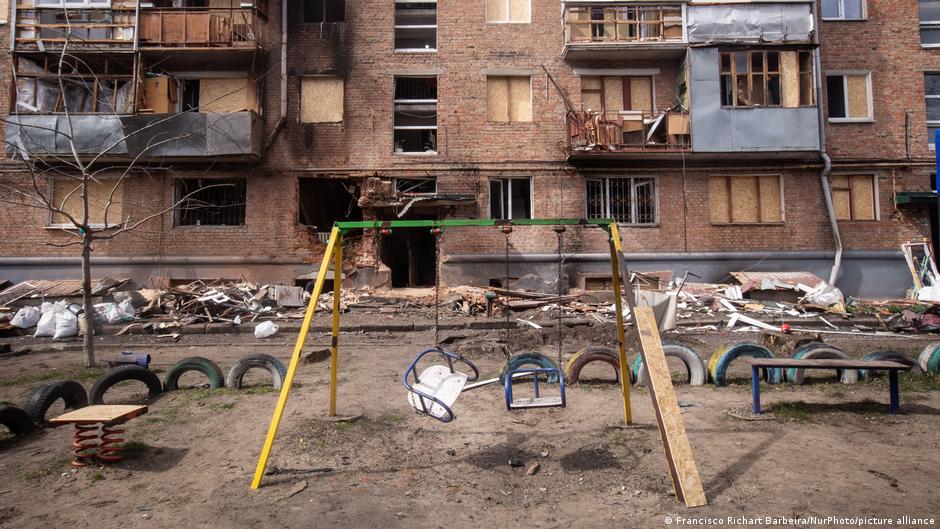
On the evening of July 3rd, Russian military forces launched a series of missile and drone strikes targeting the eastern Ukrainian city of Sumy, resulting in civilian casualties and significant damage to residential and commercial areas. This attack has not only led to tragic loss of life but also poses serious implications for household budgets and local economic stability amidst ongoing conflict.
Impact on Households and Local Economies
According to local military administration reports, four people were killed and 27 others injured in the strikes on Sumy, including seven children. One of the missiles struck a densely populated residential district in the Kovpakivskyi area, severely damaging a high-rise apartment building, a store, and nearby infrastructure. The presence of many residents at the time of the attack amplified the human toll.
"Among the deceased were a five-year-old girl and her mother, underscoring the devastating human cost of these attacks," stated regional officials.
The destruction of residential buildings and local businesses directly affects household finances, as families face sudden costs for medical care, property repairs, and temporary relocation. Many local residents, already coping with the economic disruptions caused by the conflict, now confront additional financial burdens that threaten their savings and spending capacity.
Similar strikes were reported in the city of Zaporizhzhia on the same evening, where missile and drone attacks targeted residential zones and an industrial enterprise. The attack resulted in two civilian deaths and 21 injuries, further destabilizing the local economy and workforce.
Economic experts highlight that the destruction of industrial facilities interrupts supply chains and reduces employment opportunities, thereby diminishing household incomes. Additionally, damage to critical infrastructure encourages inflationary pressures, as shortages of goods and services drive up prices, directly impacting consumer budgets.
Families in affected areas may experience heightened financial insecurity, relying more heavily on savings or aid. The ongoing conflict and repeated attacks also deter investment and complicate currency stability, leading to further erosion of household wealth.
As the situation evolves, policymakers and financial planners emphasize the need for targeted support to households in conflict zones to mitigate long-term economic damage. Strategies include emergency financial assistance, reconstruction funding, and measures to stabilize local markets and currencies.