Russian Strikes on Ukrainian Regions Intensify, Impacting Civilians and Local Economies
Ongoing attacks across Ukraine have caused casualties and damaged infrastructure, affecting household budgets and local consumer services.
On July 2, Russia continued its military strikes across multiple regions of Ukraine, following the deadliest night attack on Kyiv since the war began. The day and evening assaults targeted areas including Kherson, Zaporizhzhia, Dnipropetrovsk, Mykolaiv, Kharkiv, Sumy, and Donetsk. These attacks resulted in fatalities, injuries, and significant damage to civilian infrastructure, impacting everyday life and local economies.
Impact on Households and Local Services
In Kherson, a missile strike on a civilian vehicle killed a 41-year-old man. Additionally, an attack on a medical facility claimed the life of a 63-year-old doctor and injured a nurse. Another local resident died after accidentally triggering explosive remnants during grass cutting. The Kherson region also experienced drone raids, including an assault near the crucial oil refinery, disrupting energy supplies and local industry.
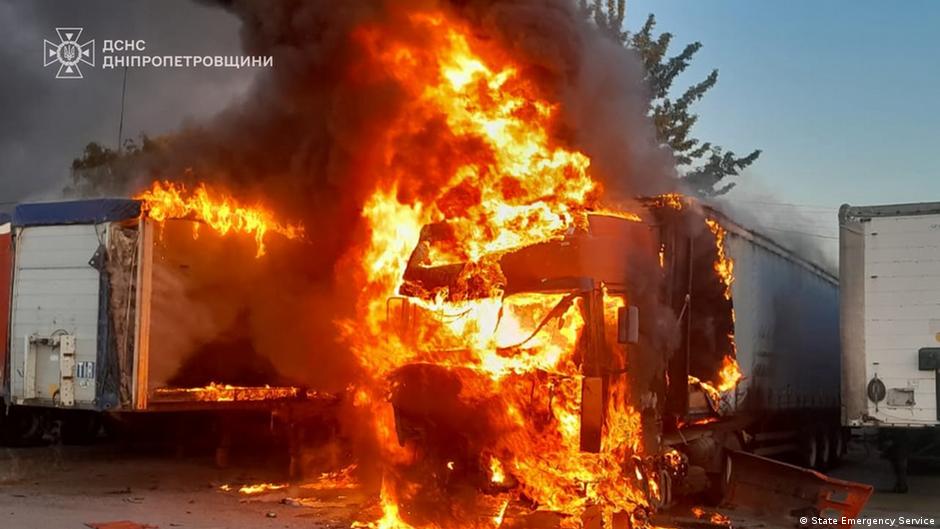
Zaporizhzhia saw attacks on a residential building, a store’s warehouse, a sorting center for a major postal service, and a sports center. Seven people were injured, including children aged six, seven, 12, and 16, highlighting the widespread risk to families and communities. These strikes disrupt daily consumer activities and essential services such as mail delivery and sports recreation.
The Dnipropetrovsk region endured about 40 strikes from drones, artillery, air bombs, and a missile, leading to the deaths of two people, including a seven-year-old girl. Nine others, including children aged 11 and 14, were wounded. The attacks damaged apartment buildings, private homes, a school gymnasium, and vehicles, jeopardizing living conditions and increasing financial burdens for affected families.
In Mykolaiv, a drone attack in the vicinity of a gas station resulted in one fatality and seven injuries. The destruction of the gas station and damage to homes and vehicles affects fuel availability and personal property, imposing additional costs on residents already coping with instability.
Kharkiv experienced strikes on a multi-story residential building, injuring three people and damaging a gas station and several cars. Sumy was hit by three guided aerial bombs causing injuries to 11 people, including three children, and significant damage to a school. Although no students were present at the time, two staff members were hurt, and postal workers sustained injuries due to drone attacks on delivery vehicles. In Donetsk's Kramatorsk city, a drone hit a car, wounding one person.
"These repeated attacks not only cause tragic loss of life but also disrupt essential services and damage homes, leaving families to face increased financial and emotional strain," said a regional official.
The ongoing assaults severely affect household budgets as families contend with medical expenses, repair costs for damaged properties and vehicles, and disruptions to everyday services like postal delivery and fuel access. The destruction of schools and recreational centers further strains community resources and impacts children’s wellbeing.
For everyday investors and consumers in Ukraine, the instability contributes to economic uncertainty, currency volatility, and challenges in maintaining savings and spending power. Businesses and local economies face interruptions, which can reduce employment opportunities and consumer confidence.
As the conflict persists, the financial toll on Ukrainian households continues to grow, emphasizing the broader economic consequences of the military aggression beyond the immediate human casualties.