Russia Allows Sale of Lower-Quality Euro-3 Fuel Until End of 2026 Amid Supply Strains
The government permits use of older Euro-3 gasoline and diesel standards, affecting fuel quality and prices for Russian consumers.
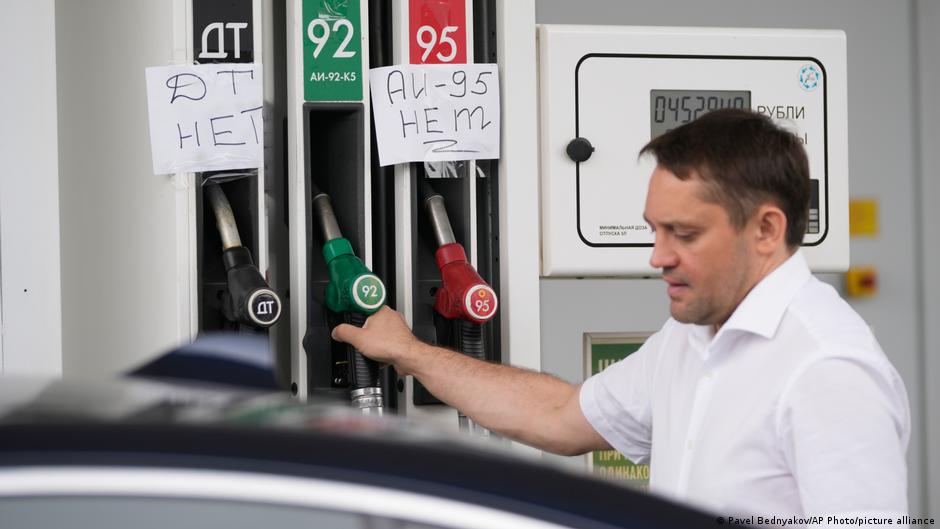
Russia's government has authorized the continued circulation of gasoline and diesel fuel meeting the outdated Euro-3 environmental standard until the end of 2026. This move, aimed at stabilizing the domestic fuel market amid ongoing supply disruptions, will have direct implications for household budgets, fuel quality, and the broader economy.
Impacts of Euro-3 Fuel Standards on Consumers and Markets
The Euro-3 standard, which was the norm in Europe from 2000 to 2005, permits significantly higher sulfur content in fuels compared to modern benchmarks. Specifically, Euro-3 gasoline can contain up to 150 mg of sulfur per kilogram, and diesel up to 350 mg per kilogram. In contrast, the more contemporary Euro-5 standard limits sulfur to just 10 mg per kilogram in both types of fuel.
Higher sulfur levels in fuel contribute to increased air pollution and can have adverse effects on engine performance and longevity. For households, this may translate into increased vehicle maintenance costs and potentially reduced fuel efficiency, impacting everyday expenses.
"The decision to ease fuel quality standards is part of preventive measures to avoid destabilization in the internal energy market," said officials from the Ministry of Energy.
The government decree signed by Prime Minister Mikhail Mishustin allows certain Russian refineries to produce and distribute Euro-3 grade fuels domestically. However, these fuels will not be marked with the Eurasian Economic Union's unified product circulation sign and will not be exported to other EAEU member states, underscoring the temporary and localized nature of this policy.
Industry experts note that permitting lower-grade fuels allows refineries to process crude oil with less intensive refining and utilize capacities that cannot meet stringent standards, simplifying production during the current crisis. However, the use of Euro-2 fuels, which are even less refined and were banned in Russia in 2013, remains controversial due to safety concerns for modern vehicles.
Fuel Supply Crisis and Economic Consequences
The backdrop to this policy change is a worsening fuel supply crisis in Russia, largely driven by targeted strikes from Ukrainian armed forces on key refineries and energy infrastructure. The Moscow-based Kapotnya refinery, which supplies roughly 40% of the capital’s fuel demand, sustained damage from multiple attacks in late May and is expected to remain offline until late 2026 or early 2027.
Data from Reuters indicates a 25% year-over-year drop in gasoline production, now at 85,000 tons daily against a summer consumption demand of 110,000 tons. Regional authorities have imposed fuel sale restrictions in over 40 areas, including occupied territories, with 85 regions reporting supply disruptions.
Fuel reserves have diminished by several hundred thousand tons over three months, according to analytics firm Kpler, highlighting the severity of the shortage. Russian President Vladimir Putin has publicly acknowledged the deficit.
For consumers, this situation may manifest as higher fuel prices, increased difficulty in finding quality fuel, and the potential need to adapt vehicles to different fuel compositions. Savings may be impacted as households allocate more resources to transportation costs, and inflationary pressures could ripple through sectors reliant on fuel.
Financially, everyday investors and savers could see indirect effects as fuel supply constraints weigh on transportation, logistics, and overall economic activity. Currency fluctuations might also be influenced by the energy sector's instability, affecting exchange rates and purchasing power.
As Russia navigates these challenges, the temporary return to Euro-3 fuel standards underscores the balancing act between maintaining energy availability and managing environmental and economic impacts on citizens.