Russia Reduces Drone and Missile Strikes on Ukraine in June, Impacting Regional Fuel Supplies
Decline in Russian attacks affects fuel availability in Russia and adds uncertainty for household budgets amid ongoing conflict.
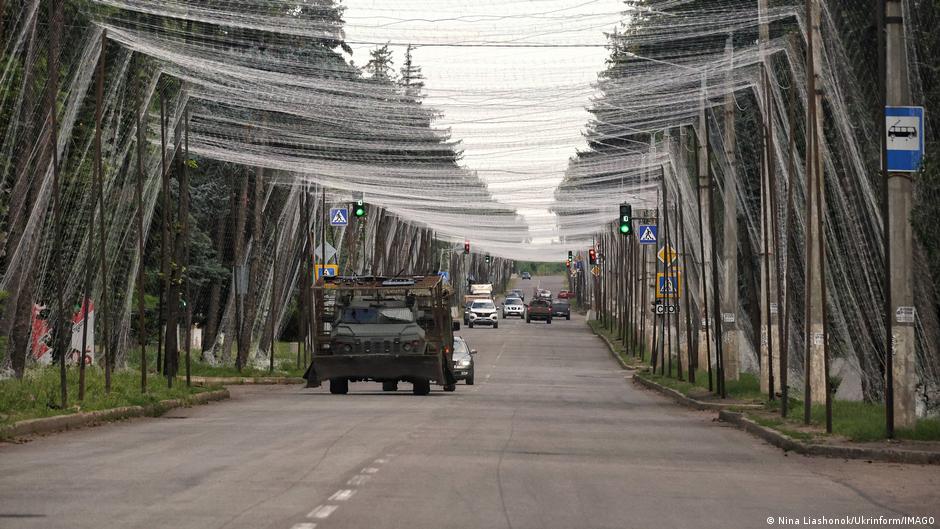
In June, Russia significantly reduced its use of drones and missiles against Ukraine compared to May, marking a 29% drop in drone strikes and a 15% reduction in missile launches, according to recent data analyzed from the Ukrainian Air Forces.
This decrease follows a record high in May, when Russia launched 8,150 drone attacks and 211 missile strikes against Ukraine. In June, those numbers fell to 5,749 drone strikes and 180 missile attacks.
Potential Causes and Economic Consequences
Experts caution that this reduction may be temporary. Analysts suggest that Russia might be preparing its military resources for renewed offensives expected in the autumn, or addressing supply challenges due to geopolitical tensions affecting drone imports, particularly the Iranian Shahed drones amid strained relations with the U.S. and Israel.
Despite fewer attacks, the strategic approach of Russia’s military remains unchanged, implying that households in the affected regions should anticipate continued instability.
“The drop in strikes could reflect temporary resource recalibration rather than a shift in military strategy.”
Meanwhile, Ukraine has intensified retaliatory strikes against Russian infrastructure, focusing on oil refineries, fuel depots, and ports. These attacks have led to significant fuel shortages within Russia, exacerbating energy supply challenges that ripple through consumer markets.
For consumers and everyday investors, these developments have multiple implications. Fuel scarcity can lead to rising gasoline and heating oil prices, directly increasing household expenditures on energy. Higher fuel costs tend to cascade into increased transportation and goods prices, affecting inflation levels and the cost of living.
Additionally, disruptions to defense industry plants—such as the reported Ukrainian strike on the Voronezh semiconductor facility, a producer of electronics for Russia’s Iskander missiles—may impact Russia’s military production capacity. These factors contribute to market volatility and could influence currency stability, affecting savings and investments for citizens and investors both regionally and internationally.
Households should monitor these evolving dynamics closely, as energy price fluctuations and geopolitical risks may affect budget planning and investment decisions in the near term.