US Extends Sanction Waiver for Serbian Oil Company NIS Amid Gazprom Divestment Delay
Temporary US license allows Serbia’s NIS oil operations to continue despite ongoing sanctions tied to Gazprom’s ownership stake.
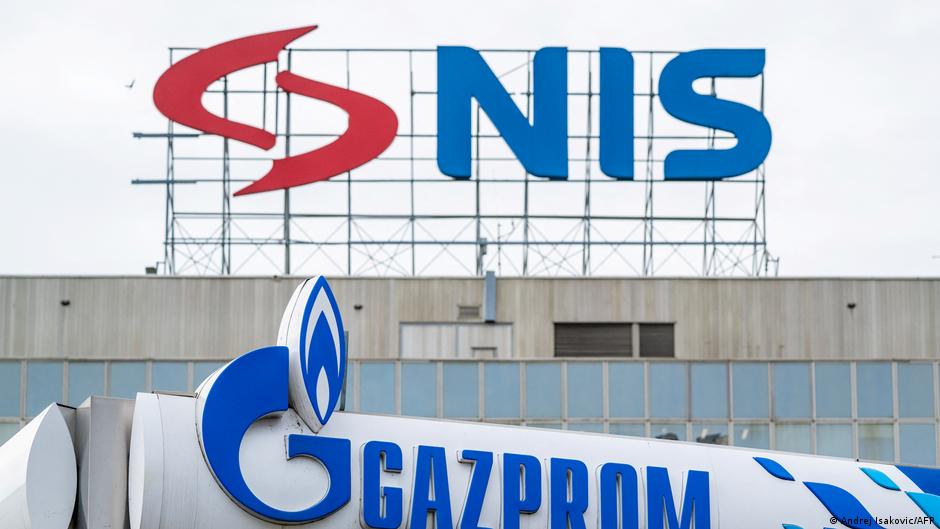
Starting January 2026, the United States has repeatedly extended a temporary license enabling the Serbian oil company Naftna Industrija Srbije (NIS), controlled in part by Russia’s Gazprom, to operate under existing American sanctions. On June 30, US authorities granted another 30-day extension to NIS’s operational waiver.
The extension was confirmed by Serbia’s Minister of Energy, Dubravka Djedovic-Handanovic, who cited information from the US Treasury Department’s Office of Foreign Assets Control (OFAC). Despite sanctions, the oil refinery in Pancevo continues processing crude oil, ensuring ongoing fuel supplies.
Sanctions Impact and Delayed Gazprom Share Sale
NIS was added to the US sanctions list in January 2025 due to Gazprom’s ownership stake. The US government demands the divestment of Gazprom Neft and its affiliate Intelligence’s combined 56% share in NIS. The restrictions came into effect in October 2025, causing a halt in crude oil deliveries via the Adriatic pipeline (JANAF) through Croatia and suspending production at the Pancevo refinery.
On January 19, 2026, MOL, Hungary’s largest oil and gas company, signed an agreement to acquire Gazprom’s and Gazprom Neft’s shares in NIS. OFAC initially set a May 22 deadline for completing the deal but has granted multiple extensions since.
"The Pancevo refinery continues to process crude oil," Minister Djedovic-Handanovic stated, underscoring the importance of the license extension for Serbia's energy stability.
Gazprom Neft holds 44.9% of NIS shares, while Gazprom’s investment division controls an additional 11.3%. The Serbian government owns 29.9%. NIS supplies 80% of Serbia’s gasoline and diesel fuel needs and over 90% of its jet fuel and heavy fuel oil demands.
Implications for Serbian Households and Regional Energy Markets
This ongoing extension of operational licenses for NIS eases immediate risks of fuel shortages and price spikes in Serbia, which heavily depends on the company for domestic energy supply. Without the temporary license, disruptions in refining and fuel distribution could impact household budgets facing already tight financial conditions amid global inflationary pressures.
For everyday investors and consumers, the deal’s uncertainty reflects broader geopolitical risks influencing energy prices and currency stability in the region. The delayed transfer of shares from Gazprom to MOL illustrates how international sanctions can reverberate through local markets, affecting currency exchange rates and inflation trajectories. Serbian dinar fluctuations and potential fuel price volatility remain key concerns for personal finance planners and consumers alike.
Overall, while the US sanctions aim to curtail Russian influence in European energy sectors, temporary waivers like this one demonstrate the balancing act between enforcing policy and maintaining regional economic stability, particularly in energy-dependent economies like Serbia.