Germany Presses Ukraine to Factor Berlin’s Industry Into Aid Spending
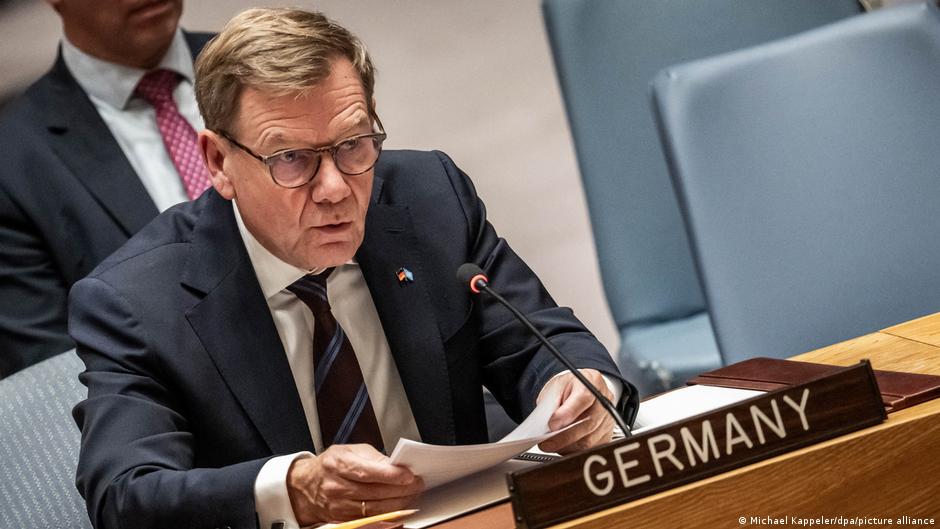
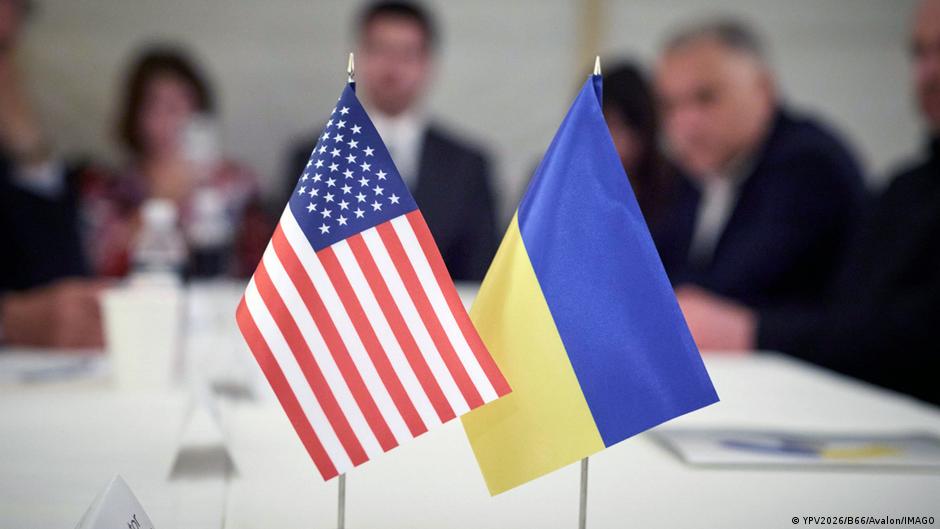
Germany’s foreign minister says aid to Ukraine should also benefit German defense firms, citing the need to justify spending to taxpayers.

Germany’s foreign minister says aid to Ukraine should also benefit German defense firms, citing the need to justify spending to taxpayers.

Finland’s completed Russia border fence highlights how security spending can affect public budgets, local economies and household finances.

Macron is seeking an EU-wide under-15 social media ban, a move that could affect family tech spending, advertising exposure and platform investors.

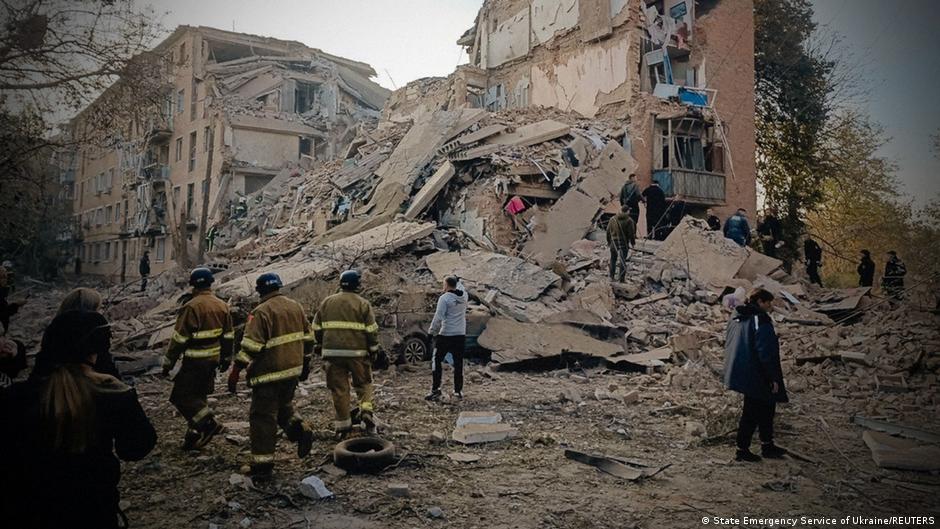
Russian strikes on Kyiv damaged homes, cars, garages and businesses, raising fresh financial pressure for households and local firms.

AfD’s Saxony-Anhalt win drew sharp reactions from Poland and France, adding political uncertainty for European savers, households and investors.
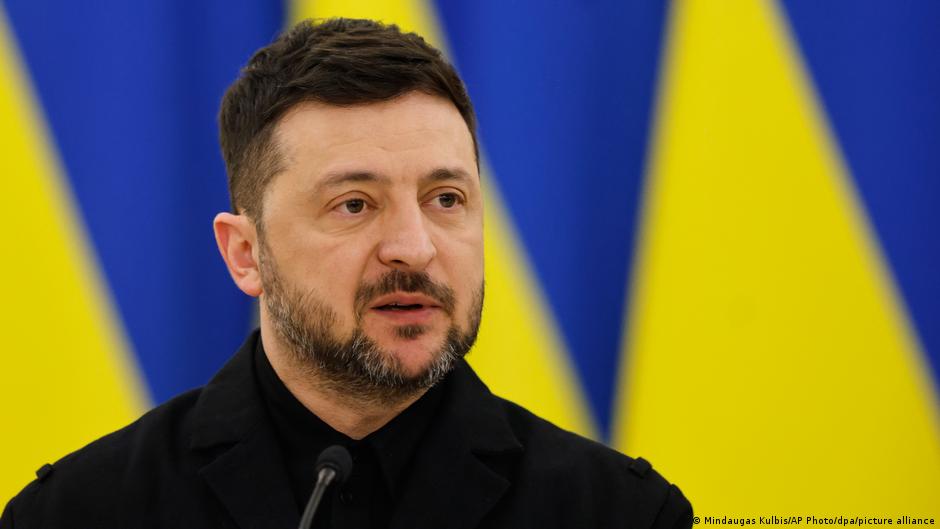
AfD’s Saxony-Anhalt win raises uncertainty over coalition talks, energy policy, sanctions and the economic outlook for households and investors.

Kaja Kallas shelved an EU defense expert group after resistance from Germany and Italy, raising questions for budgets and investors.

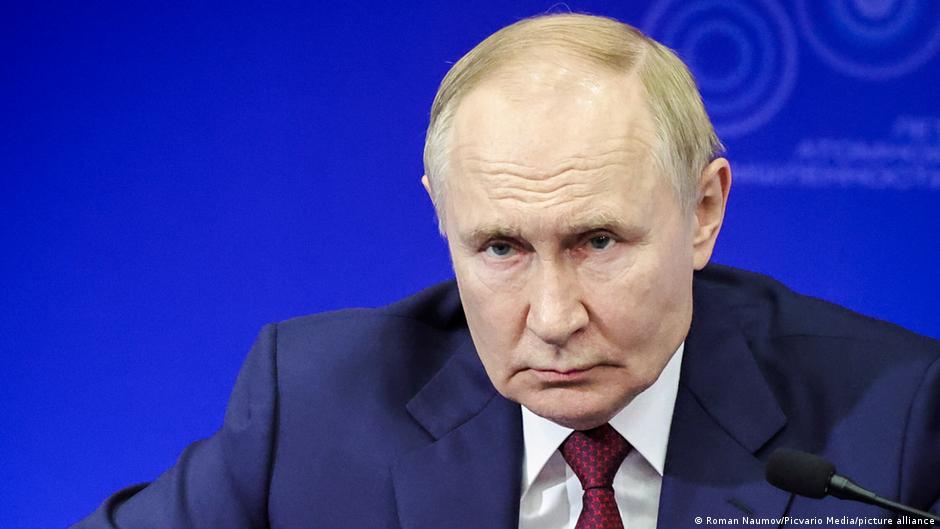
Putin backed using medically unfit volunteers for rear-area drone defense, adding financial uncertainty for Russian households and savers.

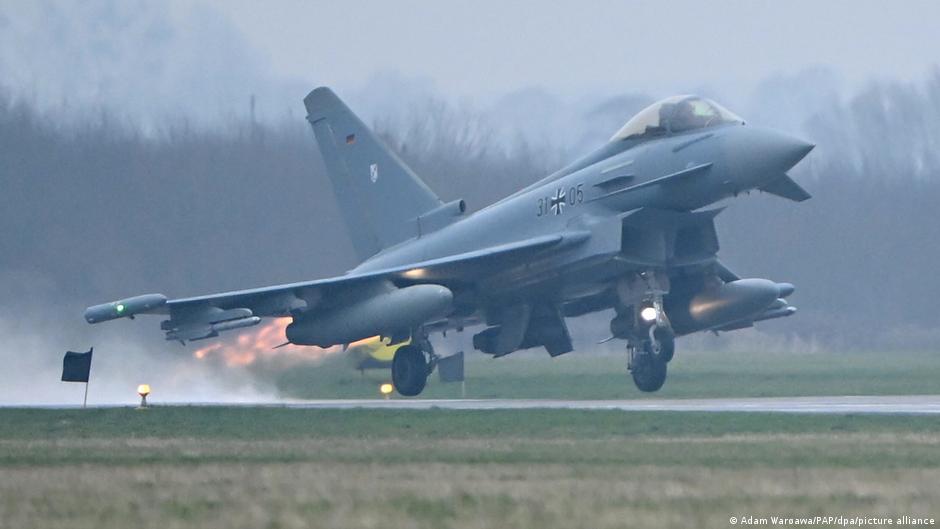
Germany’s planned anti-sabotage shield could add new cost pressures across transport, energy, cybersecurity and household budgets.

Ukraine’s anti-corruption agencies searched the prosecutor general’s office in a probe into alleged protection of scam call centers.

Latvia says a suspect in the Leipzig sabotage case had been living in Russia, as Germany tightens checks and sanctions enforcement with possible spillovers for travel and trade.

Volkswagen approved a major overhaul with about 50,000 planned job cuts, a slimmer model range and big profit targets, raising stakes for workers and investors.

Putin said chances for peace exist, while Zelenskyy said U.S. envoys will visit Kyiv and Moscow, reviving focus on the war’s impact on budgets and markets.

Norway’s seizure of a Russian vessel in a Naftogaz claim highlights how legal battles over assets can shape investor risk, currencies and household finances.

Russia says it will close Goethe-Institut branches after Berlin ends a cultural agreement, adding to uncertainty for households, students and investors.

ICAO’s call for stronger protections over conflict zones may influence travel costs, insurance pricing and investor sentiment around airlines and transport.

A decade of Uzbek reforms changed taxes, licensing and currency access, with knock-on effects for household budgets, jobs and small investors.

Putin says Armenia’s EU accession push would effectively mean quitting the EAEU, raising questions for trade, prices and investor confidence.

Daniel Driscoll’s resignation after a clash with Pete Hegseth adds new uncertainty around Pentagon spending, procurement priorities and defense-sector sentiment.

A reported U.S. warning to Russia points to prolonged sanctions pressure, with potential effects on currencies, prices, savings and investor risk.

Uzbekistan's fee for a first ID card is under scrutiny after a viral passport-office account, with neighboring countries often charging less or nothing at all.

Meta’s $18B settlement over child safety mandates new age-verification tech with privacy risks, impacting household digital habits and platform trust.

After leading Germany's foreign policy and chairing the UN General Assembly, Annalena Baerbock will join Columbia University as co-director of a public administration program focused on global leadership.

The U.S. has removed Syria from its terrorism sponsor list, opening new economic opportunities with potential impacts on currencies, investments, and household finances worldwide.

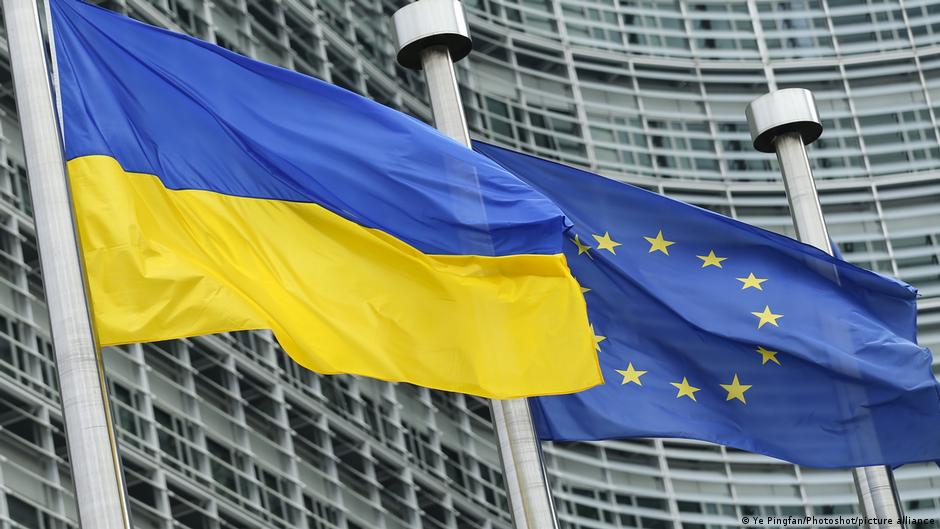
The EU pledges ongoing support to Ukraine amid conflict, maintaining sanctions on Russia that affect European household budgets, currency markets, and investors.

Russia's shadow air fleet in Africa bypasses sanctions, fueling geopolitical tensions that may impact household budgets, inflation, and investor risks globally.

Russian authorities detained about 100 people at a music festival near Vyborg for political songs and regime change calls, reflecting wider impacts on household budgets and market confidence.

A 23.6% wage gap between German and foreign workers persists, affecting immigrant household budgets, savings potential, and investment opportunities in Germany.

The US Supreme Court permits President Trump to continue White House renovations, including a ballroom and bunker, with potential impacts on government spending and household finances.

Finland summons Russian ambassador after an Il-20 spy plane briefly entered its airspace, raising concerns that may impact regional economic stability and household finances.

Hundreds of Ukrainian soldiers have deserted military training in Germany since 2022, creating financial uncertainty for families dependent on remittances and affecting currency stability.

Serbia plans early parliamentary elections in October 2023 amid protests and political uncertainty, raising concerns about impacts on household finances and investor confidence.

Former Ukrainian Defense Minister Mikhail Fedorov urges elections during wartime, highlighting key challenges impacting household finances and economic confidence.

Russian drone strikes in Zaporizhzhia caused civilian casualties and damaged homes, intensifying financial and economic pressures on local households and investors.

Russia considers barring emigrants labeled as foreign agents from voting, affecting expatriates' political rights and financial ties with the homeland.

Protests in Kyiv demand the return of Mykhailo Fedorov as defense minister, raising concerns about political stability and reforms impacting household finances and currency stability.

Jared Kushner's talks with Hamas highlight persistent Middle East tensions that could impact currencies, inflation, and household finances worldwide.

Russian missile strikes on Kyiv and Kryvyi Rih cause casualties and damage, impacting local economies and household financial stability.

The US imposes tariffs up to 100% on imported drones and parts, affecting prices for consumers, investors, and businesses amid national security concerns.

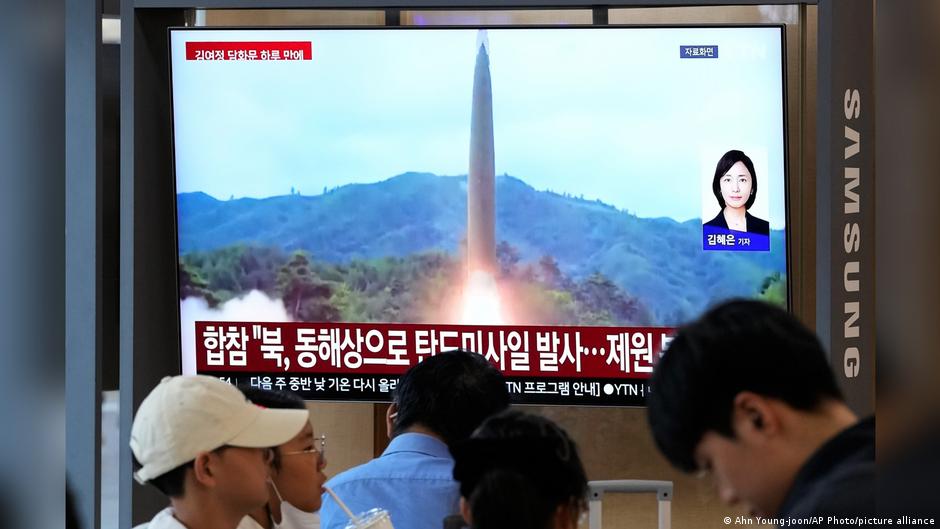
Over 40 countries demand 24-hour advance notice of ballistic missile tests to reduce risks and protect global economic and financial stability impacting households and investors.

US missile strike disables Iranian-bound cargo ship amid blockade enforcement, potentially raising fuel and shipping costs and impacting consumer budgets globally.

Russian missile and aerial bomb attacks on Zaporizhzhia have caused casualties and damaged infrastructure, affecting household budgets, local economies, and financial stability.

A 7.4 magnitude earthquake in Colombia has caused major destruction to homes and infrastructure, impacting household finances and prompting emergency aid.

Turkey's reopening of its straits to shipping after temporary restrictions affects Black Sea trade routes, impacting commodity prices and household budgets globally.

Concerns over Ukraine’s potential to produce Patriot missiles raise questions about defense spending, supply chains, currency impacts, and investor risks affecting households globally.

Russian attacks in Ukraine’s Dnipropetrovsk and Kharkiv regions cause civilian casualties and damage to infrastructure, intensifying financial hardships for affected households.

Germany faces growing hybrid warfare threats, including drone attacks, impacting national security and posing risks to household budgets, savings, and investor confidence.

Drone attacks in Belgorod injured 13 and damaged homes and infrastructure, raising concerns over household financial burdens and local economic stability.

Recent Russian missile strikes in Kyiv's Brovary district caused civilian deaths, injuries, and property damage, intensifying financial pressures on local households and services.

Ukrainian and Serbian presidents meet in Belgrade, focusing on economic and energy cooperation that may influence household budgets and consumer costs in both countries.