EU and Turkey Push for Non-Russian Gas Supplies Amid Shifting Energy Partnerships
Germany stresses that future Turkish gas contracts with the EU should exclude Russian supplies, impacting household energy costs and market dynamics.
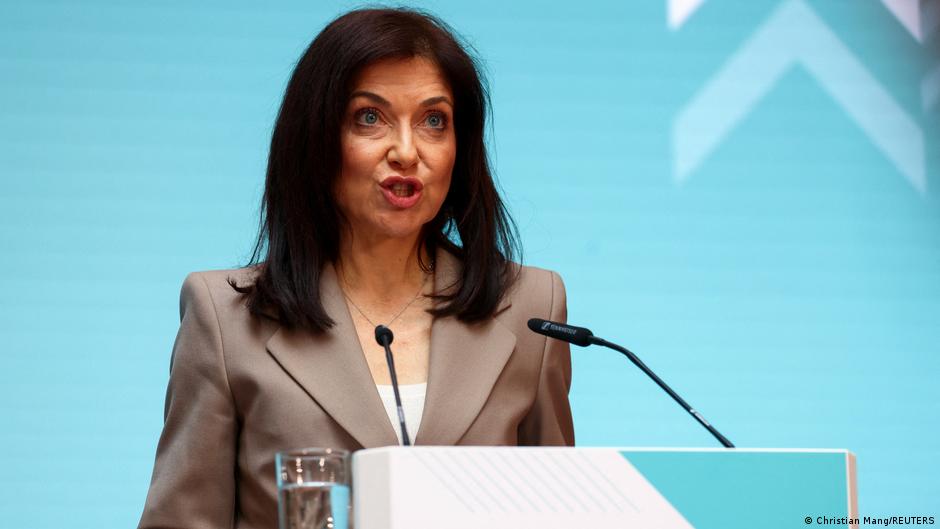
During a recent visit to Ankara, Germany's Minister of Economy, Katherina Reiche, emphasized the European Union's firm stance on excluding Russian gas from any future energy agreements involving Turkey. This policy shift highlights evolving energy partnerships and could significantly affect household budgets, currency fluctuations, and investment outlooks for European consumers.
Implications for Energy Markets and Consumers
The EU aims to reduce dependence on Russian fossil fuels, a move underscored by its insistence that gas supplied through new contracts with Turkey must come from non-Russian sources. As Turkey is the EU's fifth-largest trading partner and the second-largest importer of Russian gas, this shift has wide-reaching consequences.
Turkey’s current negotiations with Russia to renew expiring gas contracts stand at a crossroads. Simultaneously, Ankara is seeking to establish itself as a regional gas hub, diversifying supply routes and sources to bolster energy security.
“Replacement of Russian gas is not achievable overnight, neither economically nor in terms of available resources,” Reiche stated, acknowledging the practical challenges Turkey faces in transitioning its energy imports.
For households across Europe and Turkey, these developments could translate into fluctuating energy prices. Transitioning to alternative sources may involve initial supply constraints or higher costs, placing pressure on family budgets and inflation rates.
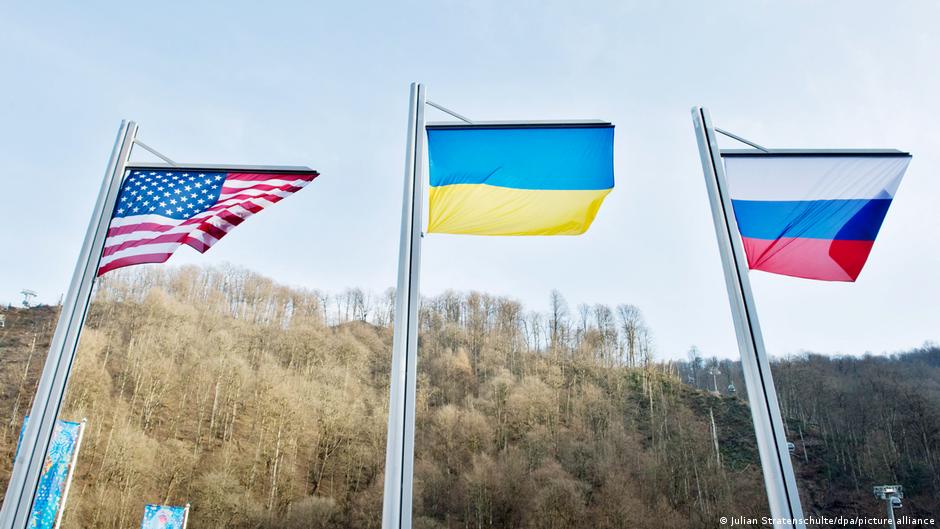
Moreover, the broader geopolitical context—including Russia’s war in Ukraine and tensions involving the US, Israel, and Iran—adds complexity to energy market stability. Sanctions against Russian oil and gas sectors have prompted Turkey's refineries to increase crude purchases from Iraq and Kazakhstan, a diversification strategy aligning with Western pressure.
Consumer currency markets and investment portfolios may also feel ripple effects. Shifts away from Russian energy can influence currency exchange rates, particularly the Turkish lira and euro, while everyday investors may need to reassess exposure to energy stocks and bonds influenced by sanctions and supply realignments.
Overall, the EU’s insistence on non-Russian gas supplies in Turkish agreements signals ongoing energy realignment with important personal finance implications. Consumers should monitor energy price trends closely and consider the impact of geopolitical shifts on household expenses and investment strategies.