US Strikes on Iran Raise Oil Price Risks, Impacting Household Budgets and Savings
US strikes on Iran near the Strait of Hormuz raise the risk of higher oil prices, impacting household budgets, savings, and currency stability worldwide.

US strikes on Iran near the Strait of Hormuz raise the risk of higher oil prices, impacting household budgets, savings, and currency stability worldwide.

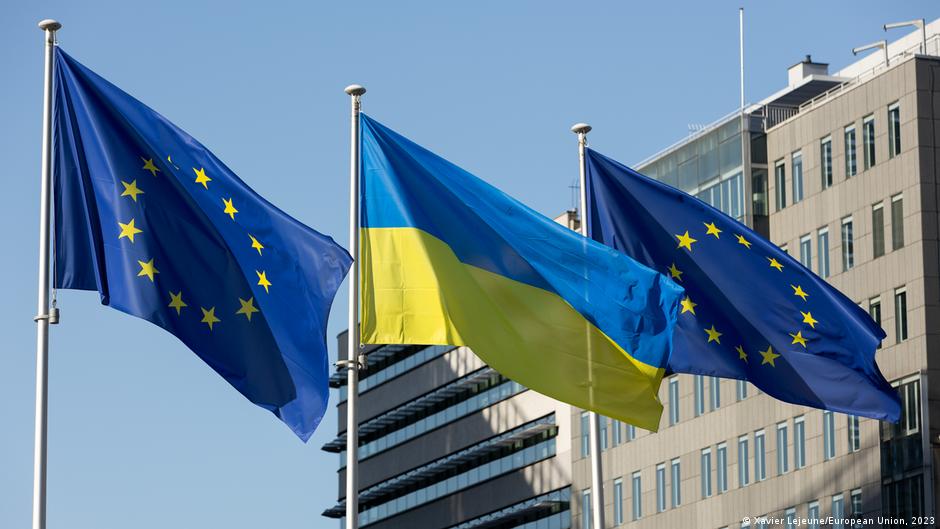
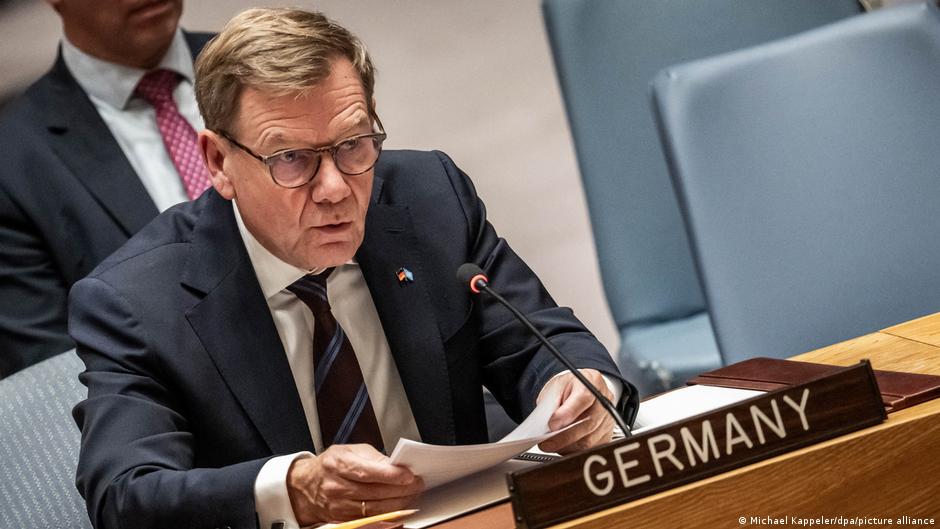
Germany commits an extra €300 million to Ukraine ammunition supplies, raising concerns about European fiscal pressures affecting household budgets and consumer finances.

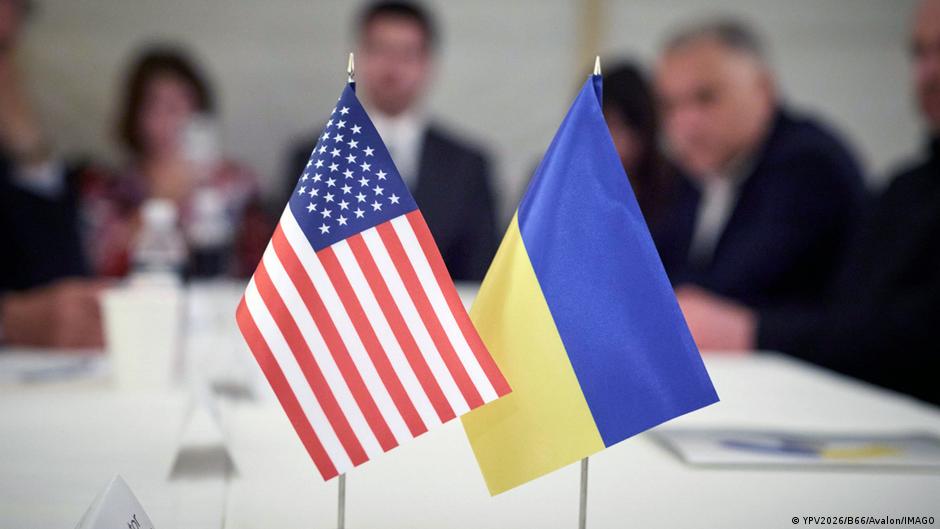
President Zelensky's positive talks with US envoys highlight ongoing efforts to end the Ukraine war, affecting household budgets and financial markets worldwide.

Ukraine demands a ban on Russian military participation in UN missions over sexual violence allegations, escalating geopolitical tensions with economic implications for households and investors.

Kosovo’s ruling party wins elections but must form a coalition amid political instability, impacting household budgets, currency stability, and consumer confidence.

Armenia’s parliamentary elections favor PM Pashinyan’s party, signaling potential economic shifts that may affect household expenses, savings, and currency stability amid geopolitical tensions.

Ukraine apologized to Greece after an explosive naval drone was found near Lefkada, highlighting risks to regional maritime safety and energy supply chains impacting household budgets.

The US House approved sanctions on Russia and aid to Ukraine, with potential impacts on household budgets, currencies, and investment markets worldwide.

Finland has confiscated €3.7 million in Russian assets following a legal claim by Ukraine's Naftogaz, highlighting geopolitical risks impacting currencies and investors.

Rheinmetall’s €5.7B arms deal with Romania, funded by the EU’s SAFE program, highlights defense spending’s broader impact on household budgets, currencies, and investors.

The EU plans to limit US tech giants' access to government cloud contracts, aiming to enhance data sovereignty but potentially raising costs for consumers and businesses.

A Russian-origin drone crashed into a Romanian residential building, raising security and economic concerns for local households and investors amid regional tensions.

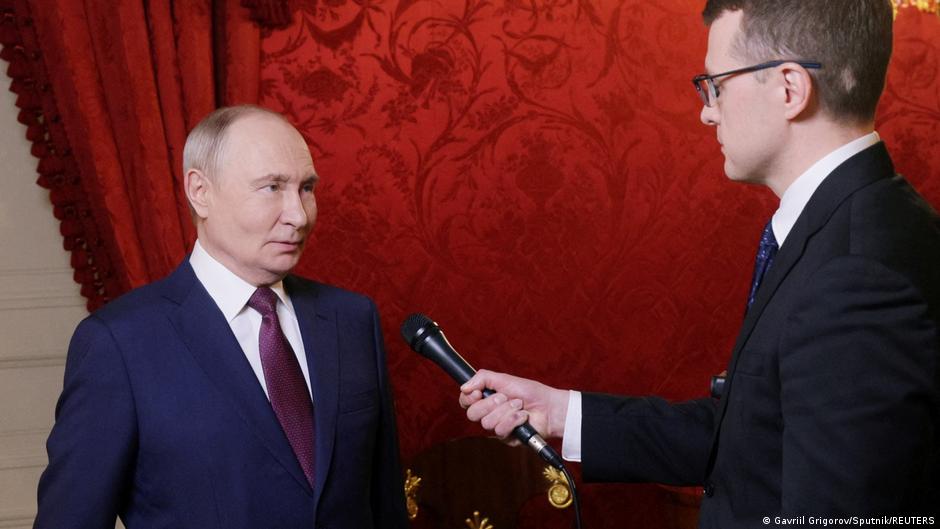
Putin warns Armenia of tariff hikes and work restrictions if it leaves the Eurasian Economic Union, threatening household budgets and economic ties.

Putin’s alleged children receive foreign language tutoring costing hundreds of thousands annually, revealing stark contrasts in elite versus average household spending amid Russia’s economic challenges.

A Russian drone crash in Romania caused injuries and fire, highlighting rising regional tensions that affect household budgets, currencies, and investor confidence in Eastern Europe.

Ksenia Fedorova, former RT France chief, continues media work on French TV despite Russia Today’s EU ban, influencing public perception and consumer trust in news.

Paxtakor football club faced over 50 billion UZS loss in 2025, with growing tax debts and reduced state funding, impacting public budgets and future of sports financing.

Denials of Chancellor Friedrich Merz’s early replacement ease political uncertainty, helping stabilize Germany’s economy and consumer confidence amid current challenges.

Russia's military cooperation with the Taliban could influence global arms flow and economic stability, impacting household budgets and investment markets worldwide.

The EU postpones appointing a negotiator with Russia, focusing on sanction strategies that impact European households' finances and market stability.

Russia’s threat to suspend duty-free gas and fuel exports to Armenia could drive up household energy costs and disrupt consumer markets amid Armenia’s EU integration efforts.

US military strikes on Iran escalate geopolitical tensions, risking volatility in markets and currencies that affect household budgets, savings, and consumer costs globally.

Russian strikes destroyed 40% of Kyiv's Chernobyl Museum exhibits, damaging cultural heritage and deepening financial challenges for Ukrainian households and investors.

European leaders and Ukraine's Zelensky renew peace talks as the war's economic toll grows, affecting household budgets, savings, currencies, and everyday investors.

Hungary reinstates its ban on Ukrainian agricultural imports, impacting local food prices, household budgets, and regional trade dynamics amid EU tariff changes.

The EU-Mexico trade deal removes tariffs and trade barriers, potentially lowering consumer prices and opening new investment opportunities for households and everyday investors.

The US plans to deploy 5,000 additional troops to Poland amidst military realignments, impacting defense budgets, currency stability, and potentially household finances globally.

Western condemnation of Israel’s treatment of Palestinian activists highlights risks to currency stability and household finances amid rising geopolitical tensions.

SpaceX’s upcoming $75 billion IPO is set to become the largest ever, presenting new opportunities and risks for household investors and impacting currency markets.

NATO confirms the steady supply of US air defense missiles to Ukraine, with implications for household budgets, government spending, and currency stability amid the ongoing conflict.

The UK government has authorized indefinite imports of diesel and kerosene refined from Russian crude via third countries to ease rising fuel prices impacting households.

US postpones planned strike on Iran after Gulf leaders’ intervention, easing pressure on global energy prices and currencies, with implications for household budgets and investors.

Moscow's approval of a new German ambassador amid strained ties may impact household budgets, currency stability, and everyday investors in Germany and Russia.

EU foreign policy chief warns Russia, China, and the US seek to weaken the bloc, risking economic stability that affects household budgets, savings, and investments.

Drone and missile attacks in Odessa and Dnipro caused injuries and property damage, impacting household budgets, emergency expenses, and local economic stability.

The US has ended its temporary easing of sanctions on Russian oil exports, potentially raising fuel costs and affecting household budgets and investments.

Donald Trump’s discussions with China over Jimmy Lai’s harsh prison sentence highlight ongoing US-China tensions impacting currency stability and global markets.

Ukraine and Germany deepen defense cooperation to enhance air defense and drone production, influencing regional security and economic stability amid ongoing conflict.

Latvia’s governing coalition collapses amid defense minister resignation, creating political and economic uncertainty that may impact household budgets, currencies, and investors.

Ukraine imposes sanctions on Russian defense-linked companies and individuals, extending restrictions that may impact household finances and investor confidence.

Serbia hosts first joint NATO military exercises amid neutrality policy, with potential but limited impact on household finances and economic stability.

Ukraine’s recent military gains against Russia signal regional shifts affecting currency stability, energy prices, and household budgets amid ongoing conflict.

Ukraine’s plan to supply NATO with long-range drones and missiles could reshape defense dynamics and affect household finances, currency stability, and consumer investment decisions in Europe.

Germany is considering President Steinmeier to represent the EU in potential peace talks with Russia, a move that could influence European markets, currencies, and household finances amid the Ukraine conflict.

The escape of Poland’s ex-justice minister to the US amid corruption charges highlights risks to currency stability and household financial confidence across Europe.

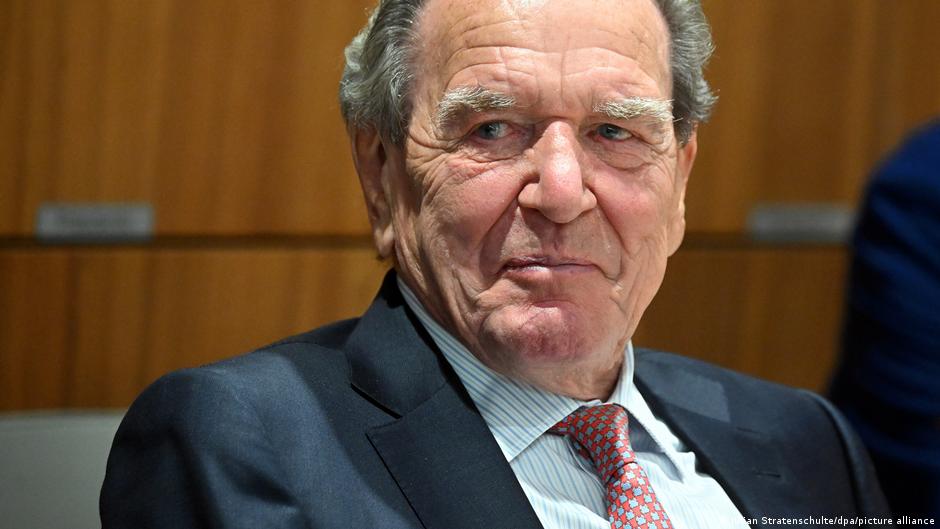
Putin names former German Chancellor Schröder as preferred EU negotiator in Ukraine talks, potentially impacting energy prices, currencies, and household budgets across Europe.

Poland's €44 billion EU loan for defense modernization raises concerns over long-term public debt and impacts on household finances and economic stability.

The potential redeployment of 5,000 US troops from Germany to Poland could influence local economies, household finances, currencies, and investment dynamics in Europe.

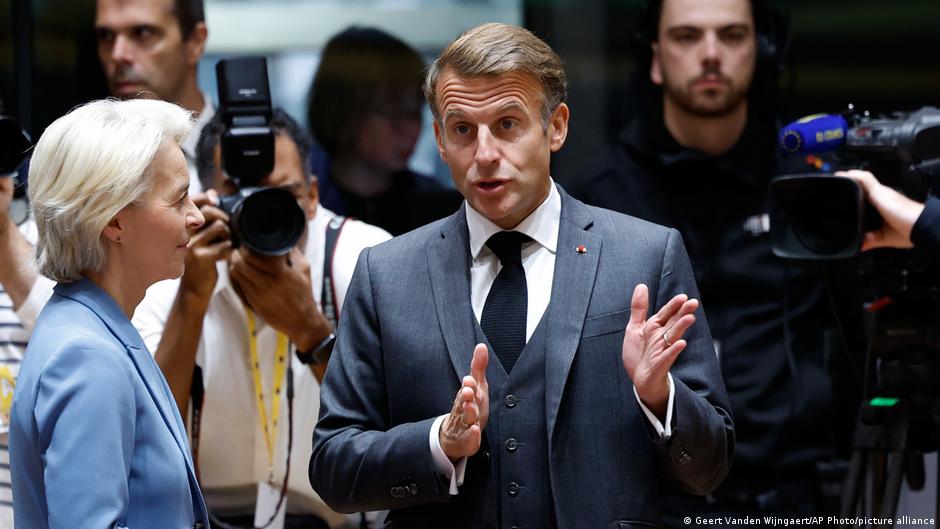
EU leaders prepare for potential talks with Russia, a move that could ease inflation and currency volatility affecting European households and investors.

The US postpones planned 25% tariffs on EU cars until July 4, easing potential price increases for American consumers and providing time for trade negotiations.