Massive Fontainebleau Forest Fire Displaces Thousands and Raises Concerns Over Rising Heatwaves
The Fontainebleau wildfire near Paris has scorched over 1,300 hectares, forcing evacuations and highlighting financial risks for households amid climate-fueled disasters.
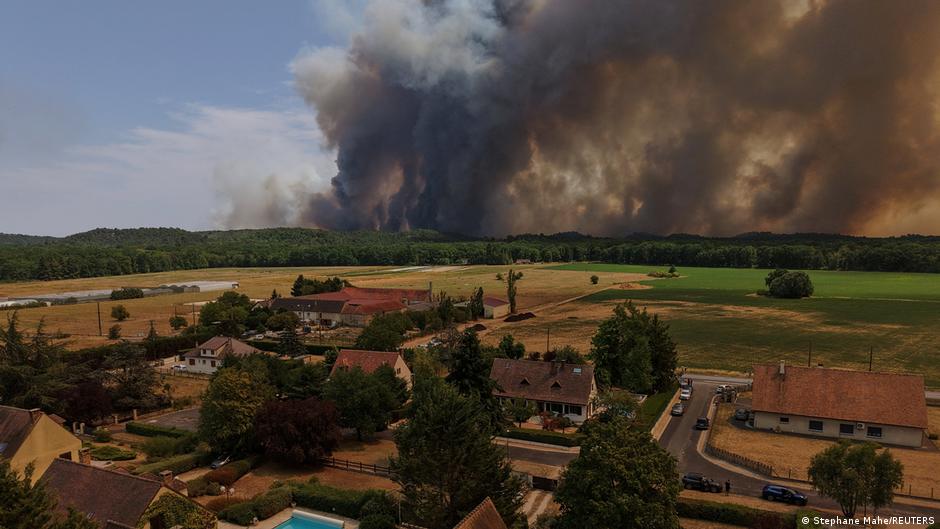
The recent wildfire in the Fontainebleau forest, located about 60 kilometers southeast of Paris, has not only devastated over 1,300 hectares of woodland but also triggered the evacuation of nearly 1,000 residents. Authorities have detained two suspects on suspicion of either deliberate or accidental arson, underscoring the increasing human and environmental toll of climate-related disasters on communities and their finances.
Impact on Households and Regional Infrastructure
The extensive forest fire led to the closure of several highways and necessitated the deployment of approximately 600 firefighters equipped with specialized aircraft, including four Canadair planes and additional Dash planes and helicopters, to conduct 187 water drops. Despite intensive efforts, the blaze persisted into the night, causing prolonged disruption and raising concerns about the economic impact on local residents.
"This incident exemplifies how climate-driven events not only threaten lives and property but also strain household budgets through evacuation costs, property damage, and increased insurance premiums," said a regional climate risk analyst.
The ongoing third heatwave in France this year has worsened conditions, with wildfires affecting around 32,000 hectares nationwide—a figure double that of the previous year. Authorities have arrested 59 individuals suspected of causing fires through negligence or arson, highlighting both environmental and social challenges.
For everyday consumers, such disasters translate into immediate and long-term financial pressures. Evacuations often entail unplanned expenses for temporary housing and essentials, while property damage can lead to higher insurance rates. Additionally, disrupted transport routes and public services can affect employment and local business revenues.
Moreover, the broader implications of climate change, such as record-breaking temperatures recorded by the European Copernicus Climate Change Service in June 2026, amplify the frequency and intensity of such wildfires. This trend threatens to increase the volatility of regional economies, urging households and investors to reconsider risk management and savings strategies.
Consumers and investors should monitor climate risk reports and consider diversification in assets and emergency preparedness funds to mitigate potential losses from escalating natural disasters.