Rising Military Service Refusals in Germany Could Impact Household Finances and Savings
Sharp increase in German military service refusals signals potential economic and financial implications for families and investors.
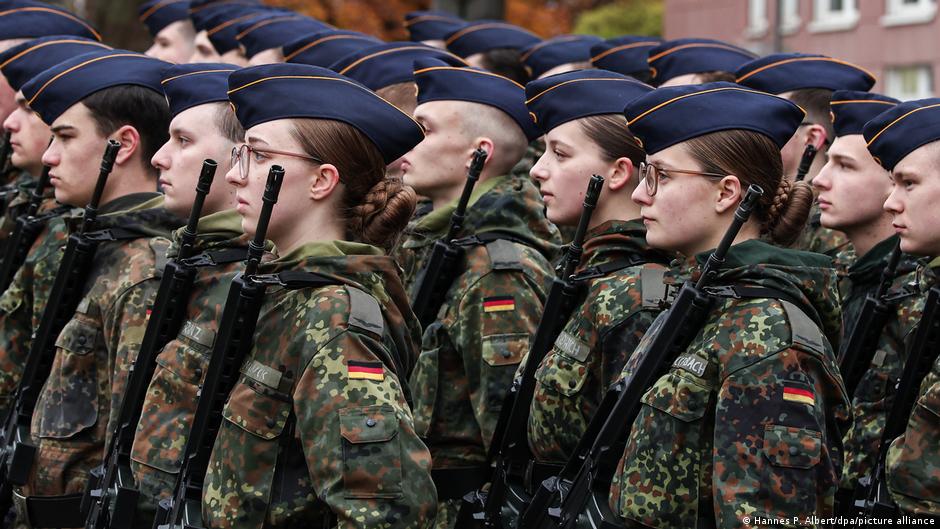
Germany is experiencing a significant surge in refusals to perform military service, with 5,862 applications filed in the first half of this year alone. This number marks a stark rise compared to 3,867 refusals recorded throughout 2025 and 2,998 in 2024. The trend reflects growing concerns over the security environment and recent changes to conscription laws affecting household budgeting and financial planning.
Implications for German Families and Personal Finances
The increased reluctance to engage in military service comes amid legislative reforms set to reshape the Bundeswehr's recruitment process. From July 1, 2027, all 18-year-old males will undergo mandatory medical examinations to assess fitness for military duty, regardless of their willingness to serve. While compulsory conscription was suspended in 2011, the law remains in place, and parliament may reinstate a partial draft system if voluntary enlistments fail to meet targets.
"The rise in military service refusals reflects broader societal and economic tensions that could influence household budgets and savings priorities," said a defense analyst.
By 2035, Germany plans to increase active military personnel from 186,000 to 260,000, a move that may necessitate increased government spending on defense resources and potentially affect public finances. For households, this could translate into shifts in taxation or social spending priorities that influence disposable income and saving capacities.
Moreover, the uncertainty around conscription policies and military obligations could have ripple effects on currency stability and investment decisions. Households and everyday investors might adjust their portfolios in response to perceived risks or government fiscal adjustments stemming from defense spending increases.
Importantly, the right to conscientious objection remains protected under Germany’s Basic Law, allowing individuals to refuse armed service on ethical grounds. The growing number of service refusal applications includes not only new conscripts but also reservists and active military personnel, indicating broad-based hesitation.
Interestingly, there are also cases of individuals retracting their previous refusals. In 2026, 781 applicants withdrew their refusal statements, with 233 doing so in the first quarter of 2027, signaling a complex and fluid attitude towards military service within the population.
For financial planners and consumers, understanding these shifts is critical. The potential reinstatement of mandatory service and related policy changes may affect employment stability for young adults, influence government fiscal policies, and create new variables for personal financial risk management.
As Germany navigates this evolving military landscape, households and investors should monitor developments closely to anticipate impacts on currency markets, savings rates, and personal finance strategies.