US President Trump Comments on Ukraine War Impact Amid Rising Global Economic Concerns
Trump praises Ukraine’s Zelensky while reflecting on human toll and international tensions affecting markets and currencies.
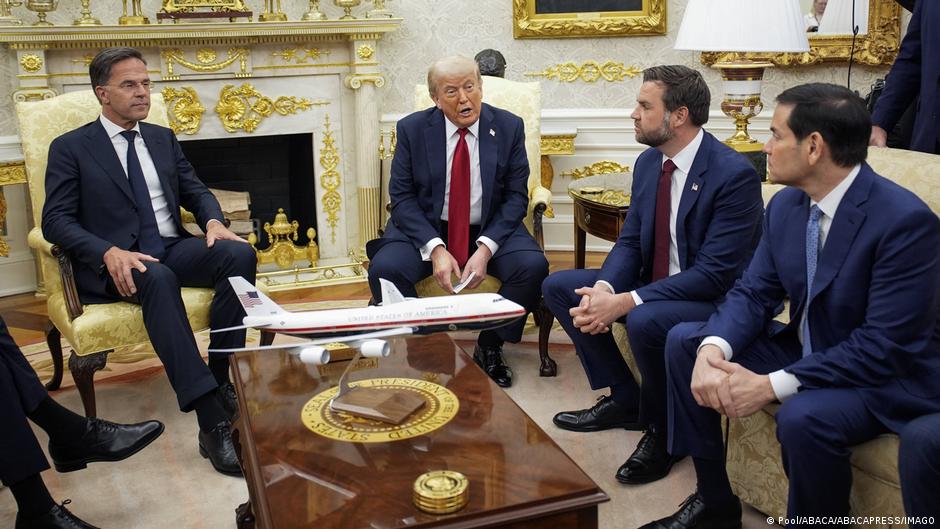
US President Donald Trump recently expressed cautious approval of Ukrainian President Volodymyr Zelensky's handling of the ongoing conflict with Russia, highlighting the significant human losses on both sides. This conflict continues to reverberate beyond the battlefield, influencing household budgets, savings, and currency markets worldwide.
War’s Ripple Effect on Personal Finances and Currencies
During a press conference at the White House on June 24, Trump noted that while many lives are lost, Zelensky appears to be managing the situation "fairly well." This statement comes amid prolonged hostilities that have not only caused immense humanitarian issues but also disrupted global economic stability.
"At least he’s holding on," Trump said, emphasizing the resilience of Ukraine amidst heavy casualties on both sides.
For everyday consumers and investors, the ongoing war has contributed to inflationary pressures, especially in energy and food prices. Many households in Europe and beyond are feeling the pinch as higher costs strain monthly budgets, forcing changes in spending and saving habits. Additionally, currency volatility—particularly in the Ukrainian hryvnia and Russian ruble—has complicated financial planning for individuals and businesses connected to these economies.
Trump’s remarks came alongside his criticism of European allies, notably Germany, for their diplomatic stance and alleged reluctance to support US and Israeli efforts against Iran. He lamented the financial implications, noting the substantial US investments in military deployments across Germany and other European countries, which further complicate transatlantic relations and economic conditions.
These geopolitical tensions not only influence government policies but also affect investor confidence and currency exchange rates, with ripple effects on portfolios and retirement savings. Household investors are increasingly cautious as market unpredictability grows amid prolonged conflicts and political disagreements.
Sanctions and Economic Pressure: What It Means for Consumers
The US and G7 countries recently intensified sanctions on Russia, aiming to pressure Moscow into ending hostilities. While such measures have strategic importance, they also contribute to global supply chain disruptions, impacting the availability and cost of goods. Consumers worldwide face higher prices on commodities, transportation, and everyday products, tightening household budgets.
President Zelensky has publicly stated that with adequate support from the G7, Ukraine could create conditions that would compel Russia to seek peace. Though details remain vague, the prospect of an end to conflict offers a measure of hope for stabilizing economies and easing financial stresses on families and investors.
In the meantime, personal finance advisors urge consumers to plan for ongoing volatility by maintaining emergency savings, diversifying investments, and monitoring currency fluctuations, especially for those with ties to Eastern European markets.
As the situation evolves, the intersection of geopolitical conflict and economic realities remains a critical consideration for everyday individuals managing their finances amidst uncertainty.