Russian Attacks in Ukraine Cause Civilian Casualties and Infrastructure Damage, Impacting Household Budgets
Recent Russian strikes in Ukrainian regions result in fatalities and injuries, disrupting civilian life and adding financial strain on local households.
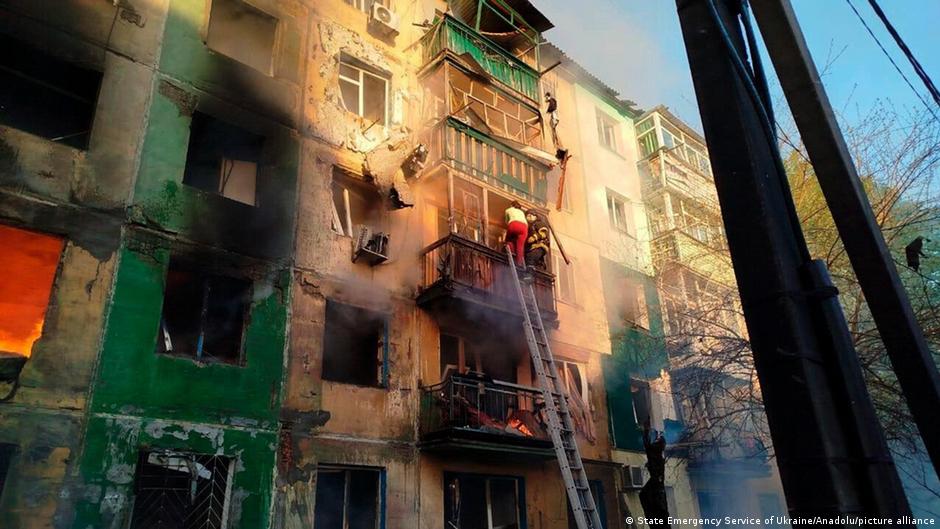
Russian military attacks across several Ukrainian regions on August 8 have resulted in at least four civilian deaths and multiple injuries, further destabilizing the affected communities and exacerbating financial challenges for local households.
Impact on Civilian Life and Local Infrastructure
In the Dnipropetrovsk region, two people were killed and two others wounded during more than 40 enemy attacks involving drones, artillery, and air bombs. According to the regional military administration head, Alexander Ganja, the strikes damaged a medical clinic, administrative buildings, shops, private homes, as well as destroyed a bus and a truck.
The city of Pavlohrad was hit particularly hard, with nine wounded, including four children aged from three months to six years. Medical facilities provided necessary care, though one 58-year-old woman remains in critical condition. The continuing attacks pose not only a threat to lives but also to the stability of household resources as families face medical expenses and property damage.
In Kharkiv region, two fatalities were reported: a 68-year-old man killed by a drone strike in Kupiansk district and a 51-year-old man in Vasylivka village. Additionally, a drone attack damaged a city cemetery, destroying graves and a gas pipeline, which can lead to costly repairs and disrupt utility services for residents.
An air bomb strike in the city of Izium injured five people and damaged four apartment buildings and ten vehicles. The victims range in age from 18 to 87, highlighting the indiscriminate impact of the attacks on everyday citizens. The damage to residential buildings and cars imposes direct financial burdens on families already struggling amid ongoing conflict.
"More than 40 attacks in Dnipropetrovsk alone have damaged critical infrastructure and homes, threatening both lives and livelihoods," said Alexander Ganja, head of the regional military administration.
In Sumy region, drone attacks targeted a train locomotive on the Sumy-Kyiv route, damaging one wagon but thankfully causing no injuries due to timely evacuation. Such disruptions to transportation infrastructure hinder mobility and access to work, healthcare, and markets—key components of household economic stability.
Financial Strains on Households and Investors
The ongoing violence places additional financial pressure on civilians, who must cope with medical costs, emergency repairs, and potential loss of income. With damaged infrastructure and disrupted services, families may deplete savings or incur debt, affecting their long-term financial security.
Furthermore, regional instability impacts the local currency and investor confidence. Economic disruptions from conflict often lead to currency depreciation and volatile markets, affecting everyday investors and consumers alike. Inflation and reduced purchasing power can erode household budgets, making it harder for Ukrainians to afford basic goods and services.
As attacks continue from eastern and northern fronts, the uncertainty remains elevated, underscoring the need for financial resilience strategies among households and investors. Awareness of these risks is critical for personal financial planning during periods of conflict.