Council of Europe Criticizes Georgia’s Democratic Backsliding Amid Political Turmoil
PACE resolution urges Georgian authorities to halt opposition repression and repeal restrictive laws, impacting economic stability and investor confidence.
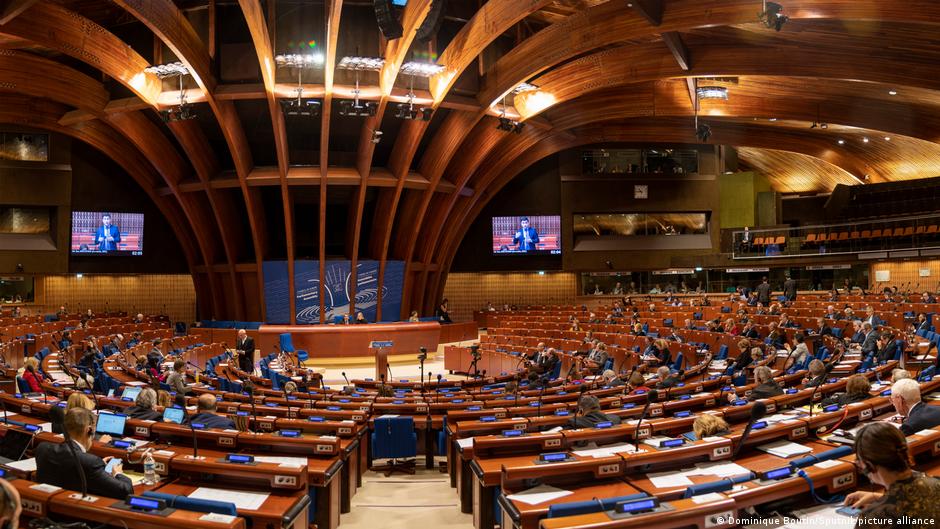
The Parliamentary Assembly of the Council of Europe (PACE) adopted a resolution on June 24 expressing serious concerns about the erosion of democratic standards in Georgia. The resolution calls on Georgian authorities to cease the persecution of opposition figures, repeal a series of repressive laws, and ensure conditions for free and fair elections.
With 83 votes in favor, 5 against, and 4 abstentions, PACE underscored the ongoing democratic backsliding characterized by the suppression of civil society, political opposition, and dissenting voices. This development has significant implications beyond political freedoms, as it threatens economic stability and investor confidence in the country.
Economic and Financial Implications for Households and Investors
Political instability and diminishing democratic governance in Georgia risk undermining the country’s economic environment. For everyday consumers and investors, this translates into increased uncertainty in currency markets, potential capital flight, and a volatile investment climate. The repression of opposition and civil society can deter foreign direct investment and slow down economic reforms necessary for sustainable growth.
"PACE calls on Georgian authorities to repeal repressive legislation and ensure conditions for free and democratic elections to restore trust and stability," the resolution states.
For Georgian households, unstable political conditions can impact savings and spending power. Currency fluctuations driven by political uncertainty may erode the value of savings held in local lari, while inflationary pressures might arise from disrupted trade and investment. Moreover, domestic investors and small business owners could face heightened risks related to unpredictable regulatory environments and governance challenges.
The resolution also highlights concerns over education reforms affecting academic freedom and transnational pressures on journalists, indicating a broader clampdown on freedoms that underpin a resilient economy. Ensuring transparency and rule of law is crucial for attracting and maintaining investor trust.
Georgian parliamentary speaker Shalva Papuashvili criticized the resolution, labeling it "anti-Georgian" and accusing international bodies of undermining the country’s sovereignty. He contested the legitimacy of calls for new elections, asserting the elected ruling party represents the will of the Georgian people. This political discord adds to the uncertainty faced by the economic sector.
Looking ahead, the PACE resolution urges adherence to European Court of Human Rights decisions and OSCE recommendations and stresses the need for dialogue aimed at restoring democratic principles. Stabilizing the political landscape is essential not only for governance but also for safeguarding economic wellbeing and protecting the interests of consumers and investors in Georgia.
As Georgia navigates this complex political moment, households and investors should remain vigilant to the evolving risks in currency value, investment returns, and overall economic conditions shaped by the democratic framework.