Russian State Duma Revises Fuel Price Dampening Mechanism to Stabilize Household Budgets
New amendments aim to curb fuel price volatility, impacting consumer expenses and fuel supply stability across Russia.
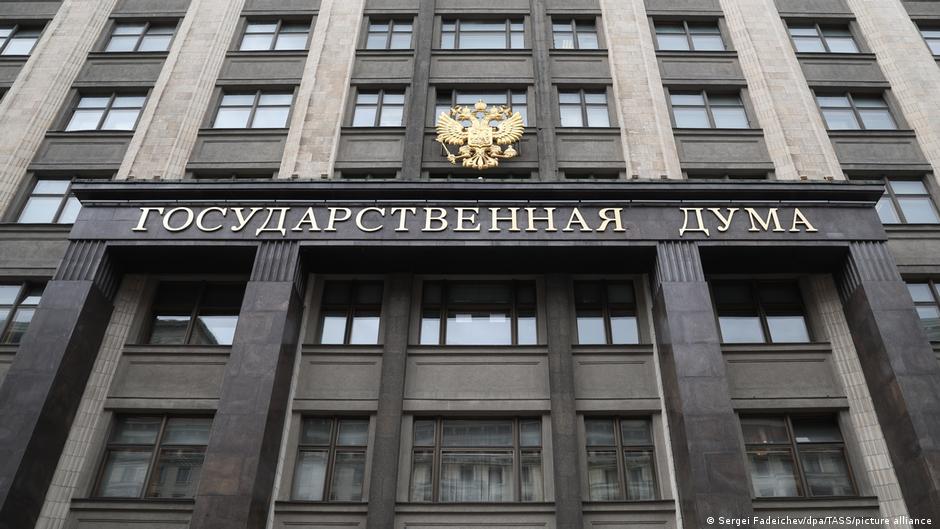
The Russian State Duma has approved a set of amendments to the Tax Code designed to stabilize fuel prices amid ongoing market fluctuations. These legislative changes focus on adjusting the "fuel damping" system, which provides government compensation to oil companies to mitigate the rise of domestic fuel prices.
Impact on Consumer Fuel Costs and Market Stability
The fuel damping mechanism compensates oil producers for part of their costs when supplying fuel to the Russian market, helping to keep prices in check. The recent amendments intend to expand the types of fuel deliveries included in the mandatory minimum sales quotas on the commodity exchange, now allowing certain off-exchange sales to be counted under government-defined conditions.
"This approach will help maintain fuel supplies to critical sectors such as agriculture without breaching mandatory sales volume requirements," noted Deputy Finance Minister Alexey Sazanov, highlighting the importance of supporting farming operations through direct fuel supply contracts.
Additionally, the legislation introduces compensation payments for imported diesel fuel starting from July 2026 through July 2027, mirroring existing provisions for gasoline. This move aims to ease cost pressures on importers when import prices exceed domestic wholesale fuel prices, with payouts tied to periods when export restrictions on diesel and aviation kerosene are in place.
Import compensations will be calculated using Indian market prices as a benchmark, given India's role as a significant global exporter of petroleum products, supplying approximately 6% of worldwide seaborne fuel shipments. Special preferential terms have been established for fuel imports from Belarus, with higher compensation coefficients to incentivize such trade.
Broader Implications for Household Budgets and Savings
Fuel prices have a direct and indirect bearing on household budgets in Russia. Stable fuel costs help contain increases in transportation expenses, goods pricing, and inflation, thereby safeguarding consumers' purchasing power and savings. The government's regulatory adjustments follow earlier measures, including reduced mandatory gasoline sales quotas on exchanges and export limits for petroleum products, all aimed at boosting domestic fuel availability.
Russian Deputy Prime Minister Alexander Novak emphasized that these steps are already delivering results by augmenting production volumes, enabling more imports, and postponing refinery maintenance schedules to ensure continuous supply. This is particularly crucial following disruptions caused by drone attacks on major refineries in spring and summer 2026, which had temporarily cut processing capacity by around 25%, affecting supplies of gasoline and diesel fuel.
For everyday investors and consumers, the stabilization of fuel prices reduces volatility risks in energy-related sectors and may contribute to steadier inflation rates. This, in turn, supports more predictable household expenditure planning and preserves value in savings denominated in the Russian ruble, which can be sensitive to shifts in commodity prices.
As the effects of these legislative changes become apparent in the coming weeks, Russian consumers may experience a moderation in fuel price spikes, translating into eased pressure on their budgets and a more stable economic environment.