Canada's Purchase of German Submarines Signals Major Defense and Economic Partnership
Canada's contract with German TKMS for non-nuclear submarines impacts transatlantic industrial cooperation and has implications for household economies and investors.
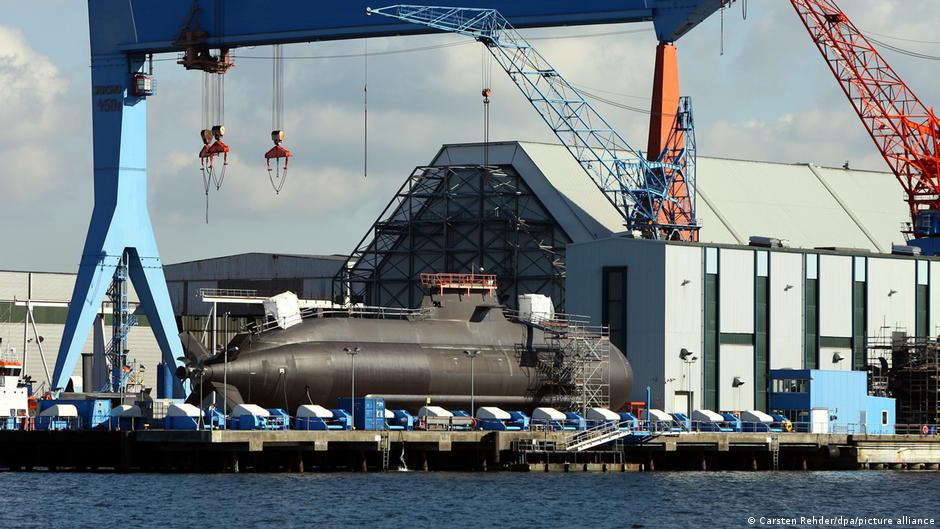
In a significant move reflecting growing transatlantic defense collaboration, Canada has chosen the German shipbuilding firm TKMS to supply up to 12 new non-nuclear submarines. This decision not only marks a milestone in NATO's strategic presence in the Arctic and North Atlantic but also carries important economic consequences for consumers, investors, and currency markets.
Economic and Consumer Implications of the Submarine Deal
The contract, valued at approximately 100 billion euros over the lifecycle of the submarines including maintenance and operations, represents a massive investment with ripple effects beyond defense sectors. The German Chancellor Friedrich Merz hailed the decision as a "powerful signal" of European and transatlantic partnership ahead of the NATO summit, underscoring the geopolitical weight of the deal.
From a personal finance perspective, such large-scale military procurement often influences currency valuations and government spending priorities, which can trickle down to household budgets and savings. The strengthening of the euro through increased exports and industrial activity could impact exchange rates, affecting Canadians and Europeans who travel abroad or hold foreign investments.
"Together we will build the largest and most advanced fleet of non-nuclear submarines in the world," said German Defence Minister Boris Pistorius, highlighting the strategic and industrial scope of the venture.
For everyday investors, the contract boosts the profile of TKMS and its associated supply chains, potentially affecting stock valuations and encouraging investment in defense-related industries. Moreover, the industrial collaboration between Germany, Norway, and Canada may lead to technology transfers and job creation, supporting economic growth that indirectly benefits individual financial health.
However, taxpayers in all involved countries may eventually bear some cost of this enormous procurement through government debt or budget allocations, which could constrain public spending in other areas, including social services and infrastructure. Savers should watch for shifts in fiscal policy and currency markets that could influence interest rates and inflation.
As Canada and its European partners embark on this extensive defense initiative, the intersection of geopolitics and economics illustrates how international security decisions can extend their influence into the daily financial lives of households and investors.
With the submarines intended to operate in sensitive regions like the Arctic and North Atlantic, the deal also emphasizes the strategic importance of northern Europe and North America’s northern frontiers, which have growing economic and environmental significance.