US Military Strikes on Iran Raise Concerns for Global Oil Prices and Household Budgets
Renewed US-Iran tensions and sanctions threaten to disrupt energy markets and impact consumer expenses worldwide.
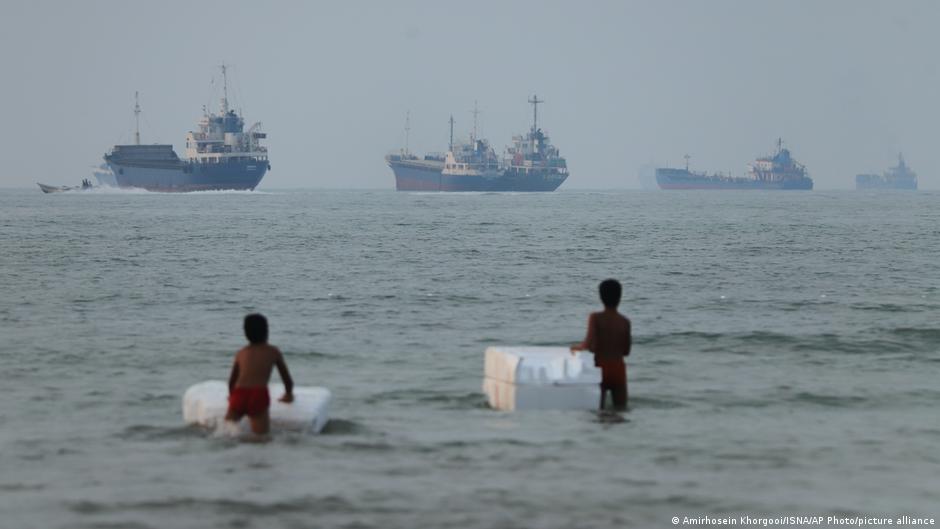
Recent US military strikes on Iranian targets have intensified geopolitical tensions in the strategic Strait of Hormuz, a crucial global oil transit route. The escalation follows Iranian attacks on three commercial vessels, prompting the US to respond with targeted operations aimed at degrading Iran's military capabilities.
Impact on Energy Markets and Consumers
The Strait of Hormuz is vital for the transit of around a fifth of the world's oil exports. Disruptions in this area often trigger volatility in global energy prices, which directly affects household budgets and inflation rates worldwide. American strikes, coupled with the reimposition of US sanctions on Iranian oil exports, are likely to tighten global oil supply, pushing prices higher.
Higher energy prices translate into increased costs for fuel, heating, and electricity for consumers and businesses. This, in turn, can reduce disposable incomes and increase the cost of goods and services, straining household finances. Everyday investors may also see heightened market volatility, impacting investment portfolios and retirement savings.
"The demonstrated aggression by Iran was unjustified and jeopardizes the fragile stability of global energy supplies," stated US Central Command, highlighting the broader economic risks of regional conflict.
The US attacks targeted Iranian air defense systems, communication networks, coastal radar installations, and over 60 vessels operated by the Islamic Revolutionary Guard Corps. These measures aim to deter further aggression but risk provoking retaliatory actions that could further disrupt maritime trade routes.
Adding to the complexity, recent incidents include damage to a Qatari liquefied gas tanker and other vessels reportedly struck by drone or missile attacks in the Gulf region. Such developments underscore the vulnerability of maritime commerce near Iran.
Meanwhile, Iran criticizes the US for violating ceasefire agreements by reapplying sanctions and carrying out military strikes. Tehran insists on securing its national interests and controlling passage through the Strait of Hormuz, demanding fees from vessels and restricting navigation to routes it deems safe.
Efforts to establish a multinational naval mission involving NATO and Gulf states aim to ensure safe passage and de-escalate tensions. However, Iran's reluctance to participate hinders progress toward stability and safety assurances for commercial shipping.
The ongoing diplomatic stalemate over Iran's nuclear program, US troop presence in neighboring countries, and maritime security further complicates prospects for a peaceful resolution. Without significant breakthroughs, the risk remains that heightened conflict will continue to squeeze global energy supplies, intensify market uncertainty, and increase costs for consumers worldwide.
For households and investors, monitoring developments in the Gulf region is critical, as fluctuations in oil prices and geopolitical risk factors can quickly translate into higher fuel bills, inflationary pressures, and stock market instability.