Russia Closes Azov-Don Canal After Drone Attacks, Impacting Grain Exports and Prices
Closure of key shipping route following drone assaults raises concerns for household budgets and commodity markets.
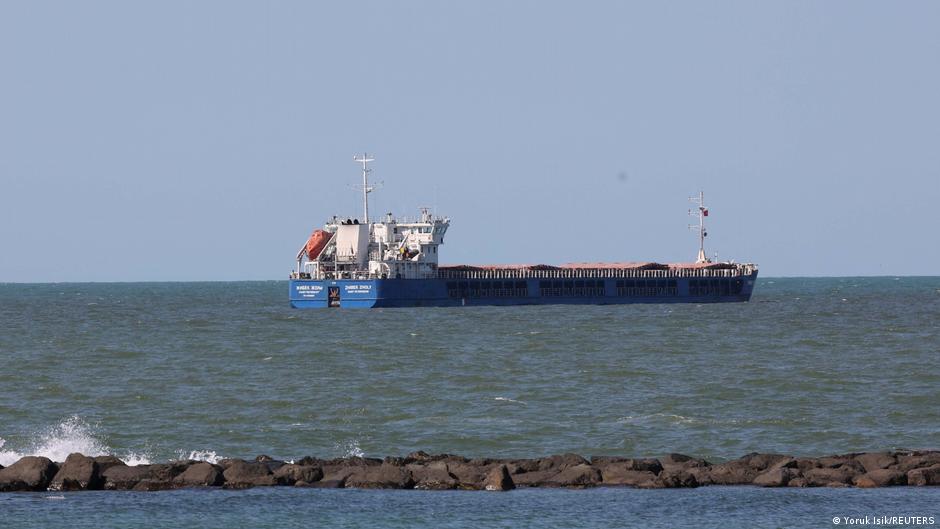
Russia has indefinitely closed the Azov-Don Canal, a critical maritime route linking the Don River to the Sea of Azov, following a series of Ukrainian drone attacks on vessels in the area. This move has significant implications for grain exports, commodity prices, and consumer costs both within Russia and internationally.
Shipping Disruptions and Regional Impact
The Russian Border Service, operating under the Federal Security Service (FSB), notified shipping companies that vessel passage through the canal is suspended indefinitely. Sources also indicate that passage through the Kerch Strait, connecting the Black Sea and the Sea of Azov, has been temporarily halted, further constraining maritime traffic in the region.
The closure follows a large-scale drone offensive by Ukrainian armed forces targeting at least 25 ships in the Sea of Azov, including oil tankers and dry cargo vessels. Many of the tankers attacked are reported to be part of Russia's 'shadow fleet'—vessels under international sanctions due to the ongoing conflict in Ukraine.
"The attacks have escalated tensions and disrupted vital shipping lanes, leading to an indefinite shutdown of the Azov-Don Canal," said an industry source.
Russian authorities have not provided official explanations for the closures, and government agencies responsible for agriculture and transport have remained silent on the matter.
Consequences for Grain Exports and Consumer Prices
The Azov Sea coastline includes Russia's key grain-producing regions, such as Rostov and Krasnodar, making this canal an essential artery for agricultural exports. The blockage of these waterways threatens to disrupt shipments of wheat and other commodities, potentially affecting global supply chains.
Following reports of the drone attacks and shipping suspensions, wheat prices on the Euronext exchange surged by over 4% within 24 hours, marking the highest level in six weeks. Such price volatility can trickle down to consumer expenses, increasing the cost of food staples and affecting household budgets.
For everyday consumers, these developments may translate into higher grocery prices and increased inflationary pressures. Households that rely on stable food supplies could face tighter budgets, while small investors and commodity traders may encounter greater market uncertainty.
Broader Financial and Currency Implications
The disruption of export routes could also influence currency stability and savings. Reduced foreign currency inflows from agricultural exports might weaken the Russian ruble, impacting purchasing power. Conversely, increased commodity prices might offer some support to currency valuations but at the cost of higher consumer price inflation.
Investors in commodity markets and related sectors should closely monitor the situation, as supply chain interruptions could lead to increased volatility and risk premiums.
In summary, the closure of the Azov-Don Canal amid escalating drone attacks presents a multi-faceted challenge, affecting not only Russia's export capabilities but also the broader economic landscape, including household finances and investment climates.