Fuel Shortages and Refinery Attacks in Russia Impact Household Budgets and Consumer Prices
Shutdown of Saratov oil refinery amid drone strikes exacerbates fuel scarcity affecting millions of Russian consumers.
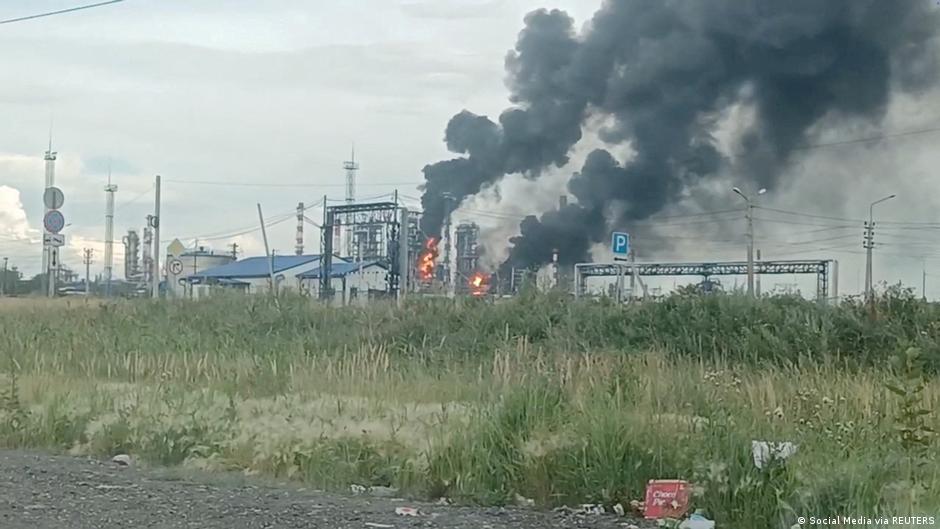
Russia is facing intensified fuel shortages as the Saratov oil refinery has halted operations indefinitely following damage from recent Ukrainian drone strikes. This disruption comes amid ongoing challenges to the country’s energy infrastructure and has significant implications for household budgets and consumer fuel prices across Russia.
Refinery Shutdowns and Fuel Supply Impact
The Saratov oil refinery, which processed up to 20,000 tons of crude oil daily through its primary distillation unit (CDU-6), sustained critical damage after an attack by Ukrainian unmanned aerial vehicles. This facility was the only one of its kind at the plant, and its incapacitation has forced a complete suspension of refinery operations.
"The closure of major refineries like Saratov is driving a fuel supply deficit that now affects about 35% of Russia's population," industry analysts warn.
Governor Roman Busargin confirmed damage to civilian infrastructure but refrained from detailing the extent of the refinery's damage. Meanwhile, Ukraine’s General Staff reported the strike targeted the Rosneft-owned Saratov refinery, which has been repeatedly attacked since the conflict escalated.
In the first half of 2026 alone, at least 13 Russian refineries have been partially or fully shut down due to similar attacks, reducing Russia’s refining capacity by approximately 25%, and cutting gasoline and diesel production by nearly 30%. The shutdown of the Kapotnya refinery near Moscow is expected to last until at least December, indicating prolonged strain on fuel supplies.
Consequences for Consumers and the Broader Economy
Fuel scarcity is reaching millions of Russian consumers. According to estimates, around 50 million people — about 35% of the population — are affected by the gasoline shortage at the start of July. Regional authorities have introduced gasoline sales restrictions, and states of "heightened readiness" are declared in several areas including Zabaykalsky Krai, Penza, and Irkutsk Oblast. Additionally, Russia has banned diesel fuel exports until at least July 31 to prioritize domestic supply.
These supply constraints are expected to weigh heavily on household budgets as fuel prices rise and availability declines. The shortage impacts everyday expenses such as transportation costs, heating, and goods delivery, potentially increasing inflationary pressures on consumer goods.
In response, Russian oil refining companies have ramped up operational intensity by maximizing production at functioning plants, deploying stored fuel reserves, shortening maintenance downtimes, postponing planned repairs, and utilizing smaller refineries to bridge supply gaps. Yet, these measures may only partially mitigate the impact on consumers in the short to medium term.
Financial and Investment Implications
The disruptions to refining capacity also pose risks to currency stability and investor confidence. Reduced fuel production can strain Russia’s export revenues, limit cash flow for state-owned enterprises like Rosneft, and prompt volatility in the ruble’s exchange rate. Everyday investors may see increased uncertainty in energy sector stocks and potential shifts in government policies aimed at stabilizing fuel markets.
Consumers and investors alike should prepare for continued volatility in fuel availability and pricing as geopolitical tensions and retaliatory strikes persist.
Overall, the cascading effects of refinery attacks are not limited to energy production but extend directly into the financial wellbeing of millions of Russian households, reshaping the landscape for personal finance and consumer spending in the near term.