US Military Strikes on Iran Raise Concerns Over Oil Prices and Global Trade Costs
Renewed US-Iran tensions threaten shipping through the Strait of Hormuz, affecting household energy costs and investor markets worldwide.
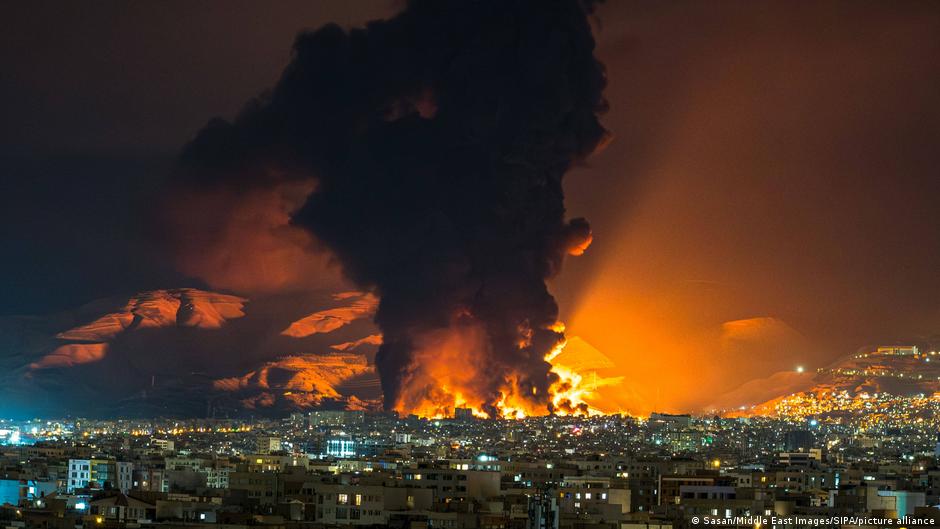
The recent escalation of military actions by the United States against Iran has immediate implications far beyond geopolitics, reaching deeply into personal finances, global energy markets, and everyday investors’ portfolios.
Impact on Oil Prices and Household Budgets
The US launched a new series of strikes targeting Iranian military installations and vessels in response to alleged Iranian attacks on commercial shipping in the strategically critical Strait of Hormuz. This waterway accounts for a significant share of global oil shipments, and any disruption has a ripple effect on international oil prices.
Following the military strikes and renewed sanctions on Iranian oil imports, crude prices could experience heightened volatility. For consumers, this often translates to increased gasoline and heating fuel costs, intensifying pressures on household budgets worldwide. Higher energy expenses reduce disposable income and can slow economic growth, making everyday financial planning more challenging.
Currency Volatility and Investor Concerns
In addition, the geopolitical tensions have triggered market unease. Investors often react to conflicts like these by shifting assets into safe-haven currencies such as the US dollar and gold, while emerging market currencies linked to oil exports may weaken. This currency volatility can affect import prices and inflation rates in various countries, which in turn influences the cost of living for consumers.
"The displayed aggression in the Strait of Hormuz is not just a regional issue; it threatens the stability of global energy supply chains," said an energy market analyst. "Investors should be prepared for fluctuations in energy and currency markets that could impact retirement savings and investment portfolios."
Shipping Disruptions and Trade Costs
The Strait of Hormuz serves as a vital artery for international maritime trade, particularly energy commodities. Despite assurances from leadership that the passage remains open, reports indicate that navigational routes are limited due to security concerns and undeclared minefields. Reduced shipping capacity leads to higher freight costs, which can increase the prices of imported goods and raw materials.
For consumers, this means that everyday items, from electronics to food products, could become more expensive as companies pass on higher transportation costs. The cumulative effect strains personal finances, especially for households already grappling with inflation.
Long-Term Economic Implications
The ongoing US-Iran standoff, including the breakdown of previous agreements on maritime security and nuclear programs, suggests a prolonged period of uncertainty. This environment complicates financial forecasting and increases risk for businesses and consumers alike.
Households are advised to monitor energy prices and consider strategies to mitigate the impact, such as energy efficiency measures or adjustments to spending habits. Meanwhile, investors may want to diversify portfolios to hedge against volatility arising from geopolitical developments.
As the situation evolves, the intersection of military conflict and economic stability serves as a stark reminder that global affairs can have tangible effects on everyday finances, from the gas pump to the grocery store and investment accounts.