US Plans to Remove Syria from Terrorism Sponsors List: Implications for Investors and Currency Markets
Lifting US sanctions on Syria could open investment opportunities and affect currency stability, influencing household finances and savings.
The recent announcement by the United States to remove Syria from the list of state sponsors of terrorism signals a potential shift in economic and investment landscapes, with direct implications for personal finance, household budgets, and currency markets.
Economic Reopening and Investment Prospects
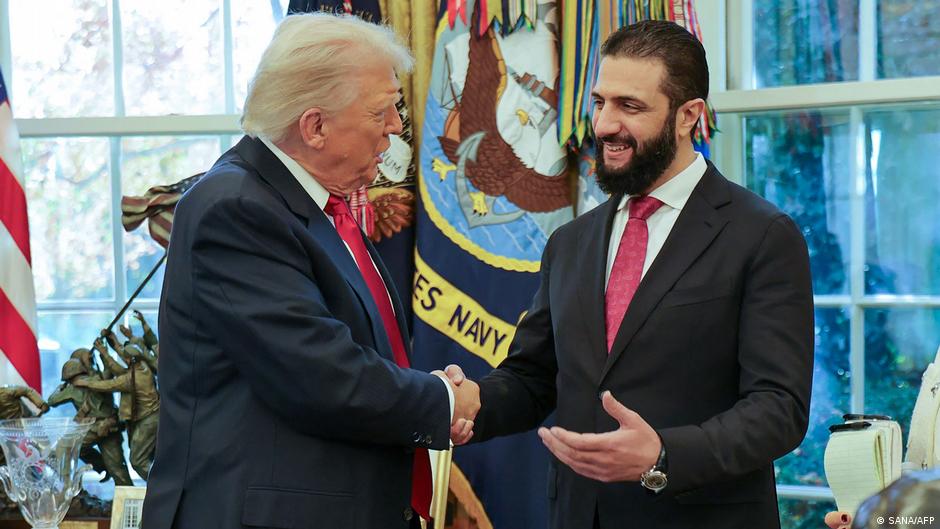
US President Donald Trump conveyed his intention in a letter to Syria's interim president Ahmed al-Sharaa to exclude Syria from the terrorism sponsors list. This move follows previous steps, including the lifting of American sanctions against Syria and a series of high-level meetings between US and Syrian officials.
Being designated as a state sponsor of terrorism has long restricted Syria’s access to foreign aid, arms exports, and crucial financial transactions. Removing Syria from this list could pave the way for a surge in investment, with American and Saudi companies reportedly ready to participate in the country’s reconstruction efforts. For consumer economies and investors, this means new opportunities and risks as capital starts flowing into Syrian markets.
"We have American companies ready to invest in Syria and help make your country greater and more prosperous than ever," Trump wrote, emphasizing the economic potential. For everyday investors, this could translate into emerging market exposure through various financial instruments linked to Syria’s rebuilding process.
Impact on Currency and Household Budgets
The reintegration of Syria into the global economy may affect the Syrian pound’s value and stability. Historically, political sanctions and conflict have caused significant currency volatility, leading to inflationary pressures that reduce purchasing power for ordinary families. The anticipated economic normalization might stabilize the currency, lower inflation risks, and improve consumer confidence.
For households in Syria and internationally, a stable currency environment is crucial. Inflation directly impacts everyday expenses such as food, energy, and healthcare. Conversely, volatility can erode savings and reduce real income, straining budgets.
"Removing sanctions and opening investment channels could restore economic growth, benefiting not only large investors but also the purchasing power of Syrian households," financial analysts suggest.
Risks and Considerations for Investors
While the lifting of sanctions invites investment, it also presents uncertainties due to ongoing regional security concerns. The US military withdrawal, confirmed by the transfer of military bases back to Syrian authorities, marks a strategic shift that investors must monitor closely. The continuation of US-led anti-terror operations aims to maintain regional stability, but investors should remain cautious given the potential for geopolitical volatility.
For personal finance advisors and consumers considering international investment exposure, Syria’s evolving situation offers a case study in the risks and rewards of emerging markets affected by political decisions. Diversification and thorough risk assessment will be key strategies.
Conclusion
The US decision to exclude Syria from the terrorism sponsors list and lift sanctions opens new economic avenues with tangible effects on household finances, currency markets, and everyday investors. While reconstruction promises growth and improved currency stability, the political backdrop requires prudent financial planning and awareness of risks.